National First Responders Day recognizes the paramedics, EMTs, firefighters, police officers, 911 operators, and others who are first on scene in emergencies. Congress designated October 28 as National First Responders Day in 2017 (source). Early childhood programs can use this observance to teach children about community roles, gratitude, and basic safety skills while also strengthening staff preparedness. Consider linking classroom activities with staff training such as First Aid & CPR — Blended Buy Now $85.00$80.00 and Pediatric In-Person First Aid & CPR/AED Buy Now $95.00 so staff can model calm, competent responses in age-appropriate ways. The suggestions below are written for child care professionals planning activities for infants through school-age and include practical precautions and program-level steps. See related ChildCareEd guides for sample lessons, checklists, and drills: First Aid and CPR: An Investment in Community Safety, First Aid & CPR — Empowerment Through Lifesaving Skills, Be the Difference: Why First Aid & CPR Training Should Be Mandatory in Every School, How can childcare centers create effective emergency preparedness plans?, How can early childhood programs be ready for emergencies?, and How do I build an effective emergency preparedness plan for my Kansas child care program?.
How can I explain who first responders are to young children?
Start with clear role descriptions and concrete props. Use photos, uniforms, and simple language to define common first responder roles (firefighter, paramedic/EMT, police officer, 911 dispatcher). Emphasize what each role does to keep people safe and healthy. For toddlers and preschoolers, short picture books and dramatic play props (helmets, badges, radios) support vocabulary and role recognition. For school-age children, add cause-and-effect discussions: what happens after we call 911, who arrives first, and why cooperation matters.
What hands-on activities help children learn about first responders?
Design activities that build empathy, procedural knowledge, and safety skills without frightening children. Examples include:
- Create a dramatic-play station stocked with pictures, helmets, clipboards, and simple medical props to rehearse helping behaviors.
- Read picture books about first responders and follow with a discussion prompt: "What would you do if..." to practice problem solving and perspective-taking.
- Practice nonmedical safety skills such as calling for help, giving a calm description of the problem, and identifying a meeting point in the center or classroom.
- Invite children to make cards or banners thanking local responders; this cultivates civic appreciation and strengthens family engagement.
For activities that teach fire safety and safe evacuation practice see How Can Child Care Programs Teach Fire Safety Effectively to Young Children?.
How can programs safely arrange visits or virtual meetings with first responders?
Live visits and virtual sessions are both valuable but require planning. Coordinate with local fire, EMS, or police public-affairs officers to schedule age-appropriate visits. Before an in-person visit, discuss boundaries: children will meet responders in uniform but should not be expected to sit in emergency vehicles or handle equipment that is unsafe. For infants and very young toddlers, prefer short, quiet introductions or virtual visits. Use a pre-visit letter to families explaining objectives and safeguards; obtain permissions where required. For guidance on running low-disruption drills and building procedural confidence, see Fire Drills, Flashlights & Fast Thinking: Why Emergency Preparedness Is a Must.
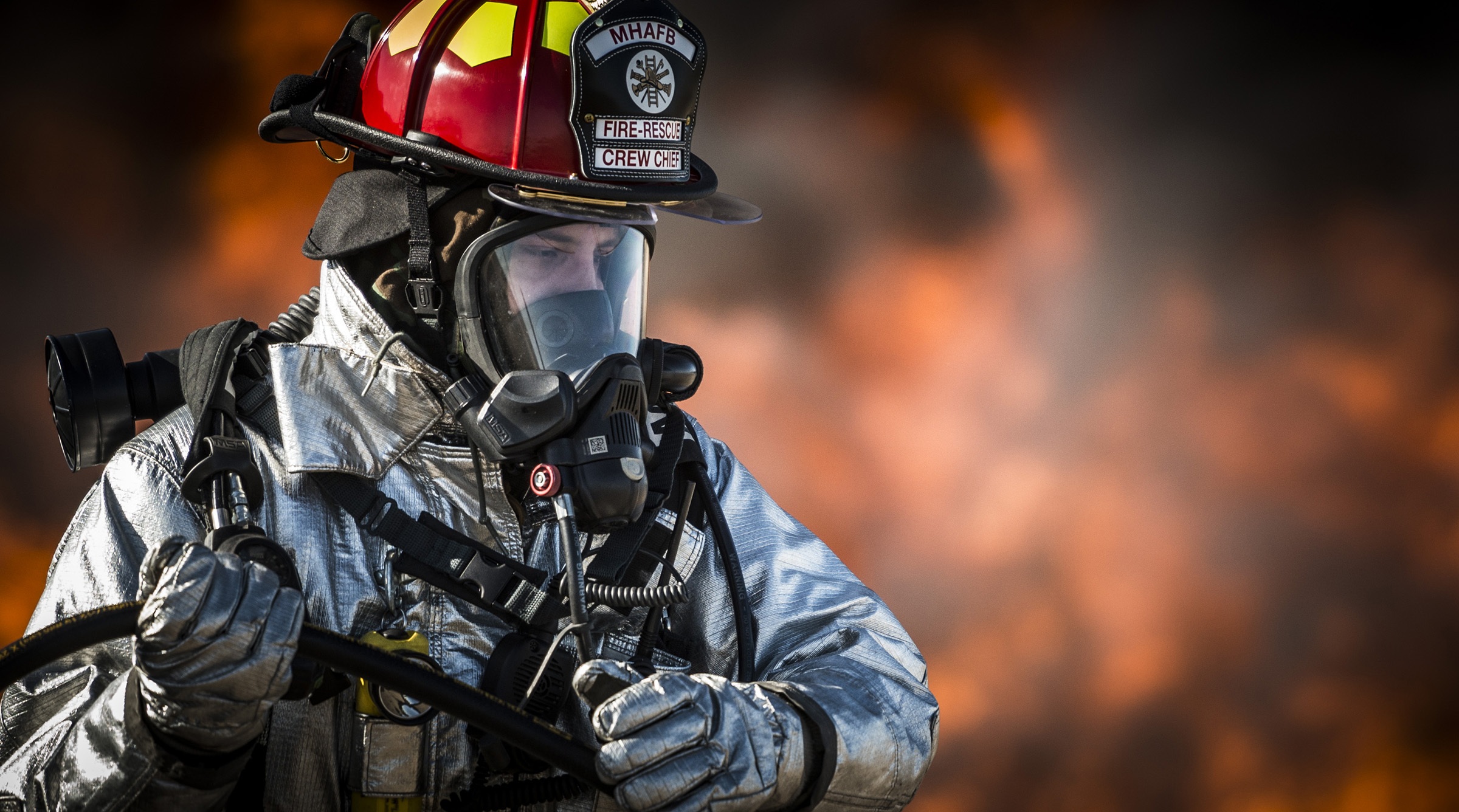 When a visit is planned, provide staff with a brief orientation: expected child behaviors, how to redirect fearful children, and key teaching points to emphasize (helping, safety, when to call for help). If services are scarce locally, record a brief virtual conversation with a responder or invite a dispatcher to explain how 911 calls are handled. Large programs can pair classroom visits with center-wide drills to reinforce calm responses and evacuation routes. See How can child care centers get ready for emergencies? for drill templates and role assignments.
Which trainings and courses help staff prepare for First Responders Day and emergencies?
Staff training improves program resilience and models calm competence for children. Relevant ChildCareEd courses include first-aid and CPR options as well as health-and-safety fundamentals: First Aid & CPR — Blended Buy Now $85.00$80.00, Pediatric In-Person First Aid & CPR/AED Buy Now $95.00, and Basic Health & Safety and Breastfeeding Awareness Buy Now $35.00. These courses cover life-saving skills, choking protocols, and the health/safety policies that many licensing agencies expect. Learn classroom-focused CPR guidance in Learn CPR and Be the Hero in a Crisis!!. Completing program-level emergency-preparedness work is also essential; see our articles on emergency planning and drills for step-by-step guidance (How can childcare centers create effective emergency preparedness plans?, How can early childhood programs be ready for emergencies?).
Additional ChildCareEd articles that support planning and training include: First Aid and CPR: An Investment in Community Safety, First Aid & CPR ~ Empowerment Through Lifesaving Skills, Be the Difference: Why First Aid & CPR Training Should Be Mandatory in Every School, How can childcare centers create effective emergency preparedness plans?, How can early childhood programs be ready for emergencies?, How do I build an effective emergency preparedness plan for my Kansas child care program?, How can I develop effective emergency leadership procedures for my childcare program?, and Emergency Preparedness in Virginia Child Care. These resources provide checklists, documentation tips, and practice scenarios to make drills more effective and less disruptive. See also How can DC early childhood classrooms stay ready with CPR and AEDs? and CPR Training: Because Glue Sticks Can’t Fix Everything!.
National observances often include public ceremonies and recognition events; for example, First Responders Children’s Foundation and local agencies host roll calls and tributes to honor responders and their families (example). Use such events as community-connection opportunities while keeping classroom activities developmentally appropriate.
How can I use National First Responders Day to build empathy and community?
Plan a small, classroom-level unit that combines knowledge, emotional literacy, and civic engagement. Pair stories and role-play with a brief, supervised service project (thank-you cards, a classroom display), and communicate to families how the activities support learning outcomes in social-emotional development and community awareness. Debrief with staff after activities to note what children learned and any follow-up supports needed for children who were anxious or confused.
What are the key takeaways and next steps?
When is National First Responders Day and how should programs plan around the observance?
National First Responders Day is observed on October 28 (Congress designated the date to honor firefighters, EMTs, police, dispatchers, and other first responders). Early childhood programs can treat the observance as a planning anchor rather than a single-event push: use the date to align classroom activities, family communications, and staff readiness without creating fear for children. Begin by setting clear goals for the day (social-emotional learning, community awareness, safety skills) and mapping which age groups will participate in which activities. Pair classroom-level learning (stories, role-play, thank-you projects) with staff-level preparation: short, role-focused briefings, a review of site-specific evacuation and medical-response roles, and confirmation that at least one staff member holds current pediatric first aid and CPR certification.
To make the day practical and sustainable, stagger activities across classrooms (reduce noise and overstimulation), post an outline for families that explains learning objectives and safeguards, and schedule any live visits for short, structured windows. If you plan a live visit or vehicle show-and-tell, coordinate in advance with public-affairs liaisons; when in doubt choose a virtual visit or a short, quiet meet-and-greet. Programs serving multiple sites can use the date to conduct a light preparedness check (confirm emergency contact lists, review meeting points, verify first-aid supplies).
For resources and sample lesson plans, see related ChildCareEd articles on making first-aid training part of program culture and on community-focused units: First Aid and CPR: An Investment in Community Safety, First Aid & CPR ~ Empowerment Through Lifesaving Skills, Be the Difference: Why First Aid & CPR Training Should Be Mandatory in Every School, How can childcare centers create effective emergency preparedness plans?, How can early childhood programs be ready for emergencies?, and Celebrate Heart Month: Learn CPR & First Aid to Protect Little Hearts. Programs that serve children in Virginia, Kansas, or Oklahoma should consult the state-specific ChildCareEd planning guidance for each state and verify any licensing-specific requirements with their state licensing specialist or the official state licensing website: Emergency Preparedness in Virginia Child Care, Effective Emergency Preparedness for Kansas Child Care, and The Daycare Crash Drill: How Oklahoma Providers Can Prepare.
This added section increases the article's practical guidance (planning steps, staff actions, family communications), and provides direct links to further ChildCareEd articles that expand on training, drills, and integration of first-aid skills into program practice.
National First Responders Day is an opportunity for early childhood programs to teach about community roles, model calm readiness, and strengthen program safety through training and planning. Pair classroom activities with staff training in first aid and health-and-safety topics, coordinate with local responder liaisons for age-appropriate visits or virtual sessions, and document plans and family communications. Use the linked ChildCareEd courses and articles above to build a measured, professional approach that centers children’s emotional safety while honoring the service of first responders.
- Adult/Child/Infant CPR AED and Adult First Aid Blended
- 45 Hour Child Growth and Development
- Basic Life Support (BLS) In-Person Healthcare Providers
- Adult Only CPR AED and Adult First Aid Blended
- Basic Life Support (BLS) Blended Healthcare Providers
- Pediatric RSV First Aid & CPR/AED
- Adult First Aid Only - Blended
- Texas Director Credential
- Are You Ready?
- National Responders Day
- Celebrating Diverse Cultures: Upcoming Holidays from Around the World
- CDA Certification en Español: Recursos y Consejos para Educadores Bilingües
- ¿Cuáles son las mejores actividades del Día de la Tierra para niños en casa o en el aula?
- ¿Cómo solicito la licencia para una guardería en California?
- Regulaciones de Licenciamiento de Cuidado Infantil en California para Centros y Hogares de Cuidado Infantil Familiar
- Cómo Celebrar el Día Nacional del Kindergarten
- Lista para Guardería en Casa en Illinois: Cómo Iniciar una Guardería en el Hogar
- Temas y Actividades para el Día Nacional del Kindergarten para Proveedores
- Cómo Trabajar en el Cuidado Infantil en California: Requisitos y Pasos
- Cómo Trabajar en el Cuidado Infantil en Virginia: Requisitos y Pasos
- What new changes are coming to childcare in Minnesota and how will they affect providers?
- Celebrando la amistad en el cuidado infantil durante el Día de los Mejores Amigos
- Diversión fresca de verano: actividades del Día Nacional del Helado para niños
- ADA Training Online in Virginia: Requirements, Access, and Inclusion
- What Are Pennsylvania's Rules for Safe Daycare Temperatures and How Do We Follow Them?
- How do I build an effective emergency preparedness plan for my Kansas child care program?
- Center Director Certification: Which Credential Does Your State Require?
- Anaphylaxis Poster for Schools: Would Staff Know What to Do in the First 60 Seconds?
