Latest Blog & News

How Can Art Become a Meaningful Part of the Early Childhood Curriculum?
09/14/2026Art can be much more than a seasonal craft: it can help young children think, communicate, collaborate, and make sense of their experiences. To strengthen your classroom practice, explore Art from the Heart for Preschoolers: Open-Ended Art Projects that Build Self-Esteem and Mind’s Medicine: M... How Can Art Become a Meaningful Part of the Early Childhood Curriculum?

How Can Child Care Providers Use Art and Creative Expression to Support Young Children?
09/07/2026What if a child’s painting, movement, song, or pretend story could reveal important learning that words do not yet express? Intentional arts experiences help children build confidence, language, motor coordination, problem-solving, and emotional awareness; Open Heart, Open Art offers focused p... How Can Child Care Providers Use Art and Creative Expression to Support Young Children?

How Can Child Care Programs Build Safer Medication Practices?
09/14/2026Medication errors are preventable when child care teams combine clear policies, careful documentation, and practiced responses. The Administration of Medicine course can help providers strengthen everyday procedures, understand parental-consent expectations, and earn relevant professional developmen... How Can Child Care Programs Build Safer Medication Practices?

Help or Step Back? First Aid Scenarios That Teach Students Their Safety Limits
08/21/2026Children can learn to help without being expected to become rescuers. By using carefully designed scenarios, child care providers can teach when to offer comfort, when to find an adult, and when to step back; staff who want stronger emergency-response preparation can explore Pediatric Blended First ... Help or Step Back? First Aid Scenarios That Teach Students Their Safety Limits
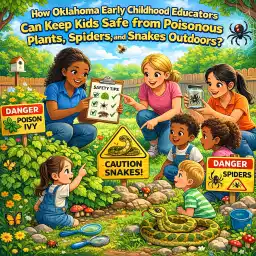
How can Oklahoma early childhood educators keep children safe from poisonous plants, spiders, and snakes outdoors?
05/21/2026Dear directors and providers: this short guide helps you keep young children safe outside in Oklahoma. You will find simple checks, easy steps, and what to do in an emergency. This article focuses on #Oklahoma programs and real outdoor risks. It also uses ideas from ChildCareEd resources about the o... How can Oklahoma early childhood educators keep children safe from poisonous plants, spiders, and snakes outdoors?
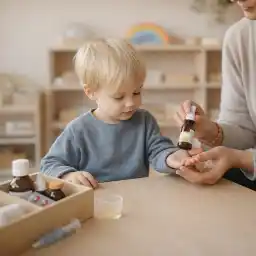
How Can Child Care Programs Safely Administer Medication?
07/16/2026Administering medication in a child care setting is a routine responsibility with serious health and safety implications. Clear written policies, accurate authorization forms, trained staff, secure storage, careful dose verification, and immediate documentation help prevent errors and protect childr... How Can Child Care Programs Safely Administer Medication?

A Path to Engaged Learning: Play!
03/31/2025Incorporating Play into Your Daily Curriculum: A Path to Engaged Learning As #early-childhood- #educators, we recognize the incredible power of #play in a child’s #development. Play is not just a fun way to pass the time; it’s a crucial component of learning that fosters creativity, pro... A Path to Engaged Learning: Play!

The Great Snowman Debate: Montessori vs. Traditional Methods for Building Frosty Friends
12/09/2024Two prominent educational philosophies—Montessori and traditional education—offer distinct approaches to learning, each with its own merits and challenges. Child care professionals can explore these approaches through ChildCareEd courses such as Teach the Montessori Way and Play, Learn, ... The Great Snowman Debate: Montessori vs. Traditional Methods for Building Frosty Friends

Scaffolding Instruction
11/23/2022Scaffolding—often enacted through the gradual release of responsibility—sequences teacher modeling, guided practice, and independent application to help children perform tasks beyond their unassisted level. This article explains how the I Do, We Do, You Do framework operates in early chi... Scaffolding Instruction

Texas Home Daycare Minimum Standards: Which Rules Apply to Your Type of Home?
08/27/2026Opening or operating a home daycare in Texas can feel confusing when the rules depend on your permit type, capacity, and services. This guide clarifies the major categories so you can organize your compliance plan, protect children, and prepare more confidently for monitoring visits; the Texas Prima... Texas Home Daycare Minimum Standards: Which Rules Apply to Your Type of Home?
