Latest Blog & News in English
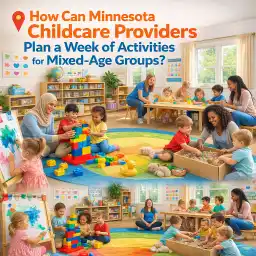
How Can Minnesota Childcare Providers Plan a Week of Activities for Mixed-Age Groups?
06/04/2026Planning a clear, kind week of activities for a mixed-age group can feel big — but you can do it step by step. This short guide is for Minnesota #providers who run programs with toddlers and preschoolers. It shows simple ways to design a weekly plan, set up centers, keep everyone safe, and inc... How Can Minnesota Childcare Providers Plan a Week of Activities for Mixed-Age Groups?

May Basket Day
09/23/2022May Basket Day celebrates giving small cones or baskets of flowers, notes, or treats to neighbors and friends. This article explains the tradition and gives child care providers step-by-step, developmentally appropriate ways to bring May baskets into classrooms. For practical training that pairs wel... May Basket Day

So You Want to Open a Child Care Center? Welcome to the Beautiful Chaos
05/08/2026Opening a child care #center sounds simple when it first pops into your mind. Find a building. Add toys. Hire teachers. Welcome children. Done! Not quite. Opening a child care center is more like putting together a giant puzzle while someone plays the clean-up song in the background and a #toddle... So You Want to Open a Child Care Center? Welcome to the Beautiful Chaos

California Child Care Ratios and Group Sizes by Age: Home Daycare Guide
07/10/2026Running a family child care home is important work. This guide gives clear, simple steps for California home daycares (FCCHs) so you can meet the rules, keep kids safe, and make day-to-day choices easier. You will see the main ratios, how to count staff and children, why rules matter, and ways to st... California Child Care Ratios and Group Sizes by Age: Home Daycare Guide
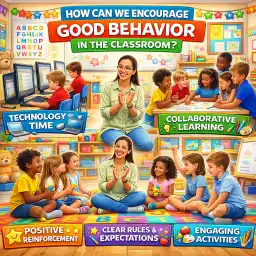
How can we encourage good behavior in the classroom?
06/04/2026Every day in group care we want kids to feel safe, learn, and make friends. Good #behavior helps children join activities, learn skills, and enjoy school. As a director or caregiver you already do many things that help — friendly greetings, clear rules, and predictable routines. This article g... How can we encourage good behavior in the classroom?

Daycare Center Requirements in Virginia
04/28/2026This short guide helps directors and providers understand the main rules to run a daycare in #Virginia. It is written for people who lead programs and want clear steps. Read the numbered lists and links, and remember state requirements vary - check your state licensing agency. What are the basic ... Daycare Center Requirements in Virginia

How Many Kids Can You Watch Without a License in Virginia?
06/23/2026Many providers ask one clear question: how many children can I watch in Virginia before I need a formal license? The short answer: it depends on the type of care and how often you care for children. Occasional babysitting for neighbors is different from running a regular paid home program. In Virgin... How Many Kids Can You Watch Without a License in Virginia?

Paper Airplanes
09/23/2022Good weather invites outdoor learning and simple process-art experiences. Paper airplanes are a low-cost activity that supports fine-motor control, bilateral coordination, sequencing, and early physics conversation. This article presents classic folds, origami techniques, and drawing-based app... Paper Airplanes

Art Exploration for Kids: Colors, Textures, and Creativity
06/17/2026Art time can feel messy, joyful, and full of learning. This article gives you clear ideas and steps to explore #colors, #textures, and #creativity with young children. You will find simple invitations, set-up tips, inclusion ideas, and ways to document learning. How can simple invitations t... Art Exploration for Kids: Colors, Textures, and Creativity
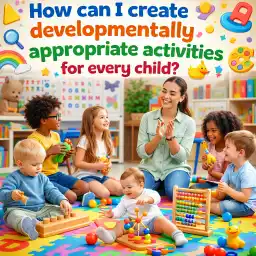
How can I create developmentally appropriate activities for every child?
06/09/2026Creating activities that fit each child makes your day calmer and learning stronger. This article is for child care providers and directors. It uses clear steps, lists, and links to helpful resources from ChildCareEd and trusted sites. You will see simple ideas you can use today. Remember: state req... How can I create developmentally appropriate activities for every child?
