Latest Blog & News in English
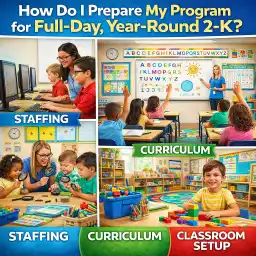
How do I prepare my program for full-day, year-round 2-K: staffing, curriculum, and classroom setup? A guide for New York providers
06/12/2026Getting ready to run a full-day, year-round 2-K program takes planning, clear rules, and teamwork. This article helps directors and providers make a plan for #2K kids that covers #staffing, #curriculum, #classroom layout, and #inclusion. Read the short steps, pick a few to try this week, and remembe... How do I prepare my program for full-day, year-round 2-K: staffing, curriculum, and classroom setup? A guide for New York providers

How to Get CDA Training for Free in Nevada
05/14/2026Many child care directors and teachers want a #CDA but worry about cost. Good news: Nevada has free or low-cost paths to finish training, get help with fees, and earn certificates. This guide gives simple steps you can use today. State requirements vary - check your state licensing agency. Why it m... How to Get CDA Training for Free in Nevada

How can preschool classrooms best support language development?
06/05/2026Young children learn language all day, every day. This article gives simple, practical steps that child care providers and directors can use in their classrooms. You will find short routines, read-aloud tips, ways to help dual language learners, and ideas for tracking progress. Use small changes t... How can preschool classrooms best support language development?

How Do I Become a Pre-K Teacher?
07/03/2026Becoming a Pre-K teacher is a big, joyful step. You help young children learn to play, talk, and get ready for kindergarten. This guide is for child care providers and directors. It gives clear steps, checks, and links to useful courses and rules. Read the numbered steps and save the links. Rememb... How Do I Become a Pre-K Teacher?

Childcare and the ADA
04/27/2023Almost all private child care providers — from family child care homes to center-based programs — are subject to the Americans with Disabilities Act (ADA). Title III applies to private 'public accommodations' such as child care centers; Title II applies to government-run programs. To und... Childcare and the ADA

ADA Training Online in Texas: Requirements, Access, and Inclusion
06/15/2026Many child care directors and teachers want to do the right thing for children with disabilities. This short guide answers common questions about online ADA training for Texas programs. It explains rules, where to find trusted online courses, how training helps your daily routines, and common pitfal... ADA Training Online in Texas: Requirements, Access, and Inclusion

Columbia childcare providers take CDA training with ChildCareEd!
06/06/2023Why take the #CDA training with ChildCareEd Thinking about earning a Child Development Associate credential? ChildCareEd offers self‑paced, online options such as the CDA Preschool Credential and the CDA Family Child Care Credential. Both cover the CDA Council’s eight subject areas an... Columbia childcare providers take CDA training with ChildCareEd!
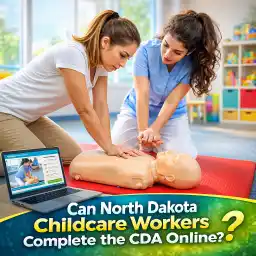
Can North Dakota Childcare Workers Complete the CDA Online?
06/02/2026Many childcare staff in #NorthDakota ask if they can earn a Child Development Associate online while they keep working. This guide answers that question and shows clear steps for directors and #providers who want a practical plan. We explain which online courses count, where to get free or low-cost ... Can North Dakota Childcare Workers Complete the CDA Online?

How can grants and vouchers help child care providers in DC?
06/04/2026Many DC child care directors and home providers are asking the same question: how can I find money to keep my doors open, pay staff, and improve my program? This short guide explains practical steps, where to look, and how grants and training vouchers can help. It uses simple numbered steps so you c... How can grants and vouchers help child care providers in DC?

CDA Infant/Toddler Credential
06/06/2023ChildCareEd's 120-hour Infant/Toddler training prepares early educators for the Council for Professional Recognition's credentialing process. Explore the CDA Infant/Toddler Credential or—if you already have 90 hours—complete the final hours with the Maryland-focused CDA Bridge Bu... CDA Infant/Toddler Credential
