Latest Blog & News
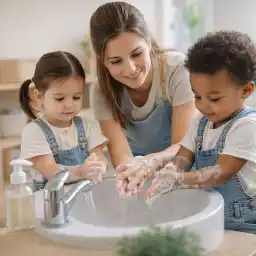
What Handwashing Rules Should Every Child Care Provider Teach?
09/17/2026Strong handwashing routines protect children, staff, and families while helping young learners build independence. For practical training on germs, hygiene policies, and infectious-disease prevention, explore Shoo, Germs! Don’t Bother Me!, a focused ChildCareEd course that can strengthen class... What Handwashing Rules Should Every Child Care Provider Teach?

What Should Daycare Illness Policies Include to Protect Children, Staff, and Families?
09/17/2026When a child develops symptoms, providers must balance compassion for one family with responsibility for the entire group. A clear, practical policy helps staff respond consistently, document decisions, and communicate respectfully; Illness, Medication, and Allergies in Child Care can deepen that kn... What Should Daycare Illness Policies Include to Protect Children, Staff, and Families?
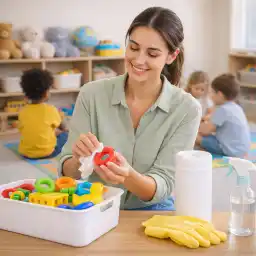
How Can Child Care Centers Properly Sanitize Toys?
09/17/2026Shared toys can quickly carry saliva, dirt, and germs from one child to another, but a consistent process can make toy hygiene manageable. For a broader foundation in illness prevention, explore Prevention and Control of Infectious Diseases; this two-hour course can strengthen staff knowledge while ... How Can Child Care Centers Properly Sanitize Toys?

When Should a Sick Child Be Sent Home From Daycare?
09/17/2026A sick-child decision can affect one child, an entire classroom, and a family’s workday—so staff need criteria that are compassionate, observable, and consistent. Illness, Medication, and Allergies in Child Care can deepen your knowledge of illness signs, exclusion decisions, and health ... When Should a Sick Child Be Sent Home From Daycare?

How Can Directors Train Staff on Medication Safety?
07/08/2026Directors and program leaders: you want staff who give medicine to be calm, correct, and confident. This short guide shows simple steps to plan and run training that protects children and the program. You will find checklists, links to helpful resources, and ideas you can use tomorrow. Remember: s... How Can Directors Train Staff on Medication Safety?

How Directors Can Stay Organized During Training Season
06/19/2026Training season can feel busy and messy. This guide helps busy #directors use ChildCareEd’s Group Admin / Admin Portal to keep #training on track, save time, and keep records ready for visits. Read these simple steps, routines, and checks you can use this week. State requirements vary - chec... How Directors Can Stay Organized During Training Season

What Directors Need to Manage Staff Training More Easily
06/17/2026Managing staff training can feel like a full-time job for child care directors. Between tracking required hours, saving certificates, reminding staff, and preparing for licensing visits, it is easy for paperwork to pile up fast. The ChildCareEd Admin Portal helps make training easier by putting t... What Directors Need to Manage Staff Training More Easily

How can directors build practical leadership skills for school-age programs?
07/16/2026Running a high-quality school-age program requires more than planning engaging activities—it requires intentional leadership that supports staff, protects children, strengthens family trust, and drives consistent improvement. This guide gives child care directors and providers practical strate... How can directors build practical leadership skills for school-age programs?

DCDEE Works: A Guide for Child Care Providers in North Carolina
05/18/2026Welcome! This short guide is for child care directors and providers who want simple, practical help using the #DCDEE #WORKS portal in #NorthCarolina. You will learn what WORKS does, what documents to gather, and how to avoid common pitfalls. Use the links to learn more from trusted sources like Chi... DCDEE Works: A Guide for Child Care Providers in North Carolina

How can daily health and safety checks keep my early childhood program safer?
07/15/2026Daily health and safety checks are a simple but essential routine that helps protect children, strengthen family trust, and reduce risks throughout an early childhood program. By using a friendly and consistent check-in process at drop-off, staff can notice signs of illness, injuries, changes in beh... How can daily health and safety checks keep my early childhood program safer?
