Latest Blog & News

How Can Child Care Programs Transfer Unfinished Family Follow-Ups When a Staff Member Leaves?
10/07/2026When a staff member leaves, an unanswered family question or missed promised update can weaken trust and interrupt a child’s support. A clear handover process keeps each commitment visible, assigned, and moving forward; A Guide to Effective Communication can help providers strengthen the liste... How Can Child Care Programs Transfer Unfinished Family Follow-Ups When a Staff Member Leaves?

What Can Unfinished Enrollment Applications Teach Child Care Programs?
10/07/2026When families begin an enrollment application but do not finish, the missing information may be telling you more about your process than about their level of interest. Use a simple review routine to find friction, improve follow-up, and make enrollment more accessible; Early Childhood Program Admini... What Can Unfinished Enrollment Applications Teach Child Care Programs?

How Can Child Care Programs End a Community Partnership Without Leaving Families Without Referral Options?
10/07/2026A community partnership may need to end, but families should not be left wondering where to turn next. With a thoughtful transition plan, your program can close one working relationship while maintaining trusted pathways to care and support; [Early Childhood Program Administration](https://www.child... How Can Child Care Programs End a Community Partnership Without Leaving Families Without Referral Options?

Do Your Automatic Email Replies Still Send Families to Former Staff?
10/07/2026When a staff member leaves, an outdated automatic reply can leave families unsure where to turn—and important questions about a child’s care may go unanswered. Use the practical audit steps below to update your contact routes, protect privacy, and keep communication dependable; for a dee... Do Your Automatic Email Replies Still Send Families to Former Staff?
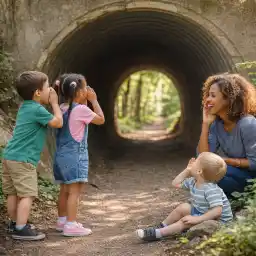
Where Does My Voice Come Back? How Can Children Explore Outdoor Echoes?
10/07/2026“Where did my voice go—and why did it come back?” An outdoor echo investigation turns a familiar surprise into an accessible science experience that builds children’s listening, language, and inquiry skills. Explore Building Early Science Foundations for deeper strategies to ... Where Does My Voice Come Back? How Can Children Explore Outdoor Echoes?
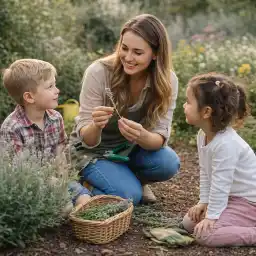
Why Did They Cut the Plant? How Can We Explain Garden Maintenance to Young Children?
10/07/2026When children see an adult trim a plant, they may worry that something healthy has been harmed—or wonder why a plant needs cutting at all. You can turn that moment into an accessible lesson about growth, care, and change; for deeper strategies to nurture young children’s curiosity throug... Why Did They Cut the Plant? How Can We Explain Garden Maintenance to Young Children?
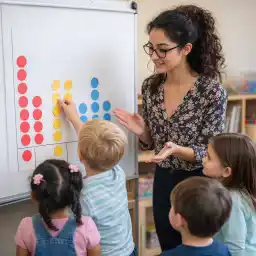
What Should You Do When a Child Changes Their Vote on the Classroom Graph?
10/07/2026A child changes their vote after seeing the classroom graph take shape—and suddenly a simple poll raises questions about fairness, choice, and what the data means. Responding thoughtfully can turn that moment into meaningful learning about revising ideas, counting, and representing information... What Should You Do When a Child Changes Their Vote on the Classroom Graph?
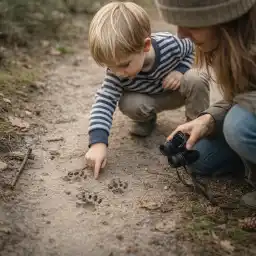
What Made This Track? How Can Providers Separate Outdoor Observations from Guesses?
10/07/2026A mysterious track can turn an ordinary outdoor moment into a lively science investigation—but children need help distinguishing what they see from what they imagine it means. The [Building Early Science Foundations course](https://www.childcareed.com/courses-building-early-science-foundations... What Made This Track? How Can Providers Separate Outdoor Observations from Guesses?

Why Does the Wind Feel Different on Opposite Sides of the Playground?
10/07/2026A breezy day can feel calm beside the fence and surprisingly gusty near the play structure—and children are quick to notice the difference. You can turn that everyday puzzle into hands-on science while helping children practice observation and comparison; Building Early Science Foundations off... Why Does the Wind Feel Different on Opposite Sides of the Playground?
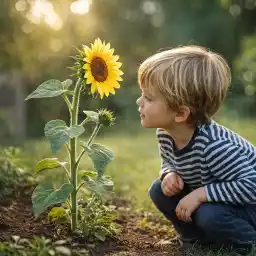
How Can One Plant Help Children Notice Gradual Change Outdoors?
10/07/2026A child may pass the same plant every day and still miss how much it has changed—unless we help them slow down and look closely. A simple, repeatable observation routine turns that plant into a living science investigation; Building Early Science Foundations offers practical guidance for suppo... How Can One Plant Help Children Notice Gradual Change Outdoors?
