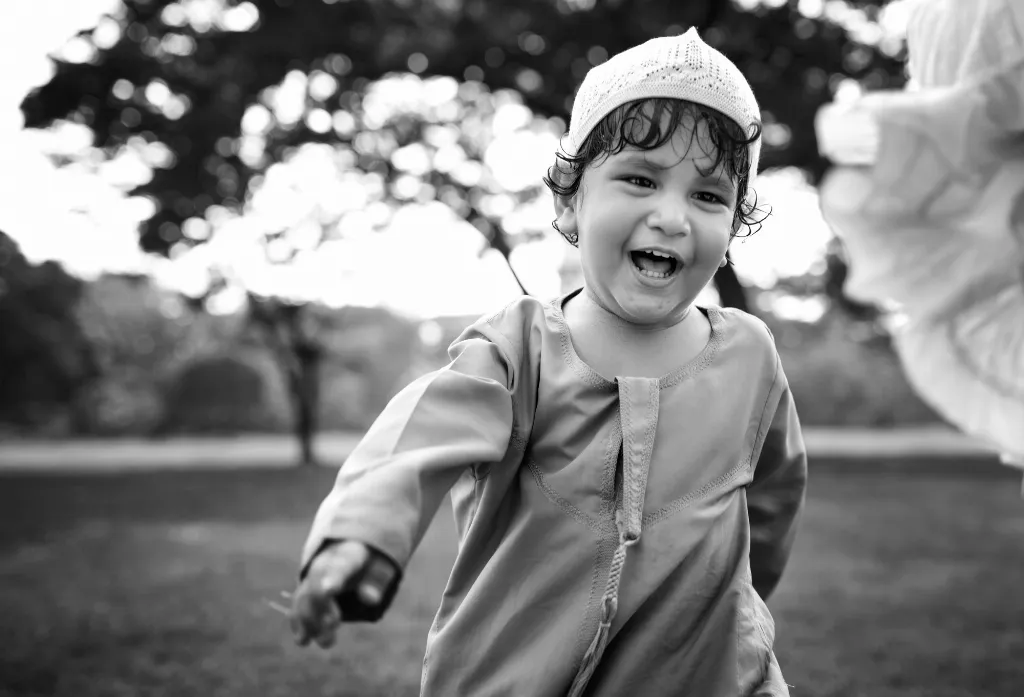
 Ashura is a special day that happens on the 10th day of the Islamic month of Muharram. Different Muslim families may observe it in different ways. In early childhood settings, the goal is to be simple, respectful, and safe so every child feels included. Use language like “some families” and focus on shared values like #kindness, #caring, and #respect.
What is Ashura, and how can I explain it to young children?
Keep your explanation short and neutral. You don’t need to teach religious practice. You can teach awareness and respect.
Here are child-friendly points you can say in circle time:
-
“Ashura is a special day for some families in the Muslim community.”
-
“Some families may pray, fast, or spend quiet time together.”
-
“We can learn about kindness, courage, and caring for others.”
If a child asks about fasting, keep it calm and reassuring:
-
“Some grown-ups choose to fast. Children stay safe and follow what their family decides.”
Helpful teacher tip: Try to avoid details about violence or fear. For young children, it’s enough to focus on values like helping others and being brave.
What words should teachers use to stay inclusive and respectful?
The words you choose matter a lot. They can help children feel safe especially children who may celebrate differently or not at all.
Use phrases like:
-
“Some families”
-
“In some homes”
-
“Different families do different things”
-
“Sharing is optional”
Avoid phrases like:
-
“Muslims do this…” (too broad)
-
“Everyone celebrates…” (not true)
-
“Tell us what your family believes…” (puts pressure on children)
Simple scripts you can use
-
“Some families remember Ashura. Today we’ll do a quiet kindness activity.”
-
“If your family celebrates this day, you can share if you want. It’s always okay to pass.”
This approach supports #inclusion and belonging.
Why does teaching about Ashura matter in early childhood programs?
When classrooms respectfully include many family traditions, children learn that every family belongs.
Teaching about Ashura in a calm, simple way can help children:
-
Practice respect for different cultures and traditions
-
Build empathy (“People do important things in different ways.”)
-
Grow social-emotional skills like kindness and self-control
-
Feel seen and valued when their family’s background is acknowledged
It also supports strong family partnerships. A short family note (optional and respectful) can help you learn what families prefer.
If you want training that supports inclusive classroom culture and family partnerships, these ChildCareEd courses connect well:

How do I communicate with families about Ashura in a respectful way?
A simple message works best. Keep it short, friendly, and optional.
Family note ideas
-
“This month we are learning that families celebrate special days in different ways. Some families observe Ashura. We will do a calm kindness activity and a simple art project. If you’d like to share a family tradition or prefer privacy, please let us know.”
Best practices
-
Ask for input, but don’t require it
-
Offer opt-out choices without judgment
-
Avoid asking families to send special items unless they offer
-
Keep plans consistent with your program policies and licensing rules
What safe, age-appropriate activities can we do for infants and toddlers?
Infants and toddlers learn best through sensory play, routines, and gentle connection. Keep activities short (5–15 minutes), supervised, and simple. Avoid small parts and anything that looks like a religious ritual.
Try these calm ideas:
-
Moon-and-star sensory play
-
Use soft fabric, large safe star shapes, and shiny paper (supervised).
-
Talk about gentle words: “soft,” “calm,” “care.”
-
-
Quiet light corner (no flames)
-
Use battery tea lights or string lights out of reach.
-
Add cozy pillows and a simple book about families.
-
-
Helping-hands routine
-
Trace hands (or use handprints with paint if appropriate).
-
Add a sticker when a child helps a friend or cleans up.
-
-
Kindness songs and simple choices
-
Practice: “gentle hands,” “sharing,” “helping.”
-
Safety reminders
-
Check choking hazards
-
Follow allergy rules and permission policies
-
Keep participation optional and pressure-free
What activities work well for preschool and mixed-age groups?
Preschoolers can handle short discussions and projects that connect to big ideas like courage, helping, and gratitude. Keep the message neutral and value-based.
Here are classroom-friendly options:
-
Lantern, moon, or star craft (process art)
-
Use paper plates, tissue paper, stickers, or paint.
-
Talk about “light” as a symbol of hope and kindness (in a general way).
-
-
Kindness chain
-
Each child adds a paper strip with one kind action:
-
“I will help clean up.”
-
“I will use kind words.”
-
“I will include someone.”
-
-
-
Story + two questions
-
Read a story about bravery or helping.
-
Ask:
-
“Who helped?”
-
“How did it feel?”
-
-
-
Quiet reflection corner
-
Invite children to draw: “Draw something that shows caring.”
-
Offer calm options for children who don’t want to talk.
-
-
Community helper thank-you cards
-
Make cards for school helpers (cooks, bus drivers, custodians).
-
This keeps the focus on #community and gratitude.
-
For ready-to-use ideas that fit this topic, include this ChildCareEd resource in your planning:
How do I keep activities inclusive when families observe Ashura differently?
Ashura can look different across cultures and communities. In child care, your safest plan is to focus on shared themes and offer choices.
Inclusive planning tips:
-
Use “some families” language every time
-
Offer more than one activity option (art, quiet corner, kindness chain)
-
Avoid reenactments, costume play, or ritual-style activities
-
Never ask one child to “teach the class” about their faith
-
Invite family input, but make sharing optional
A helpful ChildCareEd article for inclusive holiday planning is:
What common mistakes should we avoid?
These are easy mistakes to make—and easy to fix.
-
❌ Putting one child on the spot
-
✅ Let children share only if they want to.
-
-
❌ Assuming all Muslim families observe Ashura the same way
-
✅ Say “some families” and keep it general.
-
-
❌ Sharing scary or detailed information
-
✅ Focus on kindness, courage, caring, and helpers.
-
-
❌ Doing activities that look like religious rituals
-
✅ Choose neutral crafts and kindness projects instead.
-
-
❌ Serving food without permissions
-
✅ Follow allergy policies and family permission rules.
-
FAQ
What if a child asks, “Is this a holiday?”
You can say: “It’s a special day for some families. Families do different things.”
Can we teach about Ashura without teaching religion?
Yes. Keep it neutral and focus on shared values like #kindness, bravery, and caring.
Should we invite families to share?
Yes, but optionally. A short note works best, and it’s always okay for families to choose privacy.
Should we talk about fasting with young children?
Only briefly and factually. Avoid fasting activities or challenges in class.
Conclusion
Teaching about Ashura can be calm, respectful, and developmentally appropriate. Keep explanations simple, use “some families” language, and focus on shared values like #kindness, courage, and caring for others. With a few gentle activities and inclusive communication, you build a classroom where every child feels safe, seen, and included.
Don’t forget to include this ChildCareEd resource in your lesson planning:
https://www.childcareed.com/r-00822-ashura-activities-for-kids.html Buy Now $0.00
