Latest Blog & News

How Can Classroom Adaptations Travel with a Child Between Rooms?
10/07/2026A child’s support should not disappear when they move from one classroom to another. A clear, portable plan helps every educator offer familiar strategies and makes transitions more predictable; [Access for All: Inclusion and the ADA](https://www.childcareed.com/courses-access-for-all-inclusio... How Can Classroom Adaptations Travel with a Child Between Rooms?
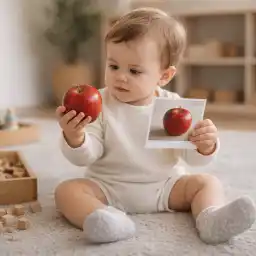
Why Might a Child Recognize a Real Object but Not Its Photograph?
10/07/2026A toddler who eagerly finds a familiar cup may hesitate when shown its photograph—and that pause can be a meaningful part of learning, not a failure. Explore practical ways to build the bridge from tangible objects to images, and consider Observing & Assessing in Child Care to strengthen y... Why Might a Child Recognize a Real Object but Not Its Photograph?
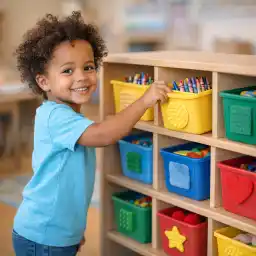
How Can Consistent Tactile Landmarks Help Children Find Classroom Materials?
10/07/2026When a child can reliably locate a favorite book, art supply, or cubby, the classroom becomes easier to navigate—and independence grows through everyday practice. Consistent tactile landmarks can make materials more discoverable for children who are blind or have low vision, while also strengt... How Can Consistent Tactile Landmarks Help Children Find Classroom Materials?
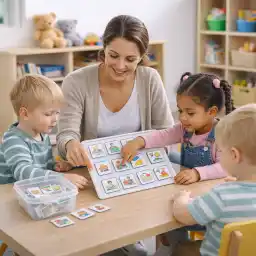
How Can You Make a Choice Board Truly Accessible to Every Child?
10/07/2026A choice board only supports independence when a child can see, reach, understand, and indicate an option in a way that works for them. Use the practical audit below to identify barriers and make adjustments that protect children’s agency; for a deeper foundation in accommodations and inclusiv... How Can You Make a Choice Board Truly Accessible to Every Child?

How Can You Set Up Shared Art Tables for Left- and Right-Handed Children?
10/07/2026A busy art table can become frustrating when elbows collide, tools feel awkward, or children cannot see a demonstration clearly. Thoughtful setup helps left- and right-handed children create comfortably and participate together; Access for All: Inclusion and the ADA offers deeper learning about acce... How Can You Set Up Shared Art Tables for Left- and Right-Handed Children?
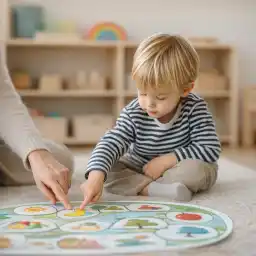
Is the Child Following the Picture or Your Pointing Finger?
10/07/2026A child looks toward the picture you point to—but what guided their attention: the image, your gesture, your words, or the combination? Learning to distinguish these cues can sharpen your classroom observations and help you plan more responsive interactions. Explore Observing & Assessing i... Is the Child Following the Picture or Your Pointing Finger?
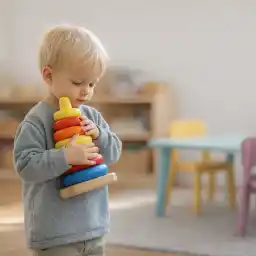
When Does a Classroom Picture Mean Something Different to a Child?
10/07/2026A picture of a cup may seem unmistakable to an adult, yet a child may see a different object, remember a different experience, or not realize that the image represents something real. Strengthen your ability to notice and respond to these differences with A Guide to Effective Communication, which de... When Does a Classroom Picture Mean Something Different to a Child?

Why Should “None of These” Be a Choice for Children Who Communicate Without Speech?
10/07/2026When a child cannot find a meaningful answer on a choice board, the choices may be limiting their voice rather than supporting it. Adding “none of these” gives children who communicate without speech a way to reject, clarify, or tell us the options do not fit; for broader guidance on acc... Why Should “None of These” Be a Choice for Children Who Communicate Without Speech?
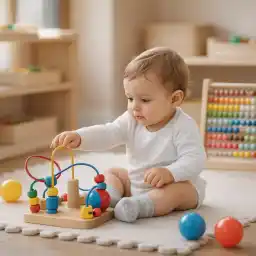
What Changes in Infant Exploration After You Rearrange the Room?
10/07/2026A thoughtful room rearrangement can reveal what infants are ready to notice, reach, move toward, and investigate—but only careful observation shows whether the change is helping. Explore practical ways to compare infant play before and after a layout update, and strengthen your design decision... What Changes in Infant Exploration After You Rearrange the Room?
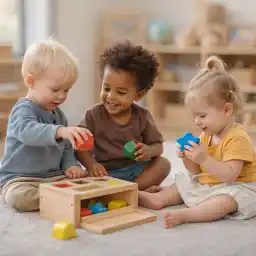
How Can One Material Spark Different Discoveries for Infants and Toddlers?
10/07/2026A basket of cups, scarves, or large blocks can become a rich learning invitation when each child is free to explore in an age- and ability-appropriate way. The Baby Play: Planning Infant and Toddler Activities course helps providers plan individualized experiences and balance adult-guided and child-... How Can One Material Spark Different Discoveries for Infants and Toddlers?
