Introduction
Mealtime can feel hard for children and staff. Good mealtime habits help children eat, calm down, and learn. This article gives clear steps child care leaders can use today to make #mealtime calmer. You will find simple routines, ways to help picky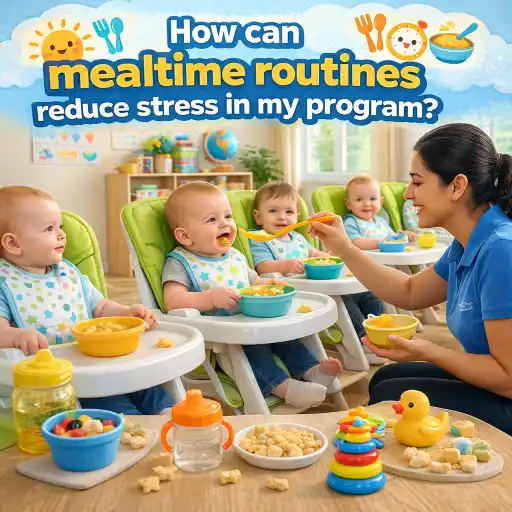 eaters, tips for sensory needs, and ideas to work with families. State requirements vary - check your state licensing agency.
Why this matters: calm mealtimes help children feel safe, improve #routines, and protect nutrition and learning. We link to practical ChildCareEd guides you can use in your classroom and with families.
Why do mealtime routines matter and how do they lower stress?
Routines tell children what comes next. That lowers worry and gives children a chance to focus on eating and friends. Predictable steps also help staff plan and stay calm.
Key reasons mealtime routines matter:
- 🍽️ Safety and health: regular meal times support good #nutrition and can reduce grazing and big tantrums. See How to Promote Healthy Eating Habits in Young Children for classroom ideas.
- ⏰ Predictability: kids know the flow—wash hands, sit, serve, eat, clear—so transitions are easier. ChildCareEd's How Do I Create Healthy Routines for Young Children? has step-by-step help.
- 🧠 Self-regulation: steady routines teach children to wait, take turns, and use calm voices. This reduces #stress and big behaviors.
When children feel safe at the table, staff can focus on teaching and building relationships. Use visuals and short songs to cue steps so everyone knows what to do next.
How do I set up simple mealtime routines that cut down stress?
Design routines that are clear, short, and repeated every day. Keep steps consistent and teach them with practice.
- 🔹 Decide the fixed steps (arrival, handwashing, seat, serve, eat, clear): post a picture schedule so children see the order. For examples and templates try ChildCareEd’s menu and routine resources like the Weekly Meal/Menu Planner Template Buy Now $0.00.
- 🟢 Use family-style serving when possible. Let children choose small portions to build independence and reduce pressure. See tips in How to Promote Healthy Eating Habits.
- 🔁 Build short transition buffers. Give a 5-minute and 1-minute warning before clean-up or sitting down. Visual timers and songs help a lot — this reduces frantic rushing.
- 📋 Assign roles. Numbered jobs (table washer, server helper) keep children busy and reduce waiting time. Rotate jobs so everyone practices skills.
- ⭐ Teach and practice: run a few short rehearsals during calm times (no pressure to taste new foods). Praise effort and cooperation.
Keep routines flexible when needed. If a child needs extra time, have a quiet helper spot, or allow a small extension. Small planning steps prevent many big meltdowns and save staff time.
How can I support picky eaters and children with sensory needs without adding stress?
Picky eating and sensory reactions are common. The goal is gentle exposure and choice, not pressure. Use playful and safe strategies.
- 🍏 Offer low-pressure exposure: place new foods next to favorites and let children touch, smell, or play with food. Do this often — kids may need many exposures before tasting. ChildCareEd’s piece on picky eaters shows games and ideas: How Can I Help Picky Eaters Try New Foods.
- 🍽️ Respect sensory differences: provide texture options (soft vs. crunchy), let some use utensils if touching is hard, seat sensory-sensitive children where they feel safe. For sensory ideas, see resources that explain senses and strategies like Sensory Integration: Tips to Consider.
- 🎲 Make food play-based: include tasting stations, food sorting, or color games. Active play before meals can increase appetite—see Picky Eater Solutions from the Playground.
- 🧑🏫 Model and narrate: eat the foods yourself, use calm words to describe textures and flavors, and thank children for trying. Avoid rewards or bribes.
- 🛑 Common mistakes to avoid:
- ❗ Forcing bites or using dessert as a bribe—this raises anxiety (see UCSF guidance: Picky Eaters).
- ❗ Shortening active time before meals—kids may not be hungry if they haven’t moved enough.
Patience matters. Keep mealtimes positive. If a child needs a special plan (allergies, medical feeding needs), document it and share with staff and families. State requirements vary - check your state licensing agency.
How do I involve families and stay compliant while keeping mealtimes calm?
Families are partners in building calm mealtimes. Share simple routines, invite feedback, and provide resources.
- 📣 Communicate clearly:
- 🔔 Send a short weekly note or picture schedule about what children ate and how mealtimes went. Use ChildCareEd handouts like How Do I Create Healthy Routines for Young Children? to guide family messages.
- 📸 Share photos of family-style serving or a new food game—keep notes positive and brief.
- 🤝 Invite family input:
- 📝 Ask families about home eating patterns and favorite foods so you can mirror routines and reduce confusion.
- 🎵 Give one or two simple at-home steps (same dinner song or clean-up words) to try for consistency.
- 🗂 Stay compliant and safe:
- 📑 Keep written meal plans, allergy notes, and individual feeding plans. Use templates like the ChildCareEd Weekly Meal/Menu Planner Template Buy Now $0.00.
- 🔒 Train staff on allergy procedures, family-style serving safety, and supervision during meals. Consider ChildCareEd trainings such as Healthy Starts
 Buy Now $55.00.
- ✅ Quick tips to keep stress low:
- 🟡 Short, clear family messages beat long memos.
- 🟡 Offer choices (two approved options) rather than many new foods at once.
- 🟡 Celebrate small wins with families (first bite, sitting through whole meal).
Conclusion and FAQs
Summary: predictable steps, calm cues, family-style serving, sensory respect, and strong family communication make mealtimes less stressful. Teach routines, use visuals, and be patient with picky eating. Use trusted resources from ChildCareEd to train staff and share with families.
Quick FAQ:
- Q: How long should a mealtime routine be for preschoolers? A: Keep steps short (5–15 minutes per meal plus transition time) and include movement before meals so children are ready to eat.
- Q: What if a child refuses to eat? A: Stay calm. Remove food politely and offer the next scheduled meal or snack. Document and talk with families.
- Q: Can snacks be family-style? A: Yes. Family-style helps independence and cuts pressure when supervised safely.
- Q: Where can staff learn more? A: ChildCareEd courses like Healthy Habits from the Start Buy Now $24.00 and Healthy Starts Buy Now $55.00 are practical options.
Thank you for caring. Small, steady changes to your #routines at mealtime will make a big difference for children, staff, and #families.
- CDA Home Visitor Subject Area 3 Part 3 Birth to 5
- Mastering Supervision: Keeping Children Safe in All Settings
- Legal & Ethical Essentials in Child Care
- Healing Young Hearts: Stress and Grief
- From Stress to Wellness
- Self-Regulation & Change: Helping Children Cope
- Texas Director Credential
- Behind the Scenes: Baby Routines ONLINE
- On My Plate: Children's Nutrition
- Every Moment Matters: Schedules and Transitions
- National Eat Your Vegetables Day June 17
- Building a Back-to-School Routine: Balancing Homework, Extracurriculars, and Family Time
- Ready, Set, Kindergarten!
- 👶 ¿Cuáles son las proporciones y grupos requeridos en Dakota del Norte? 🏫
- 10 Ejemplos de Cómo la Cultura Influye en el Desarrollo Infantil
- How can preschool programs build healthy eating habits for young children?
- How can New York childcare providers help picky eaters in daycare?
- How can child care programs promote nutrition and healthy eating habits?
- Celebrando la amistad en el cuidado infantil durante el Día de los Mejores Amigos
- How can food safety training protect children in my child care program?
- How can Georgia infant and toddler classrooms use the Watermelon Wake-Up Call to prevent choking?
- How can food safety training protect children in my child care program?
- How should Minnesota child care programs handle allergies and special diets?
- How can Michigan child care providers prevent choking and deliver basic first aid?
- How can childcare programs prevent choking and keep mealtimes safe?
- How can child care programs handle picky eaters without mealtime battles?
- How can child care providers support children with feeding difficulties?
- From Mealtime to Manners: How Cultural Influences Show Up in Everyday Child Care
- How Can Providers Talk About Food Variety Without Shaming Children’s Lunches?
