Keeping children safe is the top job for every child care program. This short article explains, in easy words, why pediatric #CP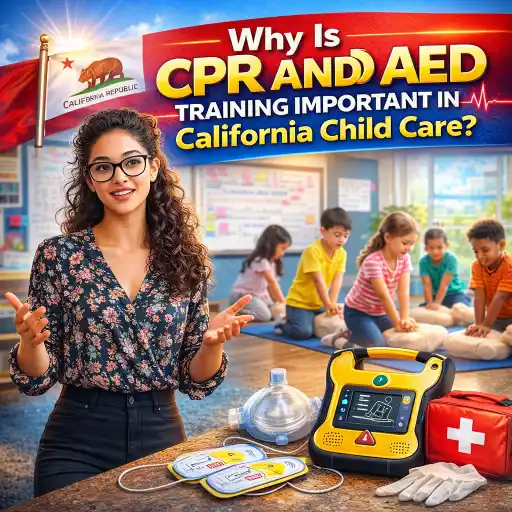 R and #AED training matter for centers and family child care homes in California. You will find clear reasons, state rules, and simple steps you can use with your team. Read this like a helpful note from a co-worker who cares.
Why it matters:
1) When a child has a sudden emergency, every second counts. CPR and AED use can keep a child alive until emergency medical help arrives. See real stories of trained people saving lives in ChildCareEd's \"When Seconds Count\".
2) Families trust programs that train staff in life-saving skills. Training builds confidence and shows you put #safety first. For practical course options, check ChildCareEd's training pages like In-Person First Aid & CPR Buy Now $95.00 and Blended First Aid & CPR Buy Now $85.00$80.00. For a concise overview of how these courses build practical skills and confidence, see First Aid & CPR — Empowerment Through Lifesaving Skills.
What are CPR and AED — and how do they save lives?
1. CPR (Cardiopulmonary Resuscitation): a way to keep blood and oxygen moving when a person is not breathing or has no pulse. For kids, techniques are different from those for adults. 2. AED (Automated External Defibrillator): a small machine that can check the heart rhythm and give a shock if needed to restore a normal heartbeat.
Why these matter for child care:
- 🩺 Quick action preserves brain function. If someone is without oxygen, brain cells start to die within minutes.
- 🚨 Many emergencies (like sudden cardiac arrest or severe allergic reaction) need immediate steps before EMS arrives.
- 💡 AEDs are easy to use. Most machines give voice prompts. Training helps staff feel calm and ready.
Learn more about pediatric first aid and why it's aimed at infants and children in ChildCareEd's article Keeping Our Youngest Students Safe. For a practical, staff-focused course that teaches pediatric CPR and first aid with clear, classroom-ready steps, see Become a Tiny Superhero with Pediatric First Aid & CPR. #children #training
What does California require, and where can we get training?
1) California rules: Title 22 and CDSS require that licensed child care programs have staff trained in pediatric First Aid and pediatric CPR/AED. Read ChildCareEd's guide to What Is Title 22 for details. State law (Health & Safety Code) and bills like AB 290 add training topics (for example, nutrition is now part of preventive health training).
2) Typical required training pieces (numbers help you plan):
- 📘 16 hours (common health & safety block) including Pediatric First Aid and Pediatric CPR/AED in some formats — check your licensing list.
- 📄 Mandated Reporter training (usually on hire and annually).
- 🧾 Keep certificates on file and show them to your licensing analyst when asked. See training lists at ChildCareEd Health & Safety Resources Buy Now $0.00.
3) Where to train: Choose approved providers. ChildCareEd offers classroom, blended, and online options: in-person Buy Now $95.00 and blended Buy Now $85.00$80.00. Other trusted sources include the American Red Cross and AHA Heartsaver classes. For a course focused specifically on infants and children, see ChildCareEd's Pediatric First Aid and CPR course. Remember: state requirements vary - check your state licensing agency and confirm the course meets CDSS or EMSA approval.
How will CPR and AED training help my staff and program?
1) Practical benefits (easy list):
For a focused overview of why learning these life-saving skills matters specifically for child care providers, see Life-Saving Skills at Your Fingertips: The Importance of CPR Training.
- 🧑🤝🧑 Team confidence: staff act faster and with less panic during emergencies.
- 👨👩👧 Family trust: parents see that your program takes #safety seriously and has certified staff.
- 🏥 Better outcomes: immediate care can reduce injury severity and improve recovery.
2) Program-level benefits:
- 📋 Compliance: meeting Title 22 and licensing expectations helps you pass inspections. ChildCareEd explains training needs in Which Trainings Are Required.
- 🔁 Staff retention: training shows professional growth opportunities and helps with job satisfaction.
- 🤝 Community safety: trained staff can sometimes help people outside your classroom in public emergencies — real-life examples show lives saved; see When Seconds Count.
3) Cost vs. value: Training takes time and a small budget, but the safety and legal peace of mind are worth it. Many programs budget for group trainings or rotate staff through courses to keep coverage and costs balanced.
How do we put training into practice and avoid common mistakes?
Follow these steps to make training real in your daily routine:
- 🗓️ Plan: 1) List all staff and note certificate expiry dates. 2) Schedule training so someone with current certification is always on-site.
- 🎓 Train: Use an approved course. ChildCareEd courses and local Red Cross/AHA classes are good choices: ChildCareEd First Aid & CPR. Buy Now $95.00 You can also share a short, motivating primer with staff — Superheroes Wear Capes...And Take First Aid & CPR Classes — which frames First Aid and CPR training as an empowering, practical skill for childcare professionals.
- 🧰 Practice: Run short drills, show staff where the AED is stored, and check that batteries and pads are up to date. Before summer activities begin, schedule a summer-focused pediatric first aid and CPR review that addresses water-safety, heat-related illnesses, and outdoor emergency response; see ChildCareEd's Summer-focused pediatric First Aid & CPR guidance for course ideas.
- 📁 File: Keep digital and paper copies of cards in a "show it fast" folder for licensing visits.
Common mistakes and how to avoid them:
- ❌ Letting certificates expire — set calendar reminders 60 and 30 days ahead.
- ❌ Assuming any online course meets California rules — confirm approval first.
- ❌ Hiding AEDs — place them where staff can reach them quickly and let everyone know the spot.
FAQ (quick):
- Q: How often to renew CPR/First Aid? A: Usually every 2 years for CPR/First Aid cards; check your course and licensing guidance. You can renew First Aid and CPR/AED certification through ChildCareEd, which explains renewal frequency, approved renewal courses, and steps to keep your program compliant.
- Q: Who must be certified? A: Title 22 says at least one trained staff member must be on site; many centers require more than one.
- Q: Do AEDs need medical oversight? A: Many states ask for physician involvement in an AED program. Review local rules and resources like AED law summaries.
- Q: Where to find low-cost group training? A: Local Resource & Referral agencies, community colleges, and providers like ChildCareEd can help.
Conclusion
1) CPR and AED training saves lives and strengthens your program's #safety and reputation. 2) Use approved courses, track certificates, and practice with your staff. 3) For California-specific guidance, read ChildCareEd's resources like How To Get a Daycare License In California and check with CDSS — state requirements vary; check your state licensing agency. Your commitment to training makes your center a safer, more trusted place for children and families.
- Adult Only CPR AED and Adult First Aid Blended
- CDA Family Child Care Credential
- Pediatric Blended First Aid & CPR/AED Adult, Child, Infant
- Pediatric RSV First Aid & CPR/AED
- Pediatric In-Person First Aid & CPR/AED Adult, Child, Infant
- 24 Hour Texas Pre-Service
- 45-Hour Infant and Toddler Curriculum
- Texas Director Credential
- CPR for childcare providers: what to know
- Focus on Health and Safety Training
- Life-Saving Skills for Childcare Providers and Teachers: Why First Aid and CPR Matter
- CPR Labor Day Weekend Sale ~ Prepare for the New School Year with Pediatric First Aid and CPR
- Save Lives With Skill: CPR Training
- Que es Título 22 en California?
- ¿Cómo solicito la licencia para una guardería en California?
- Regulaciones de Licenciamiento de Cuidado Infantil en California para Centros y Hogares de Cuidado Infantil Familiar
- Lista para Guardería en Casa en Texas: Cómo Iniciar una Guardería en el Hogar
- Cómo Trabajar en el Cuidado Infantil en California: Requisitos y Pasos
- Online Child Care Courses in California: Training Made Simple
- 45-Hour Child Care Training in California: Requirements and Options
- Why Is CPR and AED Training Important in California Child Care?
- Daycare Training Hours in California: How Many Do You Need?
- How did a backyard pool change water safety at California family child care homes?
- What Daycare Certification Requirements Must You Complete Before You Can Start Working?
- What Certifications Do I Need to Open a Child Care Center? Owner vs. Director Requirements Explained
- Which First Aid Course Do Child Care Providers Need for Licensing?
