A quiet child in circle time may be listening, processing, or looking for a safer way to contribute—not disengaging. Learn how communication, language, sensory, social, and timing barriers can shape participation, and how small adjustments can open more pathways into conversation. For practical strategies that strengthen verbal and nonverbal language support, explore ChildCareEd’s Language Development in Early Childhood  Buy Now $16.00; the additional Inclusive Lessons for Preschoolers Buy Now $16.00 course can help you adapt activities so more children can take part meaningfully.
Why does group conversation feel difficult for some preschoolers?
Group conversation asks a young child to manage several demands at once: listen amid competing voices, understand the topic, plan a response, wait for a turn, and communicate in front of peers. A child may have an idea but need more time to organize it, may be more comfortable speaking to one person, or may not yet understand the group’s conversational routine. Noise, crowding, fatigue, unfamiliar topics, and long gatherings can add further barriers.
Communication is broader than spoken words. A preschooler may share an idea through a gesture, sign, facial expression, pointing, a picture, drawing, movement, or an established communication device. A child who watches closely may also be learning the rhythm of the conversation before joining. NAEYC’s discussion of inclusive engagement and the classroom environment highlights how physical, social, and temporal adjustments can support children’s access and involvement.
Temperament matters, too. Some children need time to feel comfortable in a group, while others may be navigating a new language or unfamiliar social expectations. These possibilities are not diagnoses, and a single quiet moment does not tell the whole story. Begin with curiosity: what is this child communicating, and what might make the exchange easier to enter?
Why does flexible participation matter?
When group discussion requires every child to answer aloud, quickly, and on cue, it can mistake visible performance for learning. Children may understand an idea without being ready to express it in that format. A narrow definition of participation can also leave out children who use non-speech communication, are multilingual, or need additional processing time.
Flexible participation protects both access and agency. Children can share a common learning experience while responding in different ways: watching, choosing a picture, holding a prop, adding a movement, talking with a partner, or passing for now. The Illinois Early Learning Project describes class discussions as opportunities for children to listen, share information, solve problems, and make decisions together—not simply answer teacher questions (Cooperation in the Preschool Classroom: Class Discussions).
For educators, the goal is not to make every child equally talkative. It is to build a community where each child has a real opportunity to contribute and is treated as a valued member whether their contribution is spoken, signed, shown, or still taking shape. This strengthens #belonging and makes the conversation richer for everyone.
How can teachers make group conversations easier to enter?
Plan the conversation around one clear idea and a predictable structure. Short, purposeful gatherings often work better than long discussions with several topics. Introduce what will happen, use a familiar opening cue, and make the turn-taking pattern visible. A talking object, picture sequence, or simple visual schedule can help children anticipate when and how they might join.
Pair spoken language with other ways to understand the topic. Show a real object, photograph, or picture card; demonstrate an action; and use concise directions. After asking a question, pause long enough for children to process it. Repeating or rephrasing too quickly can unintentionally crowd out a response.
- Offer a few response options: speak, sign, point, choose a picture, show an object, move, or pass.
- Invite partner talk or a small-group exchange before asking children to speak to everyone.
- Use open prompts such as “What do you notice?” alongside concrete choices for children who prefer a more defined entry point.
- Give children a moment to think, and accept a response that comes after the group has moved on when practical.
- Keep materials within reach and consider seating that lets children see one another and the conversation cues.
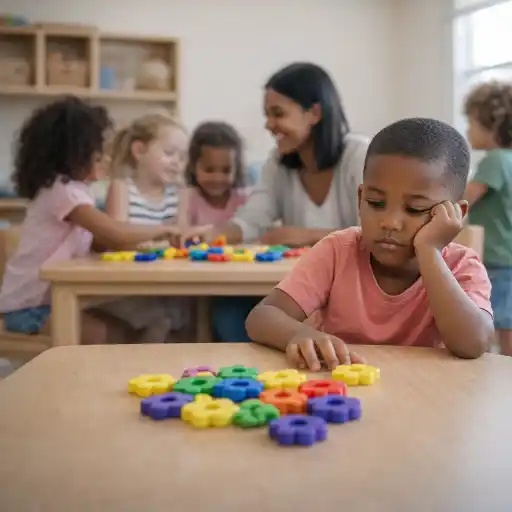
These options do not lower expectations. They preserve the shared learning purpose while offering different routes into it. For deeper professional learning, ChildCareEd’s Building Bridges for Dual Language Learners Buy Now $25.00 explores language-aware teaching, family collaboration, and culturally responsive environments.
How can educators support quieter, multilingual, and non-speaking communicators?
Start by recognizing each child’s full communicative repertoire. A child may understand more than they express in the classroom language, communicate readily in a home language, or use gestures and pictures more comfortably than speech. Invite families to share the child’s familiar words, communication preferences, interests, and successful strategies. The OECD’s discussion of supporting inclusion in early childhood education and care emphasizes the value of responsive practice that recognizes children’s strengths and backgrounds.
Keep a child’s established communication system available during group activities. A classroom choice board can help a child select a topic or response, but it is not a substitute for an individualized communication system or device. Follow family and specialist guidance, and treat a child’s established gestures, signs, pictures, or device messages as meaningful communication. Do not insist on speech, eye contact, or a particular response to prove participation.
For a child who is hesitant to speak publicly, provide low-pressure ways to contribute: choose a song card, show a picture to a trusted adult, whisper an idea to a partner, or help place an object on a shared chart. Avoid spotlighting a child’s quietness or praising only the most audible answer. Instead, respond naturally to the message and make room for peers to listen and respond respectfully. Patient, consistent invitations can build confidence without asking children to change who they are.
How can teachers observe progress and avoid common pitfalls?
Observe access and engagement, not compliance. Brief notes can show whether a child had time to respond, could understand the prompt, had access to their communication method, or contributed through a nonverbal action. Record the setting, the invitation, the child’s response, and what seemed to help. Look for patterns across different group sizes, topics, times of day, and communication partners rather than drawing conclusions from a single episode.
Common pitfalls include treating quiet observation as refusal, repeatedly prompting after a child has declined, equating speech with understanding, and offering visual supports that are too complex or unavailable when needed. Avoid forcing a child to sit in a group, answer aloud, or use a particular communication mode. If a child appears distressed, prioritize emotional safety and consider whether noise, pace, group size, or expectations need adjustment.
- Before: choose one discussion purpose and prepare a few accessible ways to contribute.
- During: invite without pressure, allow processing time, and respond to all communication modes.
- After: note what supported participation and select one practical adjustment to try next time.
Share observations with families in a strengths-based, collaborative way. If concerns persist across settings or interfere with daily communication and relationships, follow program procedures to consult the director and family about appropriate support; educators should describe observations rather than diagnose. State requirements vary - check your state licensing agency.
Conclusion: What helps every preschooler have a voice?
Some preschoolers participate less in group conversations because the format may demand more speech, speed, sensory comfort, language familiarity, or social confidence than they can readily offer in that moment. Teachers can make conversation more accessible by using short, predictable gatherings, visual and hands-on supports, thoughtful wait time, and multiple ways to respond.
The central question is not whether each child spoke the same number of times, but whether each child had a genuine opportunity to connect and contribute. Notice children’s cues, honor their communication, partner with families, and adjust the environment when the conversation is difficult to enter. Flexible participation makes room for every voice—including the ones shared through a look, a gesture, a picture, or patient observation.
- 45 Hour Child Growth and Development
- What Makes Me Special: An Overview of Autism and ADHD
- Birth to Five CDA Credential with Portfolio Review
- 45 Hour Infant and Toddler Methods and Materials
- CDA Bridge Bundle: Family Child Care without Portfolio Review
- CDA Bridge Bundle: Infant/Toddler without Portfolio Review
- CDA Bridge Bundle: Preschool without Portfolio Review
- Texas Director Credential
- CDA Certification en Español: Recursos y Consejos para Educadores Bilingües
- Lista para Guardería en Casa en Texas: Cómo Iniciar una Guardería en el Hogar
- Cómo Trabajar en el Cuidado Infantil en Carolina del Norte: Requisitos y Pasos
- After DC Early EdX 2026: Why Do Early Educator Mental Health and Advocacy Matter More Than Ever?
- Celebrando la amistad en el cuidado infantil durante el Día de los Mejores Amigos
- Cómo simplificar la capacitación para sus empleados de daycare
- Dr. Seuss Book List for Teachers: Easy Ways to Use It for Story Time and Learning
- When Families and Teachers See a Child Differently, How Can They Build a Shared Understanding?
- How Long Should Circle Time Be for Preschoolers?
- What Should Teachers Do When a Child Refuses to Join Group Activities?
- How Can Teachers Support Children Who Become Frustrated During Fine-Motor Activities?
- How Can Preschool Teachers Use Fall Experiences to Support Individual Learning Needs?
- How Can Preschool Teachers Help Children Understand the Difference Between Wants and Needs?
- How Can Preschool Teachers Encourage Children to Reflect on What They Learned?
- Why Do Some Preschoolers Struggle to Listen and Follow Directions During Group Games?
- How Can November Reflection Prompts Make Kindergarten Readiness Practical?
- How Can Educators Build a Classroom Where Every Child’s Voice Counts?
- Why Do Some Preschoolers Participate Less in Group Conversations—and How Can Teachers Help?
- How Can Teachers Help Preschoolers Talk About Their Feelings Through Art?
- How Can Teachers Adapt Activities Without Lowering Expectations for Children With Support Needs?
