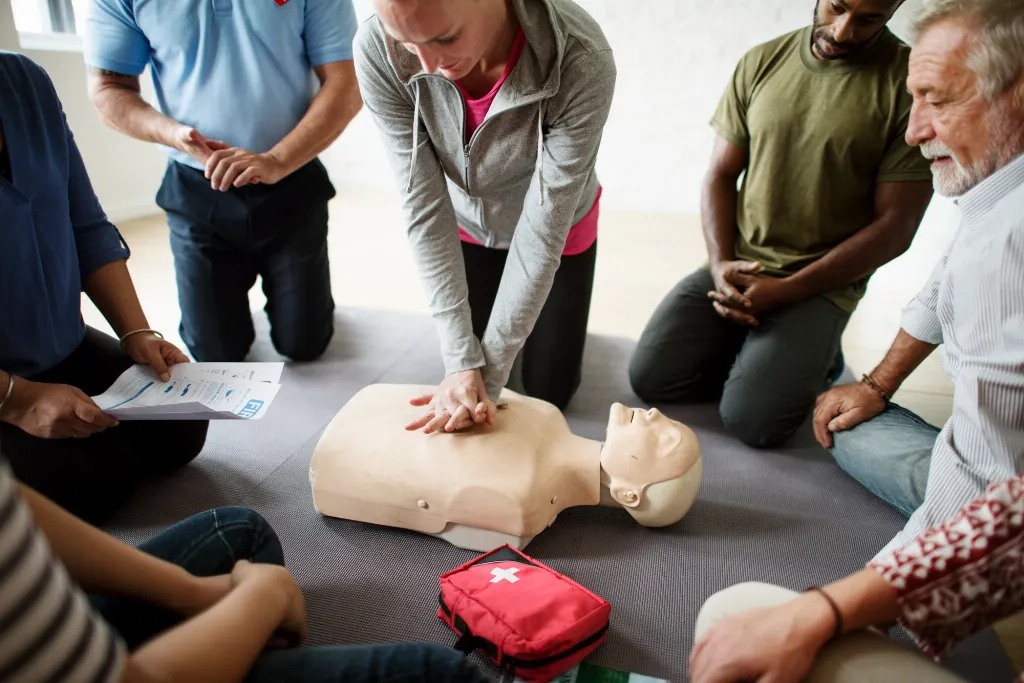
 Fast first aid skills training gives child care staff quick, lifesaving tools they can use right away. This short guide explains what happens in a fast course, how to get ready, why quick practice matters, and how to avoid common mistakes. It uses easy steps and real links to help you plan training for your team. This training boosts #firstaid, #CPR, #safety, #training, and #children readiness in your program.
What will I learn in a fast first aid skills training?
Fast first aid skills training focuses on the most important actions you will need in an emergency. Expect clear, short lessons and hands-on practice. Typical topics include:
- Airway, Breathing, Circulation basics (the ABCs) with child-specific steps. See a quick overview at ChildCareEd's ABCs of First Aid.
- CPR for infants and children and how to use an AED.
- Choking response for babies and older children.
- Basic first aid for cuts, burns, bleeding, and sprains.
- How to spot and act on allergic reactions, seizures, asthma, and diabetic emergencies.
These fast trainings often use a blended format: a short online lesson plus a skills check with a trainer. For example, ChildCareEd offers a blended Pediatric First Aid & CPR/AED that pairs online learning with a hands-on skills session (Pediatric Blended First Aid & CPR/AED Buy Now $85.00$80.00).
How is a fast course organized and how should my team prepare?
Fast courses are built to fit busy schedules and to give hands-on practice fast. A common structure is:
- Online learning (brief modules to read or watch).
- In-person or skills verification session with manikins and practice.
- Short test or demonstration to show competency.
To prepare your team:
- 😊 Complete any online modules before the in-person session so hands-on time is focused. ChildCareEd explains how the blended model works and what to expect on their course page (Pediatric Blended First Aid & CPR/AED Buy Now
$85.00$80.00). - 📝 Bring photo ID and any paperwork the trainer asks for. Read the course instructions in advance (Preparing for your First Aid & CPR Training).
- 🚪Arrive on time and wear comfortable clothes for kneeling and practice.
- 🔁 Plan a quick team review after the course so everyone knows who will do what in an emergency.
Remember: state requirements vary - check your state licensing agency. Many programs (including ChildCareEd) list which state agencies accept their course, so you can be sure your training meets local rules (course details Buy Now $85.00$80.00).
Why does fast practice matter — and why should my program do monthly refreshers?
Speed saves lives. The first minutes after an emergency are critical. Quick, practiced actions keep a child breathing and stable until help arrives.
How to make quick practice work at your site:
- 🕒 Do short practice sessions: 10–20 minutes once a month works well. ChildCareEd suggests monthly practice and short drills to keep skills sharp (Aid CPR skills every provider should practice).
- 📋 Focus each month on one skill (compressions, choking, AED steps, or bandaging).
- 👥 Run quick role-play team drills: who calls 911, who gets the kit, who stays with the other children.
- 🔎 Check supplies at the same time — gloves, face shields, bandages, AED pads — so equipment is ready (First Aid Kit Checklist Buy Now $0.00).
These short practices reduce panic and help staff act clearly. They also support licensing rules and parent trust. For ideas and a simple monthly plan, see ChildCareEd's monthly practice guide (monthly practice).
What common mistakes happen and how can we avoid pitfalls? (Plus FAQs)
Common mistakes to avoid:
- ❗ Assuming one training is enough. Skills fade—practice monthly.
- ❗ Not checking supplies. Empty kits or expired meds block fast care. Use a checklist like ChildCareEd's (First Aid Kit Checklist Buy Now $0.00).
- ❗ Confusion about roles in an emergency. Practice who calls 911, who keeps other children safe, who performs care.
- ❗ Skipping pediatric specifics. Children need different compression depth and choking steps—train for the right ages (CPR for child care providers).
How to avoid pitfalls:
- ✅ Use blended courses so online time covers rules and hands-on time is practice (blended course Buy Now
$85.00$80.00). - ✅ Log training dates, who attended, and drill notes. Keep certificates on file.
- ✅ Include family permissions and medical plans for kids with conditions (asthma, allergies, diabetes).
FAQ
Q: How long does a fast course take?
A: Often 1–3 hours online plus 30–90 minutes for skills. Blended formats vary by provider (see blended options Buy Now $85.00$80.00).
Q: Do we get a certificate?
A: Yes. Most trainings give a 2-year certificate when you pass the skills check (check your provider).
Q: Who must be certified?
A: Many states require at least one trained staff on site. state requirements vary - check your state licensing agency.
Q: Can we use in-house trainers?
A: Yes if they are qualified and courses meet your state rules and the certifying body's standards.
Conclusion
Fast training gives the most important skills in a short time. It works best when paired with monthly practice, good supplies, and clear staff roles. You can build confidence and safety one short practice at a time.
For child care–focused courses and resources, visit ChildCareEd for course details and free tools (ChildCareEd resources), and consider Red Cross or other recognized providers for additional options (Red Cross blended course).
- Adult/Child/Infant CPR AED and Adult First Aid Blended
- Adult Only CPR AED and Adult First Aid Blended
- Pediatric Blended First Aid & CPR/AED Adult, Child, Infant
- Pediatric RSV First Aid & CPR/AED
- Pediatric In-Person First Aid & CPR/AED Adult, Child, Infant
- Adult First Aid Only - Blended
- Texas Director Credential
- Pediatric and Adult First Aid and CPR Certification
- First Aid and CPR Certification: What to Expect from Your Training Course
- New Hire Timeline for Georgia Daycares: A ‘First Week’ Checklist for Directors
- ¿Cuánto tiempo se tarda en obtener una certificación CDA?
- Fast First Aid Skills Training: What to Expect
- ¿Cómo pueden los equipos de cuidado infantil practicar habilidades rápidas de primeros auxilios en situaciones reales?
- Regulaciones de Licenciamiento de Cuidado Infantil en California para Centros y Hogares de Cuidado Infantil Familiar
- Lista para Guardería en Casa en Texas: Cómo Iniciar una Guardería en el Hogar
- How to Work in Childcare in Nevada: Requirements and Steps
- Are We Ready? CPR and AED Preparedness for Florida Early Childhood Educators
- What CPR and AED skills should every Nevada child care educator know?
- Babysitting Training Online: How to Build Skills, Safety, and Confidence
- Daycare Training Hours in California: How Many Do You Need?
- What You Need to Work at a Daycare Without Experience
- How to Become a Childcare Worker in Alaska: Requirements and Steps
- How to Become a Childcare Worker in Oregon: Requirements and Steps
- Montessori Assistant Requirements: What Training Do You Need to Get Hired?
