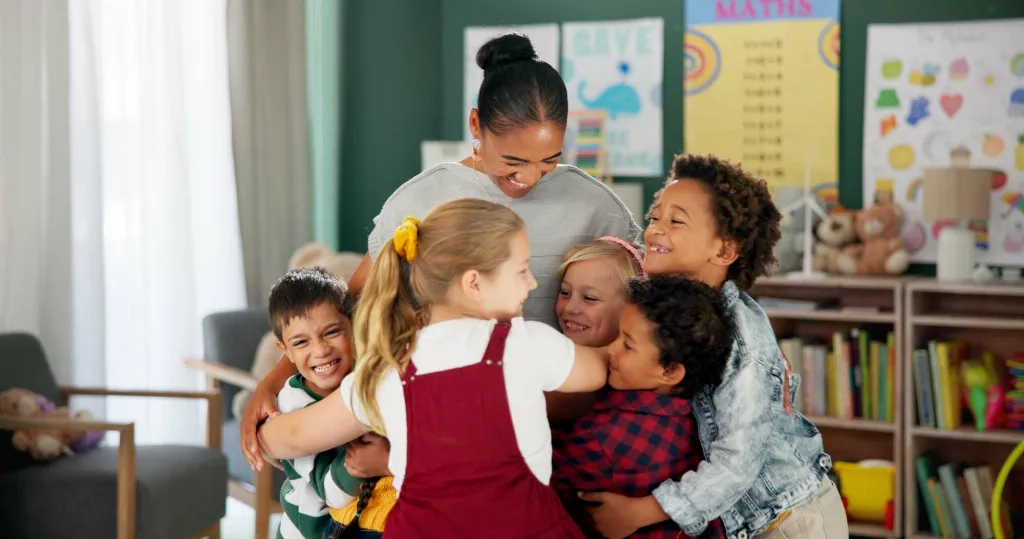
 A positive classroom climate helps children feel safe, seen, and ready to learn. In your #classroom with #children simple choices—clear routines, kind words, and warm adults—make big differences. This short guide helps child care providers and directors understand what a positive climate is, why it matters, and practical steps you can try this week. For more ideas and checklists see Creating a Positive and Calm Classroom Environment.
Remember: state requirements vary - check your state licensing agency.
Why does a positive classroom climate matter?
1) A positive climate lowers stress. Children who feel safe pay attention more and take healthy risks in learning. Research summaries show that social-emotional support and a warm climate help children’s brain development and school success; see examples from OECD and public health guidance like the CDC.
2) A positive climate improves behavior and learning. When adults teach skills (not only punish), children learn self-control, cooperation, and problem solving. ChildCareEd explains how routines, guidance, and relationships create calmer classrooms in How can we create a positive classroom climate? and How can we build a positive learning environment?.
What does a positive classroom climate look like each day?
1) Clear, predictable routines. Post a picture schedule at child height for arrival, play, snack, and circle. Children feel calmer when they know what comes next. See practical routine ideas at Creating a Positive and Calm Classroom Environment and transition tips in ChildCareEd resources.
2) Thoughtful room design. Arrange learning zones (reading, blocks, art, calm corner) and label shelves with pictures so children can find and return materials. The CSEFEL brief on environmental strategies explains how room choices boost positive play: Using Environmental Strategies. Also consider the Environment Rating Scales for quality ideas: Environment Rating Scales.
3) Calming spaces and tools. A cozy corner with books, a feelings chart, soft light, and a few fidgets helps kids learn to self-regulate. Teach the calm corner steps when children are calm so they know how to use it when upset.
4) Simple classroom rules and jobs. Teach 3 or fewer positive rules (for example: “Hands are for helping,” “Walking feet,” “Use kind words”). Use photos and practice the rules during circle time. Building rituals—like morning greetings—creates community and belonging; see How to Build Community.
5) Check and tweak. Walk the room, notice where problems happen, and change furniture, group sizes, or materials. Small changes often stop repeated problems before they start.
How can teachers use positive guidance and discipline to teach skills?
1) Use calm, short phrases. When behavior starts, get close and say one simple thing: name the feeling, set a limit, and offer a replacement skill. Example steps:
- 🧘 Stay calm and get near the child.
- 🗣️ Name the feeling: “You look frustrated.”
- 🚦Set a simple limit: “Hands are for helping.”
- 🛠 Offer the next step: “Show me gentle hands” or “Use your words.”
2) Praise specifically. Say what the child did right: “You waited your turn—thank you!” Specific encouragement helps the behavior repeat. ChildCareEd has helpful language and examples in Positive Discipline and guidance articles.
3) Use logical, related consequences. Consequences should teach and be related to the behavior (for example, helping fix something broken). Avoid long public shaming; focus on repair and learning.
4) Collect simple data if behavior repeats. Note time, place, and what happened. Team-based tools like PBIS and CSEFEL help programs design consistent supports; see ChildCareEd and the CSEFEL briefs for step-by-step ideas.
5) Teach emotion skills. Use feelings charts, breathing activities, and short lessons that practice asking for help or taking turns. These build lifelong skills.
How can staff, families, and leaders keep the climate strong?
1) Work as a team. Talk with families often. Share one strength and one small goal at drop-off or in a note. Use the same words at home and school so children hear consistent messages. ChildCareEd suggests simple shared plans and family partnership ideas in How can we build a positive learning environment?.
2) Use trauma-aware practices. Keep routines steady, offer choices, and teach calming skills. When trauma affects a child, steady routines and kind adults help them re-learn trust. See trauma-informed steps at How can we create a positive classroom climate?.
3) Build staff support. Warm adults make warm rooms. Schedule short team check-ins, share wins, and offer coaching. Directors can use walk-throughs and the ChildCareEd tools to support teachers.
4) Ask for help early. If behavior keeps interfering with learning, collect simple notes and consult a specialist—special education or mental health consultants can help design supports. For broader program supports, see the CSEFEL and PBIS resources.
5) Common mistakes and fixes:
- 😵 Too many rules → Fix: Teach 3 or fewer rules with pictures.
- 😶 Long lectures for big moments → Fix: Use short calm phrases and proximity.
- ⚠️ Inconsistent responses across staff → Fix: Pick one script and practice together.
Remember: state requirements vary - check your state licensing agency. Work together, stay kind and consistent, and focus on small, steady improvements.
Conclusion
A positive classroom climate grows from clear routines, caring adults, thoughtful spaces, and teaming with families. Start small: pick one routine to practice, one space to tweak, and one short phrase staff will use. Use the ChildCareEd articles and tools linked above for checklists and training. With steady work your #classroom will be a place where #children thrive because strong #routines, kind #guidance, and warm #relationships are part of every day.
- Solutions NOT Punishments
- CDA Home Visitor Subject Area 3 Part 3 Birth to 5
- Social Foundations and Responsive Classrooms
- Early Emotional Wellness
- Bienvenido! Welcoming All Families
- Super Special School Agers
- Classroom Setup for Child Care
- Connections That Count: Building Relationships in Child Care
- Environments That Inspire Independence and Exploration
- Every Moment Matters: Schedules and Transitions
- Sweet Home Alabama: How Can You Create Classroom Harmony.
- Qué capacitación se requiere para ser director de cuidado infantil en Texas?
- Que es Título 22 en California?
- Regulaciones de Licenciamiento de Cuidado Infantil en California para Centros y Hogares de Cuidado Infantil Familiar
- ¿Cuál es la Diferencia Entre la Crianza Respetuosa y la Crianza Permisiva?
- Ejemplos de Crianza Respetuosa vs. Crianza Permisiva
- How can North Dakota childcare workers use positive discipline every day?
- What Is a Positive Classroom Climate?
- Classroom Climate: How Teachers Can Build a Positive Environment
- Building a Classroom Climate That Supports Learning and Behavior
- How Can Arizona Preschool Programs Best Understand Temperament and Behavior?
- How can school-age childcare programs prevent bullying?
- What small changes make child care classrooms feel more welcoming?
- What Small Teacher Habits Do Children Notice the Most?
- Talk, Listen, Connect: Build Stronger Child Care Relationships in 9 Hours
- Attention Signals: Which Ones Work Best for Toddlers, Preschoolers, and School-Age Kids?
- How Can Child Care Providers Build Positive Teacher-Child Relationships?
- How Can Daycare Leaders Foster a Positive Work Culture Among Teaching Staff?
- What Are Positive Guidance Strategies in Early Childhood Education?
- When Adult Frustration Sets the Tone for the Whole Classroom, What Can Child Care Teams Do?
