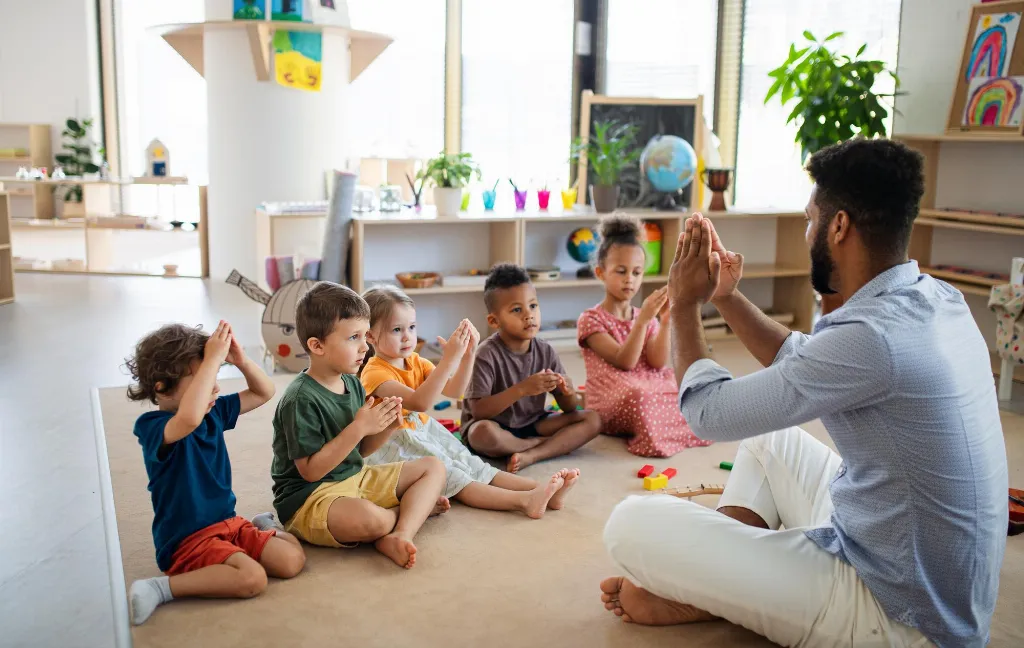
 Start here: small changes make big differences. Build a warm, predictable space so your #classroom feels safe and kind. When teachers work as a team and use simple steps, #children learn better, feel calmer, and behave in ways that help everyone.
For practical ideas, see Creating a Positive and Calm Classroom Environment and Creating a Positive Learning Environment.
Why does classroom climate matter?
A positive climate helps children feel safe and ready to learn. When kids know the routine, they worry less and join activities more easily. Research and practice show that calm, caring classrooms improve focus and social skills.
See ideas at How can we create a positive classroom climate?.
- 😊 Safety and belonging let children focus.
- 📚 Predictable days save time and reduce conflict.
- 🤝 Strong teacher-child bonds make guidance work.
How do routines and classroom design support learning and behavior?
1) Use simple daily routines so children know what to expect. Make a visual schedule at child eye level. Post pictures for arrival, centers, snack, and circle time. This reduces worries and helps transitions—see Creating a Positive Learning Environment.
2) Arrange the room in clear zones: reading, blocks, art, quiet corner. Use child-sized furniture and open bins at child height so kids can make choices and help put things away. Small changes can improve independence and reduce crowding. For tips on design, see How Does Classroom Design Impact Behavior and Learning?.
3) Use consistent transition cues: a song, bell, or a two-minute warning. Short warnings help children get ready and cut down on running or shouting.
4) Create a calm corner with soft lighting, a few books, feelings visuals, and self-regulation tools. Calm spots give children a place to practice calming skills.
5) Low-cost steps to try this week:
- 🧹 Declutter one shelf and label bins with pictures.
- 🪑 Move furniture so staff can always see children.
- 📋 Make or refresh a visual schedule.
- ✨ Add one cozy rug or cushion for a calm area.
State requirements vary - check your state licensing agency when you change furniture, cot spacing, or safety items.
What positive guidance strategies help children learn self-control?
1) Teach skills before problems happen. Proactive guidance means planning to prevent problems. Use short, kind directions and show children what to do instead of only saying “no.” For ideas, see Proactive Behavior Guidance.
2) A simple 4-step response to big feelings:
- 🧘 Stay calm and get close. Calm adults help calm children.
- 🗣 Name the feeling: “You look upset.” That teaches emotion words.
- 🚦Set a clear limit: “Hands are for helping.” Say what to do.
- 🛠 Teach the next step: “Show me gentle hands” or “Use your words.”
3) Use behavior-specific praise often. Say exactly what the child did right: “Thank you for using walking feet.” Studies show increasing positive statements helps a lot (teacher praise research).
4) Teach calming tools: deep breaths, counting, feelings charts, and a cozy corner with calming items. CSEFEL and Pyramid Model materials offer scripts and visuals you can use (CSEFEL resources).
5) When behavior is frequent or intense, gather simple data (what happens first and after) and team with specialists. The Pyramid Model and PBIS link well with classroom practices (Pyramid Model).
How can staff, families, and systems work together—and what common mistakes should we avoid?
1) Partner with families early and kindly. Share one strength and one small goal. Ask what works at home. Invite families to use the same phrases and routines so children get consistent messages across places. ChildCareEd suggests shared plans and family communication tools (see guidance).
2) Build staff teams. Use brief coaching, shared scripts, and routine check-ins so everyone responds the same way. Strong staff wellness supports calm classrooms.
3) Use trauma-informed practices: keep routines steady, offer choices, and teach calming skills. For ideas, see Calm Classroom tips.
Common mistakes and how to avoid them:
- 😵 Too many rules. Fix: Teach 3 or fewer simple, visual rules.
- 😶 Long lectures during behavior moments. Fix: Use short phrases and calm proximity.
- ⚠️ Inconsistent staff responses. Fix: Pick one script for limits and one routine program-wide.
- 🔍 Waiting too long to ask for help. Fix: Collect quick notes and consult early.
FAQ
- Q: How many rules should we teach? A: Three or fewer, with pictures and practice.
- Q: What if a child keeps hurting others? A: Keep everyone safe, use clear limits, teach replacements, and bring in supports.
- Q: How can directors help teachers? A: Offer short coaching, shared phrases, and time to reflect.
- Q: Do these ideas work for infants and toddlers? A: Yes — use simpler language, more visuals, and brief routines.
- Q: Where can we learn more? A: ChildCareEd courses like Classroom Management is Collaboration!
 Buy Now $16.00 and CSEFEL materials are practical places to start.
Conclusion
1) Start small: pick one routine, one space change, and one common phrase for staff. 2) Use visuals, calm design, and specific praise. 3) Partner with families and ask for help early when behavior keeps getting in the way. With steady steps, your #classroom becomes a place where #children grow with strong #relationships, clear #routines, and kind #guidance.
For ready tools and checklists, visit ChildCareEd resources like Creating a Positive and Calm Classroom Environment and Creating a Positive Learning Environment.
- CDA: A Closer Look at Assessments
- Leveling the Playing Field: ERSEA for Head Start
- Professional Presence in Early Childhood
- CDA Infants/Toddlers: Health and Safety
- CDA Infants/Toddlers: Abuse and Neglect Reporting Requisites
- CDA: Special Needs: Understanding the Whole Child
- Connections That Count: Building Relationships in Child Care
- Environments That Inspire Independence and Exploration
- Back-to-School Success: Essential Skills & Strategies for Childcare Professionals
- CDA Certification en Español: Recursos y Consejos para Educadores Bilingües
- 🏡🗣️ ¿Cómo hablo con los padres sobre los comportamientos que su hijo aprendió en casa?
- 🥺👋 ¿Por Qué la Despedida de la Mañana es Tan Emocional?
- 😅❌ ¿Cómo Puedo Manejar a un Niño que Dice “¡NO!” a Todo en el Aula?
- Apoyo en Español para Capacitaciones Grupales Presenciales y por Zoom en Cursos Selectos
- Actividades de Otoño Fáciles para Preescolares esta Temporada
- Canciones, juegos y preguntas de círculo para niños
- What Is a Positive Classroom Climate?
- Classroom Climate: How Teachers Can Build a Positive Environment
- Building a Classroom Climate That Supports Learning and Behavior
- How Can Arizona Preschool Programs Best Understand Temperament and Behavior?
- How Can We Support Toddler Independence Without Overwhelming Them?
- How Can Child Care Providers Build Secure Attachments with Infants?
- How can school-age childcare programs prevent bullying?
- How Can Thoughtful Design Create Calm Classrooms?
- How Can Early Childhood Educators Build Personal and Professional Resilience?
- What Makes a Great Home Daycare? 10 Things Parents Notice First
- ¿Todos los niños deben participar en el tiempo de círculo?
