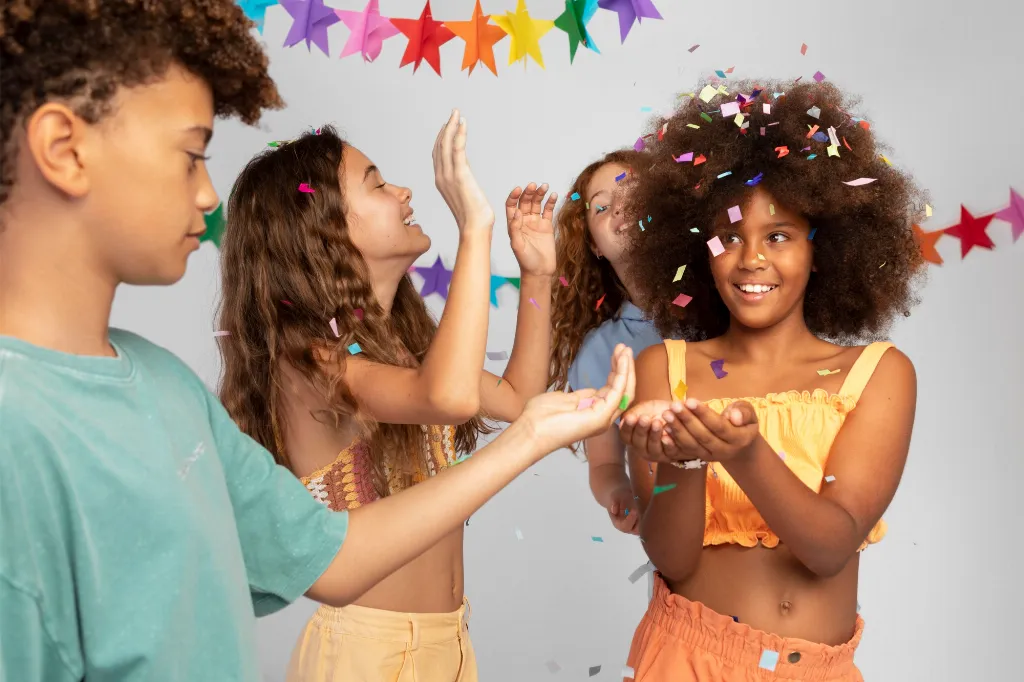
 A ready-made #fiesta can bring joy, learning, and community to your classroom. This short guide gives easy, low-cost activities for preschool and early elementary children that are fun, safe, and tied to learning goals. Use materials you already have, invite family voices, and pick a few stations so the day stays calm and organized. These ideas work for a short celebration or a week of themed learning. For more classroom-ready lists, see 7 Fiesta-Fueled Classroom-Friendly Activities and Cinco de Mayo in the Classroom: Mini Piñatas, Big Smiles.
What easy classroom fiesta activities can we set up?
Keep it simple and rotate stations. Try 3–6 short stations so children stay engaged. Below are classroom-friendly ideas you can do with small groups. These build skills and are low-cost.
🎨 Make mini piñatas (cardboard + tissue paper). Fill with small toys or healthy treats. See a how-to and classroom uses at ChildCareEd. #crafts
🥁 Build egg maracas (plastic eggs + rice/beans). Great for music and movement time—simple, quiet, and fun. ChildCareEd lists this in their fiesta activities: Fiesta-Fueled Activities.
✂️ Create papel picado and tissue-paper flowers. These brighten the room and practice scissor skills. (Use pre-cut templates for younger children.)
🎶 Have a music & dance station. Teach a short dance or play Latin rhythms. See music ideas in the Montessori music fiesta resource: Montessori Music Fiesta Buy Now $0.00. #music
🌮 Host a taco or snack bar with healthy choices (whole-grain tortillas, veggies, fruit). Let children assemble simple items to practice sequencing and choice-making. For healthy celebration tips, see ChildCareEd. #snacks
🎲 Play Lotería (bingo) to teach vocabulary and matching. It’s a calm, language-rich game.
📚 Story station with bilingual books or short picture books. Invite a family member to read in English and Spanish.
♻️ Craft with recycled materials—cardboard guitars, tambourines, or sombrero place cards. For ideas on using recycled materials, see Beautiful Junk.
Tips: rotate children, use visual timers, and keep adult helpers at each station. Small groups help with behavior and learning.
How can we make fiesta activities respectful and culturally accurate?
Celebrations should honor real culture and avoid stereotypes. Simple facts and family voices make the difference. ChildCareEd emphasizes respectful, fact-based activities in their guide: Celebrate Cinco de Mayo With Fun Child Care Activities.
Do this in 5 steps:
- 🧾 Teach one clear fact: Cinco de Mayo remembers the Battle of Puebla (not Mexico’s Independence Day). Keep explanations brief and age-appropriate.
- 📚 Use quality books and materials. Add bilingual books to your library to honor home languages (see a list idea at Scholastic).
- 🤝 Invite families to share songs, foods, or stories. Family voices make learning accurate and meaningful.
- 🚫 Avoid caricatures, costumes that mock, or activities that rely on stereotypes. Focus on music, art, food, and real traditions.
- 🔗 Link activities to learning goals (vocabulary, fine motor, counting, geography), not just party fun.
Why it matters: respectful festivals teach children to value people and culture. They build empathy, truthfulness, and curiosity. State requirements vary - check your state licensing agency. Using family and community voices helps keep celebrations accurate and welcoming.
How do we run a safe, healthy, and manageable fiesta?
Planning keeps the day calm and fun. Use a simple schedule, check allergies, and choose healthy snack swaps. ChildCareEd suggests a short plan: welcome circle, two stations, snack, story, and cleanup—this keeps transitions smooth: Read more.
- 📅 Make a schedule and share it with staff and helpers (1–2 activities per child works best).
- 🍎 Healthy snacks ideas:
- Fresh fruit skewers
- Yogurt parfaits
- Guacamole with whole-grain chips
- ⚠️ Safety steps:
- Check each child’s allergy record and label foods.
- Cut grapes and cherry tomatoes to prevent choking.
- Supervise active games (piñata swings, dance areas).
- 🧰 Use low-mess materials and prep kits (pre-cut paper, pre-filled maracas) to save time.
- 👥 Assign roles to staff/volunteers: station lead, snack helper, crowd manager, and photographer.
Common mistakes and how to avoid them:
- Rushing too many activities — pick 3 top stations and rotate.
- Ignoring allergies — always double-check labels and have alternatives.
- Overcrowding — use small groups or stagger times.
Remember: state requirements vary - check your state licensing agency for food and activity rules.
How do fiesta activities support learning and assessment?
Use fiesta fun to meet goals in many areas. Tie each activity to 1–2 skills and use quick observations to document learning. ChildCareEd resources link crafts and music to skills—see their activity packs and music fiesta guide: Montessori Music Fiesta Buy Now $0.00 and general fiesta activities at Cinco de Mayo Activities for Children Buy Now $0.00.
- Social studies & community:
- Map where Mexico is, point to your city, and discuss community traditions.
- Language & vocabulary:
- Teach simple words (hola, gracias, baile, música). Play Lotería for picture-word matching.
- Math & science:
- Measure materials for a piñata, count beats in a song, sort toppings at the taco bar.
- Fine motor & art:
- Cutting papel picado, gluing flowers, and decorating instruments build hand strength.
- SEL (social-emotional learning):
- Invite sharing, teamwork on group crafts, and calm-down music for transitions.
Quick assessment ideas (use a clipboard and check marks):
- Who followed 2–3 steps in a craft?
- Who used new vocabulary words during play?
- Who worked cooperatively in a group?
Keep notes short—one line per child—and use them to plan next steps.
Conclusion
Fiesta activities are joyful ways to build skills, community, and respect. Pick a few well-planned stations, invite family voices, focus on real culture, and keep safety and health front and center. For ready-to-use ideas and printable packs, visit ChildCareEd’s fiesta resources like 7 Fiesta-Fueled Activities and their classroom piñata guide: Mini Piñatas, Big Smiles.
FAQ
Q: How long should a classroom fiesta last?
A: 30–60 minutes for young children; rotate stations in 15–20 minute blocks for groups.
Q: Can we do food if children have allergies?
A: Yes—offer labeled alternatives, avoid common allergens like peanuts, and follow your allergy plan.
Q: How do we include families?
A: Invite family members to lead a song, share a recipe, or read a story—short, 5–10 minute contributions work best.
Q: Are piñatas safe indoors?
A: Use mini piñatas hung low or have an outdoor swing area with safety rules and close supervision.
Have fun, keep it respectful, and celebrate learning. #culture #fiesta #crafts #music #snacks
- Beyond the Classroom: Connecting Families to Essential Services
- CDA Infants/Toddlers: Health and Safety
- Birth to Five CDA Credential with Portfolio Review
- CDA Infants/Toddlers: Abuse and Neglect Reporting Requisites
- Potty Training Made Simple
- 45-Hour Infant and Toddler Curriculum
- CDA Infants/Toddlers: Classroom Setup
- CDA Infants/Toddlers: Brain Development and Gene Expression
- CDA Infants/Toddlers: Stages of Development
- CDA Infants/Toddlers: Smart Nutrition & Feeding
- Labor Day Activities
- Memorial Day Activities
- Juneteenth History and Activities
- 7 Fiesta-Fueled Classroom-Friendly Activities
- Celebra El Cumpleaños de Dr. Seuss En Tu Guardería Con Actividades Fáciles y Divertidas!
- ¿Cómo hacer actividades navideñas inclusivas para todas las familias?
- Celebrate Cinco de Mayo With Fun Child Care Activities
- ¿Cómo puedo enseñar habilidades de primeros auxilios con escenarios de juego de roles?
- ¿Cómo afecta la dopamina a los niños: señales, efectos e influencias diarias?
- Actividades de Motricidad Gruesa que Desarrollan el Equilibrio, la Coordinación y la Fuerza
- Fiesta Activity Ideas for Preschool and Elementary Kids
- Actividades de Fiesta para Niños de Preescolar y Primaria
- Cinco de Mayo Crafts and Activities for Preschool and Daycare
- How to Celebrate Cinco de Mayo in Your Center or Daycare
- Creative National Ice Cream Day Ideas for the Classroom
- Mexican-Themed Activities That Teach Culture and Creativity
- First Aid Lessons for Kids: Simple Skills They Can Learn
- How can child care programs celebrate Latin rhythms and culture with young children?
- How can childcare programs meaningfully explore Japanese culture with young children?
- How can I turn viral crafts into real learning activities?
