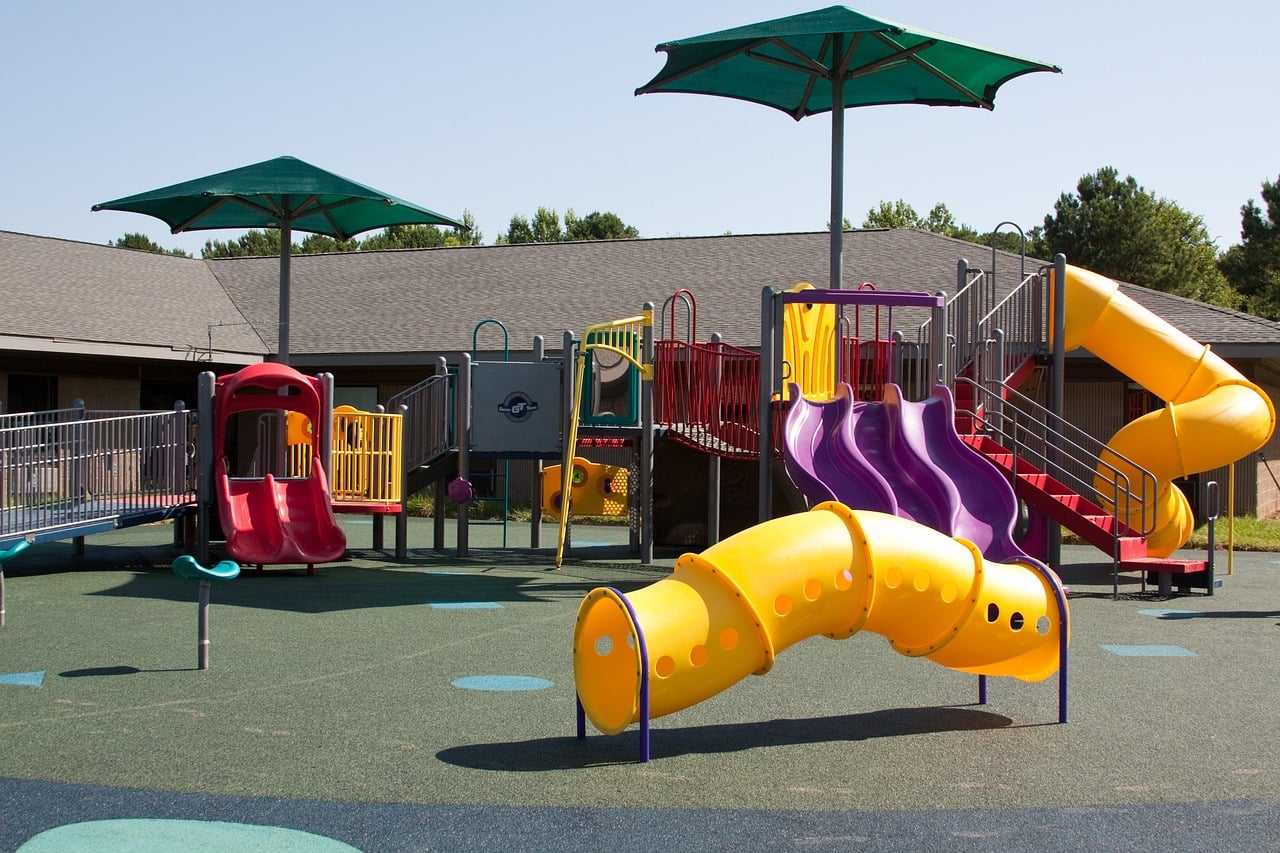
 Child care is busy. Children move fast. That is why active supervision matters every single day. In Texas, strong supervision is also a key part of meeting child care rules and keeping children safe. #ActiveSupervision #TexasChildCare #ChildSafety
What is active supervision in child care?
Active supervision means you are not just “watching.” You are watching, listening, moving, and interacting so you can stop problems before they happen.
Active supervision is a safety strategy used in classrooms, family child care, playgrounds, and more.
Active supervision looks like this:
-
You stay close enough to help quickly
-
You scan the whole area again and again
-
You count children often
-
You talk with children and guide them
Why is active supervision so important in Texas?
Texas child care programs are monitored by Texas Health and Human Services (HHS) Child Care Regulation. Their goal is to protect children’s health and safety.
Texas rules also explain what “supervise children at all times” means. In simple words, it includes:
-
Knowing what each child is doing
-
Using visual and auditory awareness (seeing and hearing)
-
Staying close enough (physical proximity)
-
Being able to step in right away to keep children safe
So active supervision is not “extra.” It supports what Texas expects caregivers to do every day.
What are the 6 strategies of active supervision?
A common way to teach active supervision is with six simple strategies. Head Start shares these strategies as a clear system staff can follow.
Here they are in kid-caregiver language:
-
Set up the environment: Arrange furniture and materials so you can see and reach children.
-
Position staff: Stand or sit where you can see the most children (especially near doors, water, climbing, or blind spots).
-
Scan and count: Sweep your eyes across the whole area and count children often.
-
Listen: Use your ears too—listen for changes like crying, silence, or shouting.
-
Anticipate children’s behavior: Think ahead. “What might happen next?” Move closer before there is a problem.
-
Engage and redirect: Talk with children, join play, and guide them toward safe choices.
Want a quick visual reminder for your classroom? Print this ChildCareEd poster:
https://www.childcareed.com/r-00608-active-supervision-poster.html Buy Now $0.00
How do I implement active supervision step by step?
Active supervision works best when it becomes a routine, like washing hands. Try this simple plan:
1) Plan your “hot spots”
Hot spots are places where injuries happen more often, like:
-
Doors and gates
-
Bathrooms and diaper areas
-
Playgrounds and climbing areas
-
Art areas (small tools)
-
Meal times (choking risks)
2) Use “zones”
Divide your room or playground into zones. Each adult “owns” a zone.
-
Zone A: blocks and dramatic play
-
Zone B: art and sensory table
-
Zone C: reading corner and puzzles
This helps everyone know who is watching which children.
3) Practice scan + count
Try counting:
-
When you enter a new area
-
Before and after transitions
-
Every few minutes on the playground
-
When a child leaves for the bathroom and returns
4) Stay engaged
Engagement is a safety tool. When adults are close and talking with children, children are less likely to:
-
climb where they shouldn’t
-
run indoors
-
hit or grab
-
wander away
What are examples of active supervision (indoors, outdoors, and transitions)?
Here are real-life examples you can use right away:
Indoors (centers and homes)
-
You place shelves at a height where you can see over them.
-
You sit near the block area because you know towers can fall.
-
You walk the room instead of staying in one chair.
Outdoors (playground time)
-
One adult stands near climbing equipment.
-
Another adult stands where they can see the gate and the far corner.
-
Adults scan, count, and move closer when play gets rough.
Transitions (the trickiest times!)
-
Before lining up, you count children.
-
You walk with the group—not behind the group on your phone.
-
You keep children in sight during bathroom breaks.
What are the biggest “do’s and don’ts” of active supervision?
These quick reminders help staff stay consistent.
Do
-
Do stay within quick reach of young children
-
Do face the group (not the wall)
-
Do scan and count often
-
Do move to prevent problems (don’t wait)
-
Do use simple safety words: “Feet on the floor.” “Walking feet.” “Hands to yourself.”
-
Do share supervision roles clearly (zones)
Don’t
-
Don’t sit in a spot where you cannot see the whole area
-
Don’t turn your back on active play
-
Don’t get distracted by phones, long chats, or paperwork during supervision
-
Don’t assume “they are fine” because it is quiet
-
Don’t leave children with someone who is not approved to supervise (like an untrained volunteer)
Why should Texas providers take training on supervision?
Even strong caregivers can miss things when the day is busy. Training helps you build a clear system—so your whole team does supervision the same way.
Training is helpful because it can:
-
Reduce injuries and close calls
-
Improve playground and transition safety
-
Help staff understand what “supervision at all times” should look like in real life
-
Build a “culture of safety” where everyone supports each other
Here is a ChildCareEd training that match this topic:
-
A Watchful Eye: Supervision in Early Childhood
https://www.childcareed.com/courses-a-watchful-eye-supervision-in-early-childhood.html
If you’d like a deeper read (with strong reminders and real examples), check out this related ChildCareEd article:
https://www.childcareed.com/a/active-supervision-the-only-way-to-care-for-children.html
How can I help my whole team do active supervision every day?
Try these simple habits:
-
Put the Active Supervision poster near the door, playground exit, and staff area:
https://www.childcareed.com/r-00608-active-supervision-poster.html Buy Now $0.00 -
Use a 2-minute “safety huddle” before children arrive:
-
“Who has which zone?”
-
“Any new children today?”
-
“Any hot spots we should watch?”
-
-
After outdoor play, ask one question:
-
“What went well, and what should we change tomorrow?”
-
These small steps make supervision stronger every day—without adding stress.
Want more safety tips and trainings?
Follow ChildCareEd on Instagram for quick reminders, posters, and child care safety ideas:
https://instagram.com/childcareed
When you practice active supervision as a team, children stay safer—and your day runs smoother. #ChildCareSafety
