Why can diapering be a #learning moment (not just a task)?
In child care, diapering happens many times a day. It’s easy to think, “Let’s get it done fast.” But diapering can be a powerful time for connection, #language, and healthy habits—especially for infants and #toddlers.
When you change a diaper with calm attention, you are teaching a child:
- “My body is safe.”
- “Adults help me.”
- “I can understand words and routines.”
- “Clean hands and clean spaces #matter.”
That’s a big lesson for a small person. #InfantToddler
How does diapering build connection and trust?
Diapering is close-up care. Children notice your face, voice, and touch. Even if the child cannot talk yet, they are learning: “Does my #teacher respond kindly?”
Simple ways to build a connection
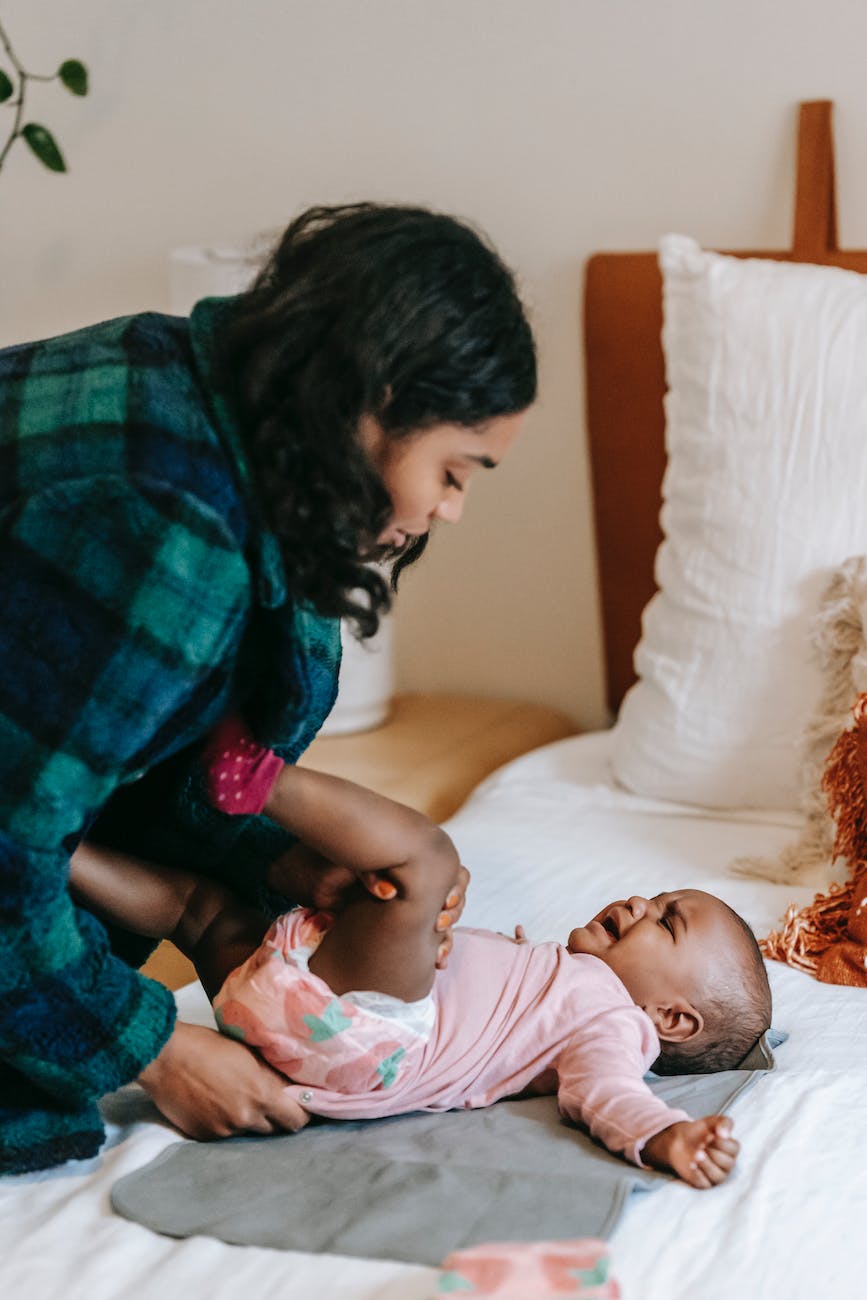
- Get to the child’s eye level and smile.
- Use the child’s name.
- Move slowly and gently.
- Keep one hand on the child for safety.
- Respond to cues (wiggling, fussing, reaching).
Try short, caring phrases:
- “I’m here with you.”
- “I’m going to help your body feel clean and comfy.”
- “All done soon.”
ChildCareEd also shares how care moments like diaper changes can support bonding and language when teachers stay present and responsive.
What should you say during diapering to build #language-skills?
Diaper time is perfect for language because it’s one-on-one and predictable. Keep your words simple (great for non-native English speakers, too).
Use “narration” (talk about what you’re doing)
- “Pants off.”
- “Wipe. Wipe.”
- “Clean.”
- “New diaper.”
- “All done!”
Name body parts in a #respectful way
Use correct, simple words (check your program policy and family preferences):
- “Belly.”
- “Leg.”
- “Bottom.”
- “Vulva/penis” (some programs encourage correct terms; follow your policy.)
Add #early-learning without turning it into a “lesson”
- Counting: “One wipe… two wipes…”
- Colors: “Blue diaper.”
- Choices (toddlers): “Do you want to hold the wipes or hold your pants?”
If you want more health and hygiene training that supports daily routines like diapering, this course is a strong fit: Shoo, Germs! Don't Bother Me!  Buy Now $24.00
How do you keep diapering safe and hygienic every single time?
Diapering can spread germs fast if steps get skipped. That’s why having a routine #matters. CDC recommends key hygiene steps like preparing supplies, cleaning the child, cleaning the surface, and washing hands.
Quick hygiene reminders
- Gather supplies first (so you don’t step away).
- Keep one hand on the child for safety.
- Use gloves if required or recommended by your program.
- Clean and disinfect the diaper surface after each use.
- Wash your hands after every diaper change.
This protects children and staff. #HealthAndSafety
What is a step-by-step diapering routine that prevents germs?
Here’s a clear routine based on common child care best practices (and aligned with CDC guidance).
1) Prepare
- Wash your hands (if required before the change).
- Cover the changing surface with a disposable liner.
- Put supplies within reach: diaper, wipes, gloves, plastic bag for soiled clothes, diaper cream (if used).
2) Clean the child
- Place the child on the changing surface and keep a hand on them.
- Remove the soiled diaper.
- Wipe front to back (especially important for girls).
- Put wipes into the soiled diaper, then throw away in a covered, hands-free trash can (if available).
3) Put on a clean diaper
- Slide a clean diaper under the child.
- Apply diaper cream #safely (see next section).
- Fasten the diaper and re-dress the child.
4) Clean hands (child + adult)
- Clean the child’s hands (soap and water when possible).
- Wash your own hands with soap and water.
5) Clean and disinfect the area
- Remove liner and throw it away.
- Clean and disinfect the changing surface after each use.
A free ChildCareEd resource you can print and post near the changing area is: Diapering Procedures. Infant/Toddler. Safety. Buy Now $0.00
How do you handle diaper cream, gloves, and soiled clothes safely?
These small details help prevent mix-ups and germs.
Diaper cream
- Use only with #parent permission and proper paperwork (per your program rules).
- Do not dip fingers into a shared container.
- Put cream on a disposable tissue first, or use a clean applicator.
Gloves
- Put gloves on right before contact with stool/urine.
- Remove gloves carefully and throw them away.
- Always wash hands after removing gloves.
Soiled clothes
- Place soiled clothing in a plastic bag and seal it for families (don’t rinse in the classroom).
Want a deeper training on reducing illness spread in group care (including hygiene routines)? Try Prevention and Control of Infectious Diseases Buy Now $16.00
How can toddlers help during diapering without slowing everything down?
Toddlers love to feel capable. Small jobs build independence and cooperation.
Try these toddler-friendly steps
- “Can you lift your hips?”
- “Hold your pants.”
- “Put the diaper in the trash.” (with supervision)
- “Let’s wash our hands together.”
Keep your directions short:
- “Up.”
- “Sit.”
- “Hands.”
When toddlers participate, diapering becomes less of a struggle and more of a routine they understand.
What should you document and share with families?
Families want clear information, especially for infants.
Share:
- Diaper times
- Wet/soiled notes
- Diaper rash concerns (what you saw, not a diagnosis)
- Supplies needed (diapers, wipes, cream)
Use simple, factual wording:
- “2:10 pm—soiled diaper, slight redness.”
- “Used diaper cream (per permission).”
Where can you learn more about hygiene and daily routines?
If your team wants a stronger foundation for #health-and-safety practices (including hygiene routines like diapering), this course is helpful: Administering Basic Health and Safety Overview Buy Now $35.00
For a related ChildCareEd read that connects daily care routines with learning and supervision, check out: Infant and Toddler Supervision
And for quick, practical tips you can use right away, follow ChildCareEd on YouTube and share videos with your team: https://www.youtube.com/@childcareed. (YouTube)
Diapering may feel like a small part of the day—but done well, it teaches comfort, communication, and cleanliness in one steady routine. #ChildCareTraining
- CDA Family Child Care Credential
- CDA Infants/Toddlers: Health and Safety
- CDA Infants/Toddlers: Abuse and Neglect Reporting Requisites
- Pediatric RSV First Aid & CPR/AED
- CDA Infants/Toddlers: Classroom Setup
- Texas Director Credential
- CDA Infants/Toddlers: Stages of Development
- CDA Infants/Toddlers: Smart Nutrition & Feeding
- Supporting Families and Caregivers in Language and Literacy
- Shoo, Germs! Don't Bother Me!
- CDA Certification en Español: Recursos y Consejos para Educadores Bilingües
- Apoyo en Español para Capacitaciones Grupales Presenciales y por Zoom en Cursos Selectos
- Actividades de Otoño Fáciles para Preescolares esta Temporada
- Apoyo en Preescolar para Retrasos del Habla: Estrategias Simples que Ayudan
- Retraso del Habla en la Guardería: Cómo Pueden Ayudar los Proveedores
- Canciones, juegos y preguntas de círculo para niños
- How can we keep diapering safe in child care?
- How Can Minnesota Child Care Programs Build A Strong Handwashing And Hygiene Routine?
- How can child care programs use safe diapering and toileting procedures to protect children and stay compliant?
- How can responsive caregiving during feeding, diapering, and rest improve infant care in group settings?
- How can child care programs build healthy hygiene habits?
- Preschool Schedule That Works: When to Plan Centers, Circle Time, and Outdoor Play
- What Makes Babies Stressed in Child Care? 7 Nursery Changes That Can Help
- How Can Micro-Moments of Connection Strengthen Relationships During Busy Child Care Days?
- What Are the Best Practices for Diapering and Handwashing Procedures in Child Care?
- What Handwashing Rules Should Every Child Care Provider Teach?
- Why Doesn’t a Handwashing Reminder Alone Close Germ-Control Gaps in Child Care?
- How Can Providers Notice Developmental Progress Hidden in an Infant’s Daily Routine?
- How Can Infant Care Routines Become Everyday Learning Opportunities?
- How Can Child Care Programs Make Handwashing Possible During the Busiest Part of the Day?
