Montessori education creates environments that encourage exploration and self-directed learning. It invites children to engage with the world around them in a meaningful way.
ChildCareEd delves into the principles of Montessori education  Buy Now $16.00 and offers courses such as Building Little Learners Buy Now $10.00, illustrating how it serves as a time machine that reconnects children with the organic, hands-on learning experiences of the past.
What is Montessori education?
Montessori education allows children to explore and learn at their own pace, respecting their individual learning styles while recognizing the profound impact of the environment on their #growth.
Key principles of Montessori education include:
-
Child-Led Learning: Children are encouraged to take charge of their own learning experiences. This autonomy not only helps them develop critical thinking skills but also fosters a lifelong love for learning. By allowing children to pursue their interests, they become more engaged and motivated. For more on this connection, explore how Montessori fosters independent thinkers.
-
Prepared Environment: The learning environment is meticulously designed to be inviting and accessible. It features child-sized furniture and materials that promote exploration and engagement, allowing children to interact meaningfully with their surroundings. This environment is #free from clutter, providing aesthetic beauty and order that enhances focus and concentration.
-
Hands-On Activities: Montessori education emphasizes experiential learning. Children learn through direct interaction with materials, which enhances their understanding and retention of concepts. This hands-on approach allows them to grasp abstract ideas through tangible experiences.
-
Independence and Responsibility: By allowing children to make choices and take responsibility for their learning, Montessori education cultivates independence and self-discipline
Buy Now $16.00. Children learn to manage their time and resources effectively, preparing them for future challenges. This sense of responsibility extends beyond academics, fostering life skills that are essential for adulthood. -
Respect for the Child: Montessori #educators view children as capable individuals. This respect fosters a nurturing atmosphere where children feel valued and empowered to #express themselves. Educators act as guides, facilitating learning rather than dictating it, which encourages self-discovery.
-
Focus on the Whole Child: Montessori education addresses not only academic growth but also social, emotional, and physical #development. This holistic approach prepares children for life beyond the #classroom, equipping them with essential life skills. By nurturing all aspects of a child's development, Montessori education promotes well-rounded individuals. For more on how Montessori supports social-emotional growth and collaboration, explore its role in building empathy and peer relationships.
The Montessori method serves as a time machine, transporting children back to a more organic and meaningful way of learning, where they can grow into confident, capable individuals.
How can educators create a Montessori "time machine" activity?
Turn a corner of the classroom into a themed, sensorial learning center that invites children to explore 'then and now' materials. Start with a clear invitation to work, a small selection of real objects, and a sequence of open-ended provocations. Simple steps include:
- Choose a theme (daily life long ago, planting and harvest, traditional games).
- Provide sensorial materials and replicas children can handle (textiles, simple tools, period toys).
- Design three short, child-sized activities that focus on one skill each (pouring, matching, sequencing).
- Offer documentation and vocabulary cards so children can link objects to ideas and time words.
- Observe, record, and extend: use children's interests to plan follow-up lessons.
These activities align with Montessori principles of hands-on learning, a prepared environment, and respect for the child's pace. For classroom-ready strategies, see The Montessori Classroom: Fostering Independence and a Love for Learning and Understanding the Basis and Benefits of Montessori Education.
How can busy classrooms adapt Montessori principles without full conversion?
Programs can incorporate key Montessori elements incrementally: defined work areas, a limited set of high-quality materials, clear invitations to choose, and predictable routines. Focus on observation and short, repeatable activities teachers can prepare in 10–20 minutes. For teacher-focused guidance, consult Teaching the Montessori Way: A Guide for Educators and Embracing Observation and Mastery.
How can you explain Montessori to parents and caregivers?
Use concise, practical language: emphasize autonomy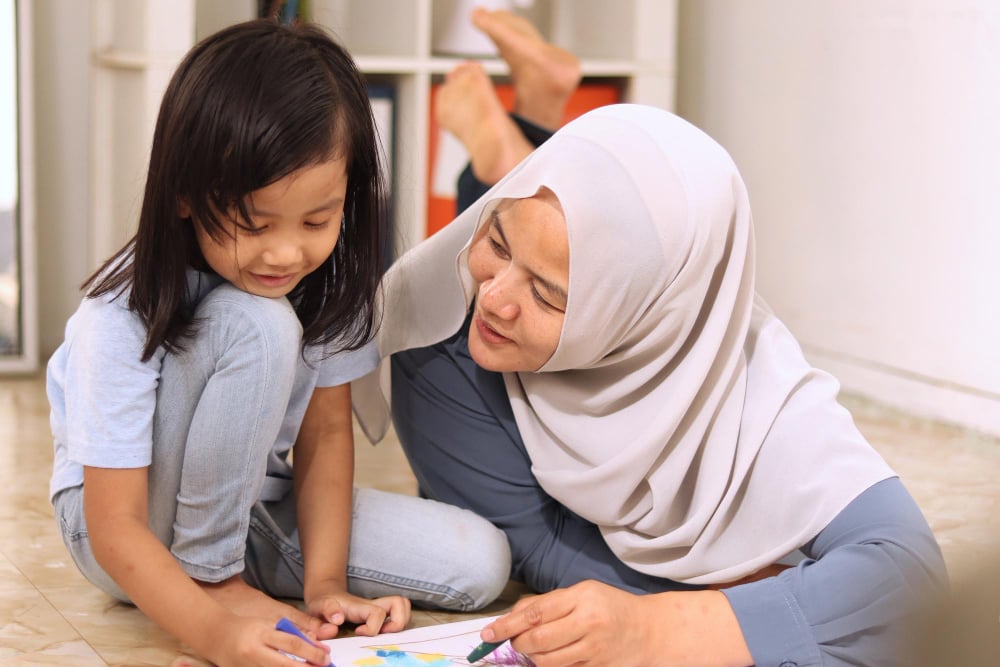 , hands-on materials, and social-emotional growth. Share examples of a typical activity and invite parents to observe a lesson. Point families toward practical resources like Applying Montessori Principles at Home: A Guide for Parents and offer course-based options for staff and parents, such as Engaging Parents in the Montessori Toddler Classroom Buy Now $16.00.
How can educators measure success in a Montessori-inspired classroom?
Track observation notes on independence, concentration, and purposeful activity; look for deeper engagement and fewer interruptions during work cycles. For discussion of whole-child outcomes, see Focus on the Whole Child: The Montessori Approach to Holistic Development.
How can educators use Montessori principles today?
Montessori ideas are adaptable: teachers can preserve the method's spirit—respect for the child, a prepared environment, and sensorial, sequenced materials—while meeting program constraints. Begin with small changes, document effects, and scale what works. Consider relevant ChildCareEd courses for staff development and family engagement.
What are the key takeaways and summary for educators?
Keep Montessori's core commitments: respect for the child, a thoughtfully prepared environment, sensorial, sequenced materials, and observation-driven planning. Start small—introduce one prepared area, document effects, and scale what improves independence and engagement. Use brief, repeatable activities teachers can prepare quickly and invite families to observe and participate. Monitor success with observation notes on independence, concentration, and purposeful activity and use those data to guide professional learning and family conversations.
Which references support these ideas?
- Can a Playroom Makeover Make My Kids Over? — The New York Times
- What do I need to know to provide child care in New York?
- MONTESSORI GEOGRAPHY, Newsletter #3 — Michael Olaf
How does Montessori simplify learning?
By removing unnecessary complexities, Montessori education creates a nurturing space where children can thrive and explore at their own pace.
The principles of simplicity in learning within the Montessori framework can be highlighted through several key aspects:
-
Intuitive Engagement: Montessori materials are designed to be self-explanatory, enabling children to understand and interact with them independently. This design encourages exploration and fosters natural curiosity
Buy Now $10.00, allowing children to learn through discovery rather than rote memorization. -
Minimalist Environment: Classrooms are intentionally organized with a carefully curated selection of high-quality materials that serve specific educational purposes. This minimalist approach reduces distractions, allowing children to concentrate on their tasks and engage more deeply with their learning experiences.
-
Child-Centered Learning: The Montessori method prioritizes the interests and #developmental stages of each child. By simplifying the learning process, educators can tailor experiences that resonate with individual learners, promoting deeper understanding and retention of knowledge. This personalized approach respects each child's unique learning journey.
-
Focus on Process Over Product: Montessori education values the learning journey rather than merely the end result. This perspective encourages children to engage with the process of learning, fostering creativity, critical thinking, and problem-solving skills. Children learn to appreciate the value of effort and perseverance.
-
Freedom of Choice: Children are given the autonomy to choose their activities, which simplifies decision-making and enhances their engagement. This #freedom allows them to pursue their interests and learn in a way that feels natural to them
Buy Now $10.00, promoting intrinsic motivation and a love for learning. -
Collaborative Learning: The Montessori environment
Buy Now $16.00 encourages collaboration among peers, allowing children to learn from one another. This social aspect of learning simplifies the process of acquiring new skills and knowledge, as children often find it easier to understand concepts when they are shared and discussed within a community.
- The Montessori Classroom: Theory to Practice
- Teach the Montessori Way: A Practical Guide
- Montessori Foundations
- Birth to Five CDA Credential with Portfolio Review
- Engaging Parents in the Montessori Toddler Classroom
- Creating Environments that Nurture Growth and Community
- Montessori Cultural Activities: Exploring the World Through Play and Learning
- Enhancing STEM Education for Infants and Toddlers
- Every Moment Matters: Schedules and Transitions
- Mindful Supervision: Balancing Safety & Independence in Montessori
- Proveedores de Virginia y el CDA
- The Montessori Time Machine: Transporting Kids Back to Simpler Times
- 🌙 ¿Cómo afecta el tiempo frente a las pantallas el sueño y el comportamiento infantil? 😴
- 🥦✨ ¿Cómo apoyar a los niños selectivos a probar nuevos alimentos sin presión?
- Cuáles Son las Señales de Alerta en el Desarrollo Infantil que Todo Educador Debe Conocer?
- Pascua En El Aula: Actividades Sencillas Para Aprender y Celebrar Con Seguridad
- ¿Cómo hacer actividades navideñas inclusivas para todas las familias?
- Recursos en Español sobre el Sueño Seguro del Bebé
- ¿Cómo puedo usar escenarios de juego de roles de primeros auxilios en mi aula?
- ¿Cómo puedo enseñar habilidades de primeros auxilios con escenarios de juego de roles?
- ¿Cómo afecta la dopamina a los niños: señales, efectos e influencias diarias?
- Actividades de Fiesta para Niños de Preescolar y Primaria
- Temas y Actividades para el Día Nacional del Kindergarten para Proveedores
- Cómo Trabajar en el Cuidado Infantil en Maryland: Requisitos y Pasos
- Las Mejores Ideas de Excursiones para Guarderías en Texas
- Positive Ways to Respond When Children Bite
- Canciones, juegos y preguntas de círculo para niños
- Grace and Courtesy Activities for Montessori Classrooms
- How Can You Support Safe Transporting Play Without Losing Your Learning Center?
