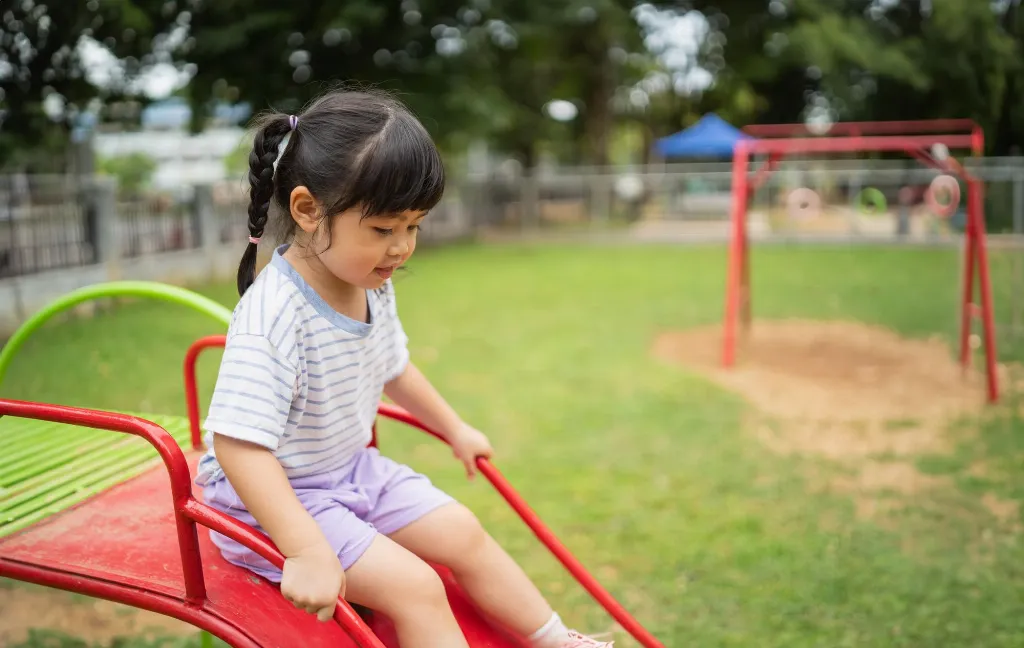
 Outdoor play helps kids move, learn, and calm down. But in Wisconsin we sometimes face smoke, wildfire haze from far away, or other air problems. Before you head outside, it helps to have quick checks, clear rules, and a plan so outdoor time stays fun and safe for your #children. Remember: state requirements vary - check your state licensing agency.
How do we check Wisconsin air quality before outdoor play?
- 🔎 Check the local AQI (Air Quality Index) on ChildCareEd's AQI explanation or the EPA/AirNow site. The Wisconsin DNR also posts live maps for our state—see Wisconsin DNR air tools.
- 📲 Assign one staff person to check AQI before morning and again before afternoon outdoor blocks. Re-check if smoke appears or the sky smells smoky.
- 📋 Post readings on a simple board: time, AQI number, and your center decision (go, shorten, or stay inside). For a printable guide, use the CDC/ChildCareEd chart Air Quality and Outdoor Activity Guidance Buy Now $0.00.
Tip: Write the AQI on your daily log so decisions are consistent across staff and easy to explain to families.
When should we change, shorten, or cancel outdoor time because of air quality?
Use a simple traffic-light plan tied to AQI numbers. This helps staff act fast without guessing:
- 🟢 Green (AQI 0–50): Go outside as planned.
- 🟡 Yellow (51–100): Use caution for sensitive children (asthma). Consider shorter or lower-energy play.
- 🟠 Orange (101–150): Unhealthy for sensitive groups — shorten outdoor time and avoid high-energy play.
- 🔴 Red (151–200): Unhealthy — keep all children inside and reduce energetic activity.
- 🟣 Purple / Maroon (201+): Very Unhealthy/Hazardous — stay inside, follow local health alerts, and reduce activity.
For wildfire smoke, many programs choose a clear cutoff (for example, keep children indoors at AQI 101+ or 151+). See ChildCareEd’s guide about wildfire smoke and childcare and EPA/CFOC/AirNow resources for more detail.
What can we do indoors to protect children when outdoor air is poor?
1. Close windows and doors. Set HVAC to recirculate if your system supports it and uses filters. The CDC explains ventilation and filtration basics for buildings—see CDC ventilation guidance.
2. Use portable HEPA air cleaners in classrooms or pick a single "clean-air" room with the fewest doors opening outside. ChildCareEd’s wildfire smoke article suggests choosing a room for infants and children with asthma to lower exposure Wildfire Smoke and Air Quality.
3. Lower activity level. Reduce running and high-energy games so children inhale less air.
4. Avoid extra indoor pollution: skip frying, candles, and heavy vacuuming during smoky events. The EPA and AirNow offer tips on cleaning indoor air and using maps to monitor smoke plumes (ChildCareEd & EPA).
How can we train staff, communicate with families, and avoid common mistakes?
Train, practice, and communicate in short, clear steps:
- 📌 Post a weather-and-AQI chart by exits. Use a one-line rule like: "If AQI ≥ 151, stay inside."
- 👩🏫 Train staff in 15-minute refreshers: who checks AQI, who moves classes, and who notifies families.
- 📣 Use a short family message template: "Local AQI ___ — we are staying indoors and using indoor activity plans. Please send meds per your child’s health plan." ChildCareEd offers family communication templates and resources Family Voices Matter.
Common mistakes and fixes:
- ❌ Relying on a distant AQI reading. ✅ Use local monitors and the Wisconsin DNR map (DNR) or AirNow.
- ❌ Waiting for symptoms. ✅ Decide by AQI before problems start.
- ❌ No indoor plan. ✅ Keep a short list of calming indoor movement and centers from ChildCareEd’s activity guides Outdoor play benefits Buy Now $0.00. For ideas that help children stay active when they must remain indoors, see indoor activities for cold days.
FAQ (short):
- Q: How often check AQI? A: Before each outdoor block and if smoke is seen or smelled.
- Q: Who decides? A: The director or assigned staff using the posted chart.
- Q: Can children wear masks for smoke? A: For young children, masks are not a reliable substitute for keeping kids indoors; follow local health guidance and staff protection rules.
- Q: What if a child with asthma gets symptoms? A: Follow the child’s health plan, give meds as prescribed, and contact family/911 if needed.
You are protecting growing lungs and keeping learning steady. Small routines—checking the AQI, posting a clear cutoff, choosing a clean-air room, and having indoor activity plans—make smoky or poor-air days calm and safe for everyone. For more tools and printable charts, see ChildCareEd’s resources on weather and AQI: Weather Watch Guidelines and CDC/ChildCareEd AQI chart Buy Now $0.00.
Hashtags for quick reference: #airquality #outdoorplay #children #safety #AQI
Conclusion
Keep your plan simple: 1) check local AQI, 2) follow your posted traffic-light rule, 3) improve indoor air when needed, and 4) tell families clearly. Your routines protect health and let children keep learning and playing safely—even on smoky Wisconsin days.
1. Use a trusted local tool every time you plan outdoor time:Use a simple traffic-light plan tied to AQI numbers. This helps staff act fast without guessing:1. Close windows and doors. Set HVAC to recirculate if your system supports it and uses filters. The CDC explains ventilation and filtration basics for buildings—see CDC ventilation guidance.- Creating the Natural Outdoor Classroom
- Professional Presence in Early Childhood
- 1,2,3, Eyes on Me: Classroom Safety
- Open Ears: Listening in Child Care
- Healthy Starts: Safety, Nutrition, and Wellness in Child Care
- Texas Director Credential
- Responding to Emergencies
- Preventative Health and Safety
- Family Child Care: Building, Premises, and Outdoor Safety
- Supporting Families and Caregivers in Language and Literacy
- ❄️ ¿Qué actividades al aire libre funcionan bien para los niños de Illinois en cada estación? 🌷🍂
- Actividades de Otoño Fáciles para Preescolares esta Temporada
- Lista para Guardería en Casa en Texas: Cómo Iniciar una Guardería en el Hogar
- Por Qué la Supervisión Activa Es Clave para la Seguridad en el Cuidado Infantil
- Consejos de Supervisión Activa para Salones de Preescolar y el Juego al Aire Libre
- Cómo Trabajar en el Cuidado Infantil en Wisconsin: Requisitos y Pasos
- How can I use beach and ocean-themed summer activities in my California early childhood classroom?
- Air Quality and Child Care in Texas: Outdoor Play Safety Tips
- Air Quality and Child Care in Georgia: Outdoor Play Safety Tips
- Air Quality and Child Care in Nevada: Outdoor Play Safety Tips
- Air Quality and Child Care in Illinois: Outdoor Play Safety Tips
- Air Quality and Child Care in Wisconsin: Outdoor Play Safety Tips
- Safe Temperature Regulations in Daycare: Wisconsin Rules for Child Care Providers
- How can Minnesota child care programs keep infants and toddlers hydrated and safe in hot weather?
- Daycare Temperature Regulations in Oregon: What Providers Should Know
- Daycare Temperature Regulations in Washington: What Providers Should Know
- How Can Child Care Programs Keep Outdoor Play Safe?
- How can child care programs prevent seasonal safety hazards like heat, cold, allergies, holiday risks, and outdoor play dangers?
- Cómo Planificar Actividades al Aire Libre Seguras Durante el Calor y la Mala Calidad del Aire
- What Should Child Care Staff Check Before Outdoor Play?
