Introduction
Watching children carefully helps teachers know what each child can do and what help they need. Observation is the first step in good #assessment. When we watch with a purpose, we learn about play, language, thinking, and behavior. This article gives clear steps for busy child care providers and directors so you can make observation useful, fair, and simple to use in your #classroom.
Why it matters:
1. Observation shows real skills and moments of learning. 2. Early watching helps spot needs before they grow. 3. Notes become plans and a way to work with #families. For ideas and tools, see resources like How do we observe with purpose in early childhood assessment? and course options such as Tracking Progress, Shaping Futures  Buy Now $55.00.
Quick note: state requirements vary - check your state licensing agency.
1) How do I watch children with purpose?
Purposeful watching means you plan what to look for. It helps you focus and collect useful facts. Use these simple steps:
- 🔎 Pick 1 skill or time to watch (for example: snack time sharing).
- 📝 Decide how long to watch (5–10 minutes for a short check; longer for routines).
- 📅 Do regular short checks and one deeper observation each month.
Why this works:
1. It keeps observations focused so notes are quick and clear. 2. You see patterns over time when you repeat the same checks. 3. Simple plans are easier to share with staff and families.
Practical tips:
- 📌 Use a short form like an Anecdotal Record Observation Form Template Buy Now $0.00 to capture date, setting, and exact actions.
- 📷 Take a photo or short video when helpful (with family permission).
- 🔁 Use colleagues: two observers can check notes and reduce mistakes.
2) What tools and methods should I use to record observations?
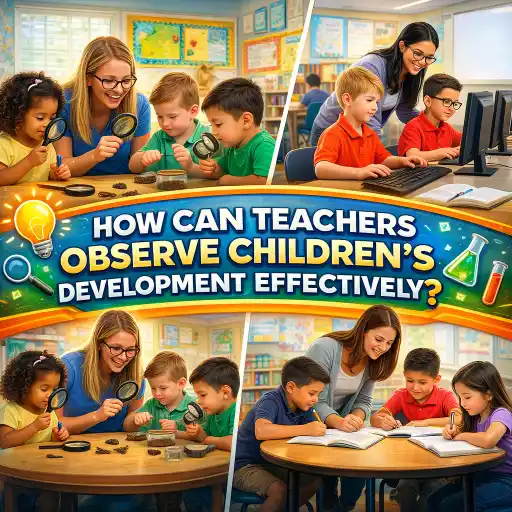
Choose easy tools that fit your room. Mix methods so you get a full picture. Common methods include:
- ⏱ Time sampling: watch at set times to see if a behavior occurs. For an overview see resources on purposeful observation and general time-sampling explanations like Time Sampling.
- 🎯 Event sampling: write down each time a specific event happens (useful for behaviors like hitting or sharing).
- 🧩 Anecdotal notes & portfolios: collect work samples and short stories about moments of learning. Use the Anecdotal Record template Buy Now $0.00 to stay organized.
Steps to choose tools:
- 1. Pick 1–2 methods to start. 2. Try them for a month. 3. Keep what works and drop what doesn’t.
Helpful links: ChildCareEd has courses like Preschool Assessments & Observations Buy Now $24.00 and Observing & Assessing in Child Care Buy Now $16.00 that walk through tools and forms step by step.
3) How do I keep observations objective and avoid bias?
Objective notes are facts, not feelings. They help families and specialists trust your work. Use these easy rules:
- 🔍 Describe only what you see and hear. Example: write "child stacked 6 blocks" not "child is good at blocks."
- 🧾 Include date, time, setting, and who was nearby.
- 👥 Use more than one observer when you can, then compare notes.
- 🔁 Practice: watch the same short video with colleagues and compare descriptions to build agreement.
Common mistakes and how to avoid them:
- ❗ Writing opinions. Fix: stick to actions and quotes. Example: "said ‘help me’" instead of "seemed shy."
- ❗ Watching only tough moments. Fix: observe routines and play so you see strengths too.
- ❗ Using only one tool. Fix: combine notes, photos, and checklists so you have multiple views.
Tools and training help reduce bias. ChildCareEd's Tracking Progress Buy Now $55.00 course shows how to use multiple measures and write objective notes. For behavior questions, CSEFEL offers strategies to build social skills and reduce problem behavior (CSEFEL Strategies).
4) How do I turn observations into goals and share them with families?
Observations should lead to simple, clear next steps. Follow a small plan:
- 📑 Summarize: write a one-paragraph summary with date, setting, and exact example.
- 🎯 Make 1–3 short goals that are specific and measurable. Example: "Will name 3 colors during art time, 3 out of 5 tries."
- 🛠 List supports: 2–3 ways teachers will help (model, cue, give time).
- 🔁 Track progress: re-observe and note changes. Update the plan every few weeks.
Sharing with families:
- 😊 Start with strengths and examples. 2. Show a short note or photo. 3. Ask families for their observations and ideas.
If progress is slow despite steps, document carefully and consider referral. The CDC milestone checklists can help when you are worried about development (CDC Developmental Milestones), and ChildCareEd course pages explain referral steps and documentation needed. Remember: state requirements vary - check your state licensing agency.
Conclusion
Good observation is doable. Start small, pick one routine, and use a simple form like the Anecdotal Record Buy Now $0.00. Use a mix of methods, keep notes factual, and turn what you see into short goals you can share with staff and #families. Over time your focused watching will improve teaching and support each child's #development and #strengths right in your #classroom. Keep learning—courses such as Tracking Progress Buy Now $55.00 or Observing & Assessing in Child Care Buy Now $16.00 can help your team get more confident.
FAQ
- Q: How often should we observe? A: Daily quick notes plus a deeper observation each month works well.
- Q: Who should write observations? A: Staff who know the child best; use more than one observer when possible.
- Q: How long should we keep records? A: Keep them while the child is in your program and follow your state rules.
- Q: What if a family disagrees? A: Listen, show examples, and invite family observations to make a plan together.
- CDA: A Closer Look at Assessments
- CDA Infants/Toddlers: Benefits to Observing
- Baby Steps to Milestones
- CDA Bridge Bundle: Family Child Care without Portfolio Review
- CDA Bridge Bundle: Infant/Toddler without Portfolio Review
- CDA Bridge Bundle: Preschool without Portfolio Review
- Texas Director Credential
- Baby Steps to Milestones ONLINE
- Access for All: Inclusion and the ADA
- Observations And Goal Setting in Childcare
- Professional Development & Teddy Bear Activities
- Teaching Math to Young Children
- The Montessori Time Machine: Transporting Kids Back to Simpler Times
- CDA Certification en Español: Recursos y Consejos para Educadores Bilingües
- 10 Ejemplos de Cómo la Cultura Influye en el Desarrollo Infantil
- Cómo Trabajar en el Cuidado Infantil en Carolina del Norte: Requisitos y Pasos
- How can California classrooms use observation to understand young learners?
- How can we make observation and assessment simple and useful in childcare?
- Celebrando la amistad en el cuidado infantil durante el Día de los Mejores Amigos
- How can we reliably avoid bias during observation and assessment?
- When Is Repetitive Speech Typical—and When Should Teachers Pay Closer Attention?
- First Week of Pre-K Lesson Plans: What Can You Learn About Your New Class?
- How Can Preschool Teachers Recognize and Respond to Sensory Overload in the Classroom?
- How Do Dot-to-Dot Activities Support Number Order and Pencil Control?
