A preschooler who arrives unusually quiet, restless, or slow to join play may be responding to a change that began at home. Brief, optional updates about sleep, routines, comfort, or interests can help teachers meet the child with greater understanding; the ChildCareEd course Let’s Talk: Effective Communication  Buy Now $24.00 offers practical learning on responsive family communication and partnership. Read on for ways to use small clues respectfully—without asking families to share more than they wish.
Why can a small change at home matter so much at school?
Preschoolers move through a connected day: waking, traveling to care, separating from family, joining peers, and shifting between activities. A disruption in one part of that sequence—a later bedtime, a different caregiver at drop-off, or an exciting new interest—may affect how a child experiences the next part. The effect is not automatic or identical for every child, but context can help explain why a familiar morning feels different.
Routines offer children repeated, understandable patterns. Research links children’s routines with several developmental outcomes, while also recognizing that families’ practices and circumstances differ. The evidence does not mean every family needs a perfect schedule; it underscores why educators benefit from noticing patterns rather than interpreting one difficult moment as a fixed trait.
For teachers, one small piece of information can change the first response. If a family mentions a disrupted night, the teacher might offer extra time to settle, a quieter first activity, or a gentle check-in. If a child is excited about a new interest, that clue can become a welcoming conversation or a bridge into play. This is responsive teaching: using what is known about the child to shape the environment and interaction.
- Context helps adults respond with curiosity instead of blame.
- A flexible plan can support participation without lowering expectations for learning.
- Small observations shared over time can reveal patterns that a single day cannot.
What kinds of family updates are useful—and how can they stay optional?
Useful updates are concise, relevant to the child’s care, and chosen by the family. A check-in might invite caregivers to share whether anything could affect the child’s day, while making clear that answering every prompt is optional. Relevant topics may include sleep, a changed morning routine, a comfort strategy, a recent transition, or a current interest.
A practical tool is ChildCareEd’s Home-to-Classroom Clue Sheet: Preschool Family Communication Form Buy Now $0.00. Its prompts provide a structured way to share useful context, while its optional format supports family choice. Educators can adapt the form to their program’s communication methods and make sure families know they may skip questions or share information verbally instead.
Keep the purpose clear: gather only what may help the child feel supported or participate comfortably. Families do not owe a detailed account of private circumstances. A simple note such as “short night,” “new pickup plan,” or “comforted by songs” may be enough. Ask families which communication method works for them, and provide access in a language and format they can use whenever possible.
- Sleep or rest changes that may affect energy or transitions.
- Changes in routines, caregivers, or pickup arrangements that matter for the school day.
- Comfort cues, familiar words, and interests that may help a child connect.
- Questions or support requests the family chooses to raise.
How can teachers use a clue during arrival and activities?
Start with a warm greeting and a brief, discreet exchange with the caregiver when possible. Listen without turning drop-off into an interview. If the family says the child slept poorly, acknowledge the information and consider a calm arrival option. If the child is worried about a change, use a familiar goodbye ritual and explain the next step in simple language. Children benefit when adults remain steady while adapting thoughtfully.
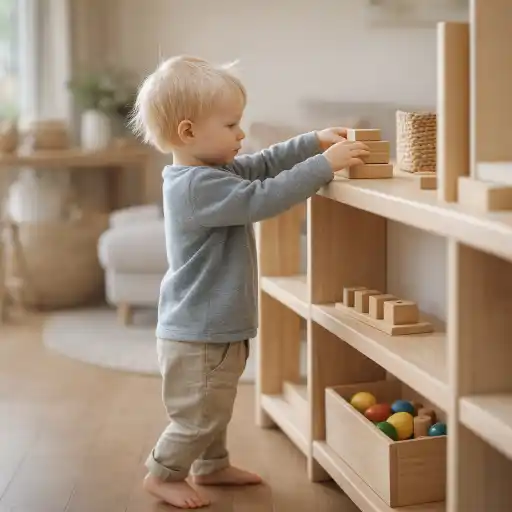
During the day, let the clue inform observation rather than dictate a conclusion. A tired child may need extra processing time, but the teacher should still watch what actually happens: Does the child seek closeness, choose a quiet activity, or become engaged after a few minutes? An interest shared by home can offer a natural entry into conversation, books, art, or pretend play. For more on how routines and transitions shape supportive classrooms, see NAEYC’s resources on daily routines and classroom transitions.
Use predictable supports alongside individual flexibility: a visual schedule, a familiar first activity, a trusted adult, or extra time to move between parts of the day. Small adjustments should preserve the child’s dignity and avoid singling them out. The goal is not to make every day identical, but to make the classroom responsive enough that children can rejoin the group at their own pace.
- 🌤️ Offer a calm, welcoming first step when a child seems unsettled.
- Use a familiar phrase, song, object, or activity when appropriate and allowed by program policy.
- Build on a child’s interest to invite connection and purposeful play.
- Keep observing; adjust support based on the child’s response.
How can educators communicate without judgment or overstepping?
Trust grows when families experience communication as respectful, reciprocal, and useful—not as surveillance or a search for fault. Treat caregivers as experts on their child and educators as partners who can share what they observe in the classroom. Family-engagement guidance emphasizes listening, respect, responsiveness, and two-way exchange; these principles are especially important when a family shares sensitive information.
Use neutral language and ask open questions. For example: “We noticed that Ari needed more time to settle on several mornings. Have you noticed anything that might help us make arrival easier?” This describes an observation without deciding its cause. Avoid statements such as “You need to make bedtime earlier” or “The change at home is making the child behave this way.” There may be many influences, and the family’s circumstances may not be visible to the teacher.
Protect confidentiality by sharing information only with staff who need it to support the child and through approved channels. Do not discuss one family’s circumstances in front of other families. If a concern continues, document observable patterns and invite a planned conversation rather than relying on a rushed exchange at the door. State requirements vary - check your state licensing agency, along with program policies for documentation, privacy, and family communication.
- Ask permission before following up on personal details.
- Share specific observations and the support tried, not labels or assumptions.
- Respect a family’s choice not to answer or disclose more.
- Offer communication options that account for language, access, and schedule.
What common pitfalls should providers avoid?
A family update is most helpful when it remains a supportive invitation. If a form feels compulsory, overly personal, or focused only on problems, families may reasonably choose not to use it. Keep prompts brief and relevant, explain who can see the information, and let families decide what to share. Make room for strengths and joys, too: a new favorite song or a child’s excitement about insects can be just as useful as a difficult night.
Another pitfall is treating a clue as proof. A child’s challenging morning cannot be attributed to sleep or home routines based on one note. Look for recurring patterns, consider other explanations, and ask the family what they notice. Similarly, do not promise that a classroom adjustment will resolve a concern. Try a manageable support, observe its effect, and review together.
Finally, avoid collecting information that staff cannot use or protect. A shorter, purposeful check-in is often more effective than a long questionnaire. Directors can help by setting clear procedures for access, storage, follow-up, and staff roles, and by ensuring that family communication does not interfere with supervision during arrival. These safeguards make the process practical and preserve trust.
- Do not pressure families to explain private changes or complete every prompt.
- Do not label a child or assume a single cause for behavior.
- Do not share sensitive information beyond the appropriate care team.
- Do not let a form replace conversation, relationship, or professional observation.
Conclusion: How can a small home update support a better preschool day?
Small changes at home can influence how a preschooler arrives, connects, and participates, but a clue is a starting point for understanding—not a diagnosis or a judgment. Optional, brief family updates about sleep, routines, comfort, and interests can help teachers prepare a more attuned response and notice patterns over time.
Keep communication respectful and reciprocal: invite, do not demand; listen, do not assume; and use only the information needed to support the child. Pair family knowledge with objective classroom observation, predictable routines, and flexible care. When home and school share small, useful clues, adults can work together to make the child’s whole day feel more understood and supportive.
For additional professional learning, explore these English-language ChildCareEd courses:
- 45 Hour Child Growth and Development
- CDA Bridge Bundle: Preschool
- Pediatric RSV First Aid & CPR/AED
- CDA Bridge Bundle: Family Child Care without Portfolio Review
- CDA Bridge Bundle: Infant/Toddler without Portfolio Review
- CDA Bridge Bundle: Preschool without Portfolio Review
- Texas Director Credential
- Every Moment Matters: Schedules and Transitions
- CDA Certification en Español: Recursos y Consejos para Educadores Bilingües
- 10 Ejemplos de Cómo la Cultura Influye en el Desarrollo Infantil
- ¿Cómo solicito la licencia para una guardería en California?
- Normas de Licenciamiento de Cuidado Infantil en Virginia para Centros Diurnos Infantiles y Hogares Diurnos Familiares
- Lista para Guardería en Casa en Illinois: Cómo Iniciar una Guardería en el Hogar
- Lista para Guardería en Casa en California: Cómo Iniciar una Guardería en el Hogar
- Cómo Trabajar en el Cuidado Infantil en Carolina del Norte: Requisitos y Pasos
- Cómo Trabajar en el Cuidado Infantil en California: Requisitos y Pasos
- Cómo Ser Maestra de Preescolar en Illinois
- Cómo Trabajar en el Cuidado Infantil en Virginia: Requisitos y Pasos
- Celebrando la amistad en el cuidado infantil durante el Día de los Mejores Amigos
- Canciones, juegos y preguntas de círculo para niños
- Mixed-Age Daycare Schedule: How to Plan a Day for Different Age Groups
- Title 22 Home Daycare Ratios: How Age Mix Changes Your California Capacity
- How Can Visual Schedules Make Early Childhood Classrooms More Predictable and Inclusive?
- How Can Child Care Providers Encourage Children to Express Their Ideas?
- Does Bending a String Change Its Length? A Preschool Measurement Investigation
- What Should Preschool Teachers Do When a Child Frequently Changes Activities Without Engaging?
- Why Do Some Preschoolers Recognize Letters but Struggle to Match Uppercase and Lowercase?
- How Can Small Changes at Home Shape a Preschooler’s Entire Day?
