Curious how bringing young children and older adults together can lift learning, behavior, and community ties?
Thoughtfully run intergenerational programs reduce social isolation, teach social‑emotional skills, and give children rich, real‑world language practice — while giving older adults meaningful roles. If you want practical strategies to design warm, developmentally appropriate shared activities and classroom environments, consider starting with Creating Environments that Nurture Growth and Community  Buy Now $55.00 for actionable room‑design and inclusion ideas and pair it with Emergent Learning & Development Buy Now $24.00 to align activities with learning objectives. Both courses help strengthen professional knowledge, improve classroom practice, and give you tools to plan safe, measurable intergenerational learning.
What is intergenerational learning and why does it matter for my program?
Intergenerational learning intentionally pairs children and older adults in planned, reciprocal activities so both generations teach and learn. This model goes beyond occasional visits: well‑designed partnerships become part of the environment, curriculum, and community fabric. Why it matters: children gain language, perspective‑taking, and #social skills through sustained relationships while older adults experience purpose and social engagement — building local #community capital and reducing age‑based stereotypes. Research and program reviews show regular, structured contact yields the most consistent benefits, especially for attitudes, communication, and emotional well‑being (see systematic reviews in the literature).
Practical note: state requirements vary - check your state licensing agency when planning visits, volunteer checks, and transportation.
How do intergenerational programs benefit both #children and #seniors in measurable ways?
Outcomes fall into three categories: social‑emotional, cognitive/language, and community outcomes. For children, consistent intergenerational contact supports vocabulary growth through narrative sharing, improves listening and turn‑taking, and often leads to kinder peer interactions. Older adults report increased mood, sense of usefulness, and sometimes improvements in attention and memory when activities include reminiscence, music, or hands‑on projects. Programs also strengthen ties between families and service providers and can expand community resources.
- Social‑emotional: empathy, reduced social distance, better classroom behavior.
- Language & cognition: storytelling, shared projects, and repeated routines that scaffold vocabulary and memory.
- Community: expanded social networks, volunteer resources, and interagency collaboration.
Why it matters: investing in intergenerational work is an equity strategy — it creates developmental supports beyond the classroom and taps local strengths in older adults to enrich learning.
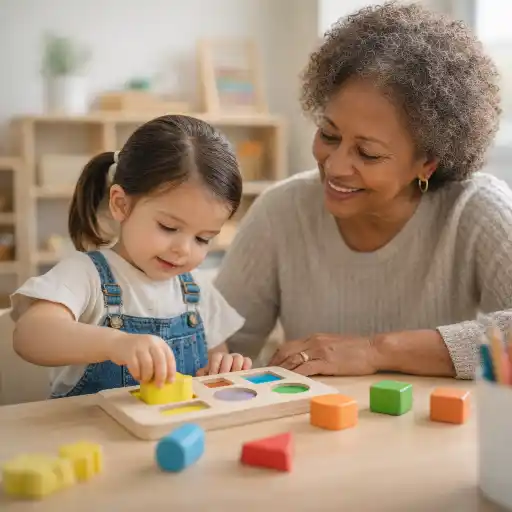
How can child care providers design safe, meaningful intergenerational activities?
Design begins with goals. Identify a learning objective (language, fine motor, SEL), choose an activity that both groups can do, and set a short, predictable routine. Short, frequent sessions (20–45 minutes for preschoolers) build trust and avoid fatigue. Examples that reliably work: shared storytelling, simple crafts, gardening tasks, music circles, and reading buddies. For practical templates and scripts see resources like the ChildCareEd activity guides — for example, as part of Intergenerational Activities for Kids.
Safety and accessibility checklist:
- 📋 Written permissions, photo releases, and volunteer background checks where required.
- 🪑 Physical access: level paths, chairs, and quiet spaces for rest.
- 🧴 Health precautions: hygiene stations, allergy care, and clear illness policies.
- 🧯 Staff roles: greeter, station lead, and floater to support transitions.
For staff training that supports cross‑age facilitation, consider courses like Meeting Adult Learners' Needs Buy Now $24.00 (for working with volunteers/mentors) and A Thoughtful Approach to Children's Mental Health Buy Now $24.00 to support emotional safety and referral planning.
How do we build partnerships and involve families and older adult organizations?
Start locally: senior centers, adult day programs, retirement communities, faith groups, and community colleges are common partners. Hold a short planning meeting that aligns schedules, accessibility needs, transportation, and shared goals. Use a memorandum of understanding (MOU) to clarify roles, liability, and communication. Invite families early — share learning goals and simple ways they can reinforce connections at home (e.g., asking children to retell a story they heard).
Practical collaboration tips:
- 🤝 Co‑plan: include representatives from both programs in activity design.
- 📝 Pilot small: try one activity weekly for six weeks and document observations.
- 🚗 Solve logistics: rotate hosting between sites or schedule transportation windows.
Shared‑site models can save resources by pooling space and staff — see Generations United case studies for examples of shared sites and housing models that support intergenerational work.
How can we measure impact, avoid common mistakes, and what questions should we ask next?
Measuring impact can be simple and actionable: track attendance, short pre/post attitude surveys (smiley faces for young children), and observational notes on language use or turn‑taking. Document artifacts (photos, keepsakes) with permissions. Use short staff reflection meetings every 4–8 weeks to adapt activities.
Common mistakes and how to avoid them:
- ⚠️ Rushing to large events without relationship time — start small and regular.
- ⚠️ Choosing activities that are too long or complex — match tasks to attention and mobility.
- ⚠️ Ignoring accessibility and health policies — plan accommodations and include adult program staff in risk assessments.
Key evaluation questions:
- Are children using new vocabulary or showing more patience in group tasks?
- Do older adults report increased well‑being or sense of purpose?
- Is the partnership sustainable (shared tasks, costs, and leadership)?
Safety reminder: consider a pediatric first aid/CPR course to ensure readiness for emergencies; a practical option is the ChildCareEd Pediatric In‑Person First Aid & CPR Buy Now $95.00.
FAQ (brief)
- Q: How long should a visit be? A: For preschoolers, 20–45 minutes; for older children, 30–60 minutes depending on activity.
- Q: Can adults with mild cognitive impairment participate? A: Yes—choose sensory, music, or reminiscence activities and plan staff supports.
- Q: What about volunteers? A: Screen, orient, and match volunteers’ strengths to roles; training in adult learning can help.
- Q: How do we handle photos and privacy? A: Always use written releases and respect requests to limit images.
Conclusion
Intergenerational learning is a practical, evidence‑informed approach to deepen children's #learning, reduce social isolation for #seniors, and strengthen local #community networks. Start with clear learning goals, short regular sessions, careful safety plans, and simple evaluation. Small pilots scale: begin with one weekly activity, document effects, and refine. For concrete next steps, explore Creating Environments that Nurture Growth and Community Buy Now $55.00 and Emergent Learning & Development Buy Now $24.00 to align environment and curriculum, plus consider training in adult facilitation and health & safety (see linked courses above). Thoughtful, sustained intergenerational work changes classrooms and lives — and it starts with one consistent, well‑planned connection.
Hashtags: #intergenerational #children #seniors #learning #community
- CDA: A Closer Look at Assessments
- Teach with Respect ONLINE
- CDA Home Visitor Subject Area 3 Part 3 Birth to 5
- Language Development in Early Childhood
- CDA Home Visitor Subject Area 2 Part 3 Birth to 5
- Pediatric RSV First Aid & CPR/AED
- CDA: Special Needs: Understanding the Whole Child
- CDA Home Visitor Credential Birth to 5
- Growing the Whole Child: Health, Emotions & Early Learning
- Montessori Cultural Activities: Exploring the World Through Play and Learning
- Memorial Day Activities
- CDA Certification en Español: Recursos y Consejos para Educadores Bilingües
- Recursos en Español sobre el Sueño Seguro del Bebé
- Proporciones de Cuidado Infantil y Tamaños de Grupo por Edad en Nueva Jersey (Guía Rápida para Centros y Hogares)
- Proporciones de Cuidado Infantil y Tamaños de Grupo por Edad en Virginia (Guía Rápida para Centros y Hogares)
- Consejos de Supervisión Activa para Salones de Preescolar y el Juego al Aire Libre
- Retraso del Habla en la Guardería: Cómo Pueden Ayudar los Proveedores
- Cómo Trabajar en el Cuidado Infantil en Carolina del Norte: Requisitos y Pasos
- Cómo Ser Maestra de Preescolar en Maryland
- Cómo Ser Maestra de Preescolar en Carolina del Norte
- Capacitación CDA gratuita en Illinois
- Intergenerational Activities for Kids: Learning Across Generations
- Senior Citizen Day Ideas for Child Care Programs
- Canciones, juegos y preguntas de círculo para niños
- Cómo simplificar la capacitación para sus empleados de daycare
- Connecting Generations: Activities for Preschoolers and Seniors
- Intergenerational Activities That Bring Children and Seniors Together
- How can I meaningfully involve grandparents in my daycare program?
- How Can Intergenerational Learning Between Children and Older Adults Improve Early Childhood Practice and Community Well‑Being?
- ¿Todos los niños deben participar en el tiempo de círculo?
