Hot days in North Dakota can come fast. This short guide helps child care providers and directors spot #heat problems early, act fast, and keep kids safe. Use simple steps, clear roles, and a short plan everyone can follow. This guide pulls practical ideas from ChildCareEd resources like Preparing for Extreme Heat and Heat Awareness, and public guidance like the CDC's tips for infants and children. Remember: state requirements vary - check your state licensing agency.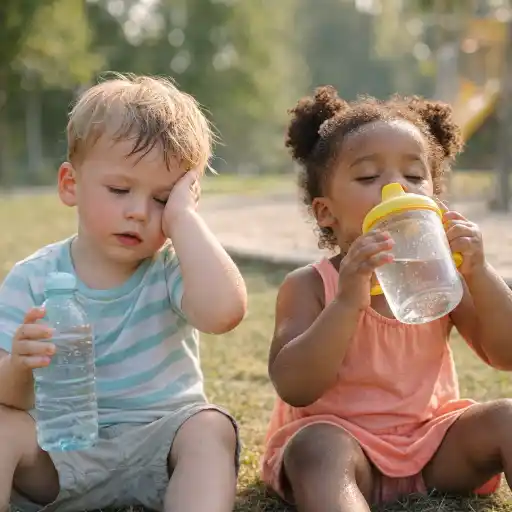
Why it matters:
1. Young bodies warm faster than adults. They can get sick from the heat quickly.
2. Early spotting and fast action stop heat exhaustion from becoming heatstroke. That can save lives. For clear first-aid steps, see First Aid for Heat Illness Buy Now $0.00 and the Red Cross.
How does heat affect young children?
1. Children gain heat faster: small bodies heat up quicker than adults. Their sweat systems are not as strong, so they can’t cool off as well. See the CDC's guidance on Infants and Children and Heat.
3. Special risks: some children with health conditions, or on certain medicines, are more likely to get sick in #heat. The Minnesota and Health Canada materials also note who is most vulnerable and why (for example, MN Dept. of Health and Health Canada).
4. Everyday tasks matter: keeping kids cool, limiting heavy play, and offering water often help stop problems before they start. ChildCareEd explains routines in Preparing for Extreme Heat.
5. Practical note: air conditioning matters. If your building lacks AC, plan trips to cool public places or create cool zones. The Red Cross recommends spending some time each day in a cool place during extreme heat.
What are the common signs of heat illness, and how do we spot them?
Watch for early signs and emergency signs. Use a simple list so staff can act fast. For broader guidance on recognizing signs of illness in young children and basic health skills useful to early childhood staff, see Ah-Choo!
- 🙂 Heavy sweating or pale, cool, moist skin.
- 🙂 Tiredness, weakness, dizziness, headache, or muscle cramps.
- 🙂 Nausea, vomiting, or fainting.
2. Emergency signs (possible heatstroke) — get help now:
- 🚨 Very high body temperature (often above 104 °F / 40 °C).
- 🚨 Confusion, seizures, passing out, or not responding normally.
- 🚨 Hot, red, dry skin (may stop sweating) or rapid,d strong pulse.
3. Other clues: less urine, very thirsty, unusual sleepiness, or sudden behavior change. The CDC lists these warning signs, too: Infants and Children and Heat. ChildCareEd also has clear checklists in Heat Awareness and the training item Heat Awareness: Heat Exhaustion & Heat Stroke Buy Now $0.00.
What should staff do right away when a child shows heat stress?
Follow a short, numbered plan, so everyone knows what to do.
- 🚑 If you see emergency signs (confused, passed out, seizures, very high temperature, uremia), call 911 right away. The Red Cross and CDC both call heatstroke a medical emergency (Red Cross).
- 🚑 Responding to emergencies: For staff who need to feel confident acting quickly when a child shows signs of heat exhaustion or heatstroke, ChildCareEd's Responding to Emergencies
 Buy Now $16.00 is a 2-hour online course covering how to recognize emergencies, follow first aid cooling steps, and communicate clearly with families and emergency services — directly supporting the numbered cooling plan, 911 decision points, and incident documentation routines described throughout this article.
 - 🏃 Move the child to a cool place (shade or indoors with AC).
- 🧥 Loosen or remove extra clothing and shoes.
- 🧊 Cool the child quickly using available options in this order:
- Apply cool, wet cloths to the head, neck, armpits, and groin.
- Use misting, fans with wet cloths, or a lukewarm bath.
- If the child is alert and not vomiting, give small sips of cool water.
- 📣 Stay with the child. Monitor breathing and alertness. Call families and document the event.
For printable first-aid and cooling tips, see ChildCareEd's First Aid for Heat Illness Buy Now $0.00 and the CDC heat illness pages.
How can a North Dakota childcare program prevent heat illness and plan for hot days?
Prevention is the best care. Use routines, simple tools, and clear roles.
1. Daily check and decision plan:
- 📌 Do a quick weather and heat-index check before every outdoor time. Use a traffic-light rule: Green = go, Yellow = shorten or change activity, Red = stay inside. ChildCareEd offers a ready plan in Child Care Weather Watch Guidelines.
- 🌿 Everyday safety and healthy environments: To help staff build the consistent daily habits that prevent heat illness before it starts, ChildCareEd's Everyday Safety: Creating Healthy Environments Buy Now $55.00 is a 6-hour online course covering how to anticipate environmental health risks, set up safe outdoor spaces, and maintain consistent supervision and hygiene routines — directly supporting the morning heat check, traffic-light decision rule, hydration scheduling, and shade setup steps outlined in this guide.
- 💧 Hydration schedule: offer water at arrival, before outside play, every 10–15 minutes during play in high heat, and before nap/leave. Use timers or a "water watcher" on staff.
- 🌳 Shade and schedule: move active play to early morning or late afternoon. Set up shade areas (trees, canopies, umbrellas).
- 👕 Clothing and sun safety: ask families for light, loose clothing,g and hats. Apply sunscreen with parent permission per CDC tips (CDC Outdoor Play and Safety).
- 🧰 Heat kit and roles: keep spray bottles, cool towels, wrapped ice packs, and a list of emergency contacts. Assign zone leads and a back-seat check routine for vans. The ChildCareEd New York guide has helpful checklists you can adapt.
Common mistakes and how to avoid them:
- ❌ Skipping the heat check. ✅ Fix: make it a posted step before any outdoor time.
- ❌ Letting staff guess when to cut play. ✅ Fix: post clear thresholds (heat index numbers) and use the traffic-light plan.
- ❌ Forgetting vehicle safety. ✅ Fix: always do a back-seat check and follow hot-car prevention tips from the TxDOT and NHTSA (Ad Council/NHTSA).
Training and family communication:
- 🧑🏫 Run short heat-safety huddles during hot months and post your plan where staff can see it.
- 📣 Tell families your daily heat plan and what to send (water bottle, hat, light clothes). Remind them: state requirements vary - check your state licensing agency.
Conclusion
Quick recap:
- 1) Know why kids are more at risk for #heat and watch closely.
- 2) Spot the #signs early: heavy sweating, dizziness, or sudden behavior change.
- 3) Act fast with the short cooling steps and call 911 if you see emergency signs.
- 4) Use daily routines (weather check, hydration, shade, heat kit) to prevent problems.
FAQ (short):
- Q: When do we call 911? A: If the child is confused, seizing, passed out, or has a very high body temperature—call 911 right away.
- Q: Can we give sports drinks? A: Water is best most of the time. Small amounts of sports drink may help replace salt after heavy sweating—check the child’s health plan.
- Q: Are fans enough? A: Fans help, but in extreme heat, move children to air conditioning or a cool place. Avoid relying on fans alone when the heat index is very high.
- Q: How often train staff? A: Short refreshers during hot weeks and an annual first-aid review are good practice.
Thank you for the care you give. Simple, practiced steps keep our #children safe. For printable tools and short trainings, start with ChildCareEd's resources: Preparing for Extreme Heat, Child Care Weather Watch Guidelines, and First Aid for Heat Illness Buy Now $0.00.
- CDA Home Visitor Subject Area 3 Part 3 Birth to 5
- How To Keep A Healthy Class: Six Tips for Germ Control
- Professional Presence in Early Childhood
- CDA Bridge Bundle: Family Child Care without Portfolio Review
- Healing Young Hearts: Stress and Grief
- CDA Bridge Bundle: Infant/Toddler without Portfolio Review
- CDA Bridge Bundle: Preschool without Portfolio Review
- Texas Director Credential
- Ah-Choo!
- Elevate Your Career: From CDA Credential to Child Care Center Director in North Dakota with ChildCareEd
- 🔍 ¿Qué ves cuando observas a un niño aprender?
- 🚀How Can New Staff Quickly Get Oriented to North Dakota’s Childcare Standards?
- Supervision Basics in Child Care: Active Supervision Tips for North Dakota Programs
- Proporciones de Cuidado Infantil y Tamaños de Grupo por Edad en Virginia (Guía Rápida para Centros y Hogares)
- Lista para Abrir una Guardería en Casa en Dakota del Norte: Cómo Empezar
- Cómo Ser Maestra de Preescolar en Dakota del Norte
- Capacitación Previa al Servicio para Proveedores de Cuidado Infantil en Dakota del Norte
- Las Mejores Ideas de Excursiones para Guarderías en Dakota del Norte
- How does ChildCareEd cover North Dakota's mandated reporter training and required topics?
- How can childcare programs protect young children in North Dakota from West Nile, ticks, and extreme heat?
- Canciones, juegos y preguntas de círculo para niños
- How can North Dakota child care programs keep children safe from West Nile and tick-borne illness this summer?
- How can child care programs keep kids safe on the Fourth of July in North Dakota?
- How can North Dakota child care programs protect young skin with simple sun-safety routines?
- How can North Dakota providers recognize and respond to heat stress in young children?
- How Can North Dakota Child Care Providers Help Families Facing Economic Stress?
- How Can North Dakota Child Care Providers Help Families Cope with Economic Stress?
