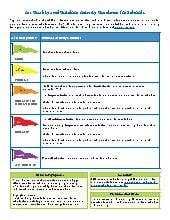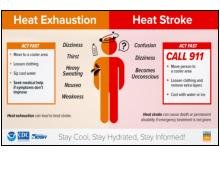
Heat awareness is crucial in preventing heat exhaustion and heat stroke. These conditions occur when the body is unable to cool itself down efficiently, resulting in elevated body temperature and potential damage to vital organs. Heat exhaustion is characterized by symptoms such as excessive sweating, dizziness, nausea, and muscle cramps. If left untreated, it can progress to heat stroke, which is a life-threatening condition characterized by high body temperature, confusion, seizures, and loss of consciousness. To prevent heat-related illnesses, it is important to stay hydrated, avoid prolonged exposure to high temperatures, and take frequent breaks in shaded or air-conditioned areas. It is also crucial to recognize the signs and symptoms of heat exhaustion and heat stroke and seek immediate medical attention if they occur.
#heat#prevention#safety
To meet state and federal requirements of the Child Care and Development Block Grant (CCDBG), all child care providers must successfully complete a basic health...
This course satisfies the following area(s) of the CDA: Subject Area 1: Planning a Safe and Healthy Learning Environment Childhood injuries are unfortunately a ...
Every child with autism has their own unique set of strengths and challenges. We as child care providers are responsible for ensuring the health and safety of c...
First aid for heat illness involves recognizing symptoms such as heavy sweating, weakness, dizziness, and nausea, which may indicate heat exhaustion or heat stroke. It is crucial to move the affect... Read more
First aid for heat illness includes taking immediate measures to cool down the affected person. This can be done by moving them to a shaded or air-conditioned area, removing excessive clothing, and... Read more
One major mistake to avoid when going out in the #heat is not staying hydrated. It is crucial to drink plenty of water and stay away from caffeinated or sugary beverages that can contribute to deh... Read more
Youth preparedness programs that are implemented at a community level are essential in equipping young people with the necessary skills and knowledge to effectively respond to #emergencies and disa... Read more
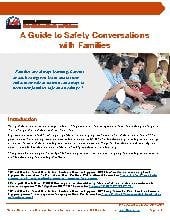
A Guide to Safety Conversations with Families is a comprehensive resource designed to help professionals engage in effective discussions about #safety with families. It provides practical strategi... Read more
Creating a #culture of safety for #mixed_ages is essential to protect everyone, no matter their age. This can involve enforcing rules and guidelines, providing proper training and education about p... Read more
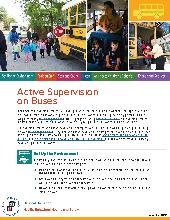
What strategies can be implemented to ensure #active-supervision and #safety in a #mixed-age setting? How can #administrators promote a culture of active supervision and safety among staff members ... Read more
Preventing eye injuries involves wearing appropriate protective eyewear during activities that pose a risk, such as sports, construction, or using power tools. In the event of an eye injury, it is ... Read more