Starting group care for the first time is big for a child and for your program. This short guide gives clear, kind steps North Dakota directors and #NorthDakota #providers can use today to help children who have never been in a group setting. Read the quick "why it matters" below and then try one idea this week. State requirements vary - check your state licensing agency.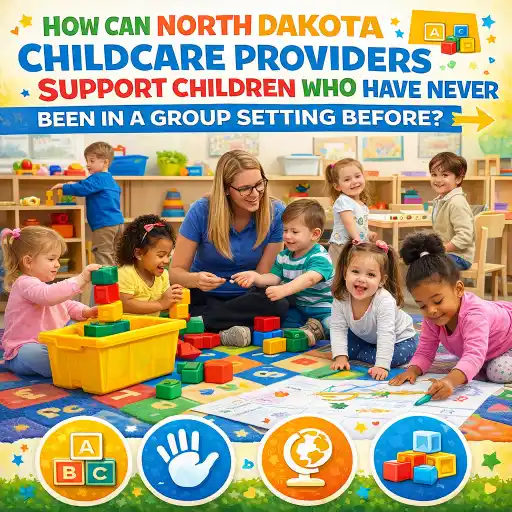
Why it matters:
1) A calm start helps children feel safe and learn faster all day.
See practical ideas in How can we help children move from home to daycare with less stress?.
2) Small, steady steps build trust with families and save staff time. For routines that really work, check What routines really help toddlers with separation anxiety?.
1) How can we prepare families and children before the first group day?
Preparation makes the first days easier. Use clear steps and short practices so families know what to expect.
- 📅 Invite a short visit before the start. Let families see the room and meet teachers. Research about transitions shows visits help children learn rules and calm faster (Starting Child Care).
- 👋 Send a one-page welcome with photos and a simple picture schedule. Use templates like ChildCareEd's welcome ideas in How can we help children move….
- 📚 Share short books or story ideas families can read at home about starting care. Story practice helps children imagine the day.
- 🧸 Agree on a comfort-item plan: one small, washable item (photo, small toy). Write rules so parents know what’s allowed.
- 🤝 Make a quick plan together: one sentence about sleep, food, or mood at drop-off. Use a simple form like ChildCareEd’s family communication notes (Student Skills & Family Notes Buy Now $0.00).
Why these steps help: short visits, a photo of the room, and a clear plan let the child picture the day. That lowers fear and helps your #children join play sooner.
2) What arrival and drop-off routines help a child who’s new to groups?
Simple, repeated routines give children control. Keep words, steps, and timing the same each day.
- 👋 Greet by name. Make eye contact and a quick touch (high-five or hug) so the child feels seen. ChildCareEd recommends warm greetings in Drop-off and Pick-up tips.
- 🧭 Use a visual schedule at the door with pictures: arrival → play → snack. Point to the next item so children know what comes next (Routines for toddlers).
- 🍼 Baby and toddler daily routines: For staff working with very young children transitioning into group care for the first time, ChildCareEd's Behind the Scenes: Baby Routines
 Buy Now $24.00 is a 3-hour online course covering how to establish consistent arrival, feeding, sleep, and play routines that help infants and toddlers feel secure and settled — a natural complement to the arrival rituals and visual schedule steps outlined in this article.
 - 🎯 Offer a quick 1–3 minute activity at arrival (sensory bin, puzzle, book) to redirect attention and help children settle.
- 👋 Keep goodbyes short (20–60 seconds). Teach families a short ritual (song, phrase, handshake). Long farewells can make separation harder; see KidsHealth on separation. For step-by-step rituals and a brief staff–family seminar focused on making drop-offs shorter and gentler, see Strong Good Hug, And A Kiss to Say Good Bye.
- 📱 If your policy allows, offer a short check-in photo or message after arrival to reassure worried parents.
Train your team so everyone uses the same words and steps. Consistency helps children learn the routine and lowers daily stress.
3) How can the classroom and staff make the day feel safe, calm, and like home?
Small space changes and staff habits help a child who has never been in a group feel secure and welcome.
- 🛋️ Create a cozy corner: 1 rug, 1 pillow or chair, 2–4 calm tools (soft book, sensory bottle). Introduce it during circle time so children know it is a safe choice, not a timeout (Make a classroom feel like home).
- 🔆 Use soft lighting and limit busy wall displays. Fewer surprises make the room feel calmer for new children.
- 👩🏫 Pair each new child with a consistent adult buddy during the first days. A familiar adult helps build trust quickly (Understanding Separation Anxiety).
- 🎵 Teach short calm cues (song, bell, 2-minute warning). Use the same cues every day so children learn what will happen next.
- 🧑🤝🧑 Support staff: short trainings on trauma-informed care and active supervision help everyone respond with calm and skill (Trauma-informed care).
- 💛 Trauma-informed and anxiety-aware care: To help staff respond with calm and skill to children experiencing separation anxiety or stress in their first group setting, ChildCareEd's Trauma-Sensitive Care: Supporting Young Children with Empathy Buy Now
$16.00$11.00 is a 2-hour online course covering how adverse experiences affect behavior and how providers can build safe, predictable, healing-centered routines — directly supporting the staff training and trauma-aware strategies described throughout this guide.
Common mistakes and how to avoid them:
- 😬 Long, emotional goodbyes — teach a brief ritual and coach families.
- 🚪 Sneaking away — always say goodbye; sneaking can harm trust.
- 🔁 Changing routines too often — pick 2–3 arrival steps and use them daily.
4) When should we track progress and ask for extra help?
Most children adjust with steady routines. Keep simple notes and look for red flags so you can help early.
- 📋 Track daily: note how long crying lasts, what calms the child, and who helps most. Use simple forms like the Developmental Milestones checklist or daily notes (Developmental Milestones Buy Now $0.00).
- 🔍 Watch for red flags: crying that lasts all day for many weeks, refusal to separate, frequent stomachaches, panic symptoms, or withdrawal. See guidance at Understanding Separation Anxiety and KidsHealth.
- 👩⚕️ Suggest next steps gently: talk with the family and recommend the child’s pediatrician or a child mental health specialist when worry persists. Trauma and mental health resources can help; see the National Technical Assistance materials (Georgetown resources).
- 📆 Make a simple team plan: 1) goal (shorter crying time), 2) strategies (ritual, comfort item, buddy), 3) review date. Celebrate small wins!
FAQ (quick answers):
- Q: How long should a goodbye be? A: 20–60 seconds — calm, loving, and certain.
- Q: Can children bring a stuffed toy? A: Yes — one small, washable item is best; set a clear policy.
- Q: When to refer for more help? A: If anxiety lasts for weeks and disrupts daily life, suggest pediatric or mental health consultation.
Conclusion
- ✅ Greet warmly and use a short goodbye ritual every day.
- ✅ Offer one comfort item and a quick arrival activity.
- ✅ Use a visual schedule and steady #routines, so children predict the day.
- ✅ Track progress and partner with families; state requirements vary - check your state licensing agency.
- ✅ Train staff in simple anxiety and trauma-aware strategies — small steps help fast.
You are the steady adult who helps a child move from worry to play. Try one idea this week, share it with a family, and celebrate the small wins. For more tools and courses, see ChildCareEd resources like How Can We Help Children Move... and How Can I Make a North Dakota Childcare Classroom Feel Like Home?.
- 45 Hours Director-Administration ONLINE
- Birth to Five CDA Credential with Portfolio Review
- 45 Hour Infant and Toddler Methods and Materials
- CDA Bridge Bundle: Family Child Care without Portfolio Review
- CDA Bridge Bundle: Infant/Toddler without Portfolio Review
- CDA Bridge Bundle: Preschool without Portfolio Review
- 45-Hour Infant and Toddler Curriculum
- Texas Director Credential
- Pediatric First Aid and CPR Training with ChildCareEd - Empower Yourself!!
- CDA Certification en Español: Recursos y Consejos para Educadores Bilingües
- 🚀How Can New Staff Quickly Get Oriented to North Dakota’s Childcare Standards?
- North Dakota Child Care Rule Updates: How to Participate and How to Prepare Your Program
- North Dakota Child Care Ratios and Group Sizes by Age (Center + Home Quick Guide)
- North Dakota Child Care Training Hours: What You Need Each Year
- North Dakota Daycare Sick Policy: Fever, Vomiting, and Return-to-Care Rules
- Supervision Basics in Child Care: Active Supervision Tips for North Dakota Programs
- Free ECE Units Online in North Dakota: Start Here!
- Preservice Training Requirements for Child Care Providers in North Dakota
- What is the Infant & Toddler Bonus and how can ND providers use it to improve care?
- How Can North Dakota Childcare Providers Support Children Who Have Never Been in a Group Setting Before?
- Can North Dakota Childcare Workers Complete the CDA Online?
- How Can North Dakota Childcare Teams Confidently Manage Strict Child-to-Staff Ratios?
- How can small North Dakota programs use mixed-age strategies when ratios are tight?
- How Can North Dakota Providers Show Quality and Attract Families?
- How do I track and report immunization records for child care in North Dakota?
- How should North Dakota child care programs handle transportation safety and car seats?
- DCDEE Qualification Letter: What Is It and How Do You Get One?
