Every child care classroom needs a clear plan so adults can keep kids safe when something unexpected happens. This short guide helps directors and providers build a plan, practice it, talk to families, and keep supplies ready. Use the ideas below with your program rules — state requirements vary - check your state licensing agency. You will see links to helpful resources from ChildCareEd and other trusted sources.
What should be in an emergency plan for my classroom?
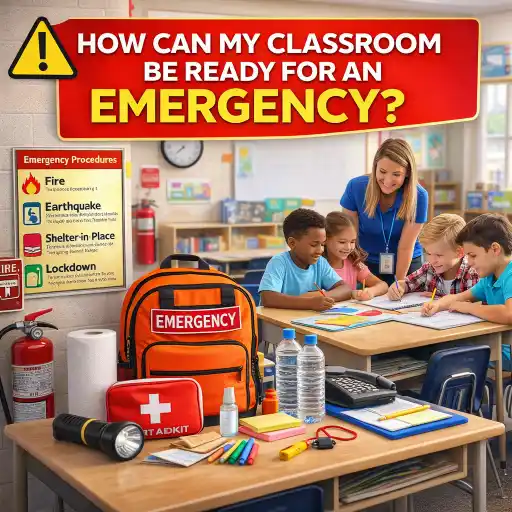
Having a written plan means everyone knows what to do. Your plan should be simple, shared, and easy to find. Key parts include:
- Risk check: List likely problems (fire, severe #weather, medical emergency, intruder). Talk with staff and local responders about local risks as part of an emergency preparedness plan Buy Now $0.00.
- Clear actions: For each danger, write step-by-step rules for 1) Evacuate, 2) Shelter-in-place, 3) Lockdown, and 4) Reunification. Use plain words so substitutes and new staff understand. See sample plans at ChildCareEd sample plans Buy Now $0.00.
- Assigned roles: Put names on who announces, who checks #attendance, who carries the Go-Bag, and who calls emergency services.
- Communication plan: List how staff contact each other and families (phone tree, text, or app). Keep a printed contact list in your main folder and Go-Bag.
- Keep it current: Review the plan at least once a year or after staff changes. Document each review and drill.
Why this matters: A clear plan lowers panic and speeds safe action. A written plan also helps with licensing and shows parents you value #safety and #preparedness. For more guidance on overall steps, see ChildCareEd's safety protocols.
How should I train staff and practice drills with children?
- Train first: New hires should get plan training on day one. Offer refreshers yearly and after any change. ChildCareEd offers courses like Emergency and Disaster Preparedness
 Buy Now
 $55.00$45.00 to help staff learn the details. For a structured, proven curriculum that covers prevention, response, and reunification procedures, consider the Ready for Anything emergency and disaster preparedness training to build consistent competencies across your team. - Schedule drills: 1) Fire drills monthly, 2) Shelter/lockdown drills quarterly or as your state requires. Practice at different times (naptime, outdoor time) to check all routines.
- Use plain language: Teach children short, calming cues ("Walk to the hall," "Stay low," "Hands on shoulders"). Keep instructions simple and repeat them.
- Include everyone: Practice moving children with special needs, infants, and those who need extra help. Plan who carries medications and equipment.
- Debrief after each drill: Write down what worked, what was slow, and one change to make. This helps improve the plan fast.
Tip: Consider adopting a simple common protocol like the Standard Response Protocol (SRP) to use clear words for actions; local first responders often know these terms. For training options and drills guidance, see ChildCareEd training Buy Now $60.00 and extra tips at the I Love U Guys SRP. You can also use community awareness days—such as National First Responders Day—to invite local responders to meet children, reinforce safety lessons, and build relationships.
How do I communicate with families and run reunification safely?
- Share the plan early: Give families a short summary of evacuation, shelter, and reunification rules at enrollment and in your handbook. Remind them before drills so they are not surprised.
- Multiple ways to reach families: Use phone calls, text blasts, email, and one out-of-area contact number. Keep printed contact cards in the Go-Bag.
- Designate reunification sites: Pick a primary and a backup meeting spot away from hazards. Post these in the classroom and include them in parent notices.
- Verification rules: Only release children to adults listed on the child’s emergency form. Ask for photo ID and record the time and name during pick-up. Use a simple sign-out log to track releases.
- Use public resources: Follow CDC guidance on reunification and tips from CDC reunification and ChildCareEd resources like From Tornadoes to Lockdowns.
Note: Families may be stressed after an event. Use calm, clear language and explain steps. Keep copies of each child's emergency form in your Go-Bag and classroom folder (Child Care Emergency Form Buy Now $0.00).
What supplies should I pack and how do I maintain them?
A ready kit gives you the tools to care for children until help or parents arrive. Keep a main Go-Bag and smaller classroom bags if you have multiple rooms. Check and update supplies regularly.
- Essentials to include:
- Documentation: Printed attendance, emergency contact list, health forms, and medication consents.
- First aid: Comprehensive kit with gloves, bandages, antiseptic, and a CPR barrier. See ChildCareEd Go-Bag checklist.
- Food and water: 72-hour supply of bottled water and non-perishable snacks; formula and diapers if needed.
- Tools and comforts: Flashlight, batteries, whistle, emergency blanket, crayons and books for comfort.
- Extra items for special needs: Spare hearing aid batteries, oxygen info, medication labels, and copies of doctor orders. Texas and Red Cross checklists give great packing lists: Texas Ready, Red Cross.
- Maintenance schedule:
- Check kits every 3-6 months for expired food, water, and medicine.
- Update contact lists whenever enrollment changes.
- Store the main Go-Bag by an exit and tell all staff where it is.
- Practice grabbing it during drills so the person in charge remembers their role.
Common mistakes to avoid:
- Relying only on phones (power may be out). Keep printed lists.
- Not practicing with the actual Go-Bag.
- Forgetting to update medication lists when child needs change.
Conclusion
Emergency preparedness in classrooms is about making clear steps, practicing them, and keeping the right supplies handy. Do this by: 1) writing a simple plan, 2) training staff and children, 3) communicating with families, and 4) keeping a checked Go-Bag. Small, regular efforts make a big difference in keeping children safe and calm. For templates, training, and sample forms, explore ChildCareEd's resources such as the Emergency Preparedness Plan Buy Now $0.00 and the Go-Bag checklist. Remember: keep your plan up-to-date and check rules in your area—state requirements vary - check your state licensing agency.
Practice and training turn a plan into safe habits. Follow these steps so staff and children know what to do calmly and quickly.Clear family communication keeps everyone calm and helps reunify children quickly. Plan this in steps and make it simple for staff and parents to follow.- Lesson Planning for Preschoolers
- How To Keep A Healthy Class for Infants/Toddlers
- Basic Health & Safety and Breastfeeding Awareness
- 45 Hour Preschool Methods and Materials
- Children at the Wheel: Emergent Curriculum
- Pediatric RSV First Aid & CPR/AED
- 45 Hour School Age Methods and Materials
- Texas Director Credential
- CDA Certification en Español: Recursos y Consejos para Educadores Bilingües
- How to Open a Home Daycare in Texas
- How to Open a Home Daycare in Wisconsin
- How to Get a Daycare License in Nevada
- How can my classroom be ready for an emergency?
- How can Washington, D.C. child care providers keep children safe during transitions, drop-off, and pick-up?
- How can DC early childhood educators keep classrooms safe in busy urban child care settings?
- New Child Care Regulations in Georgia for 2026
- How do we handle a child care emergency in New York: policies, drills, and preparedness?
- Celebrando la amistad en el cuidado infantil durante el Día de los Mejores Amigos
- How Can Florida Child Care Providers Prepare for Licensing Visits?
- Home Daycare Basics: Licensing, Safety, and Training
- How can food safety training keep children safe in my child care program?
- How can food safety training protect children in my child care program?
- How Can North Dakota Providers Best Prepare for a Licensing Visit?
- How Can I Pass My OCFS Inspection: A New York Provider's Checklist?
- How do I build an effective emergency preparedness plan for my Kansas child care program?
- Child Care Administration Course: Are You Ready to Manage Adults, Not Just Classrooms?
- Pediatric First Aid for Teachers: Blended or In-Person—Which Should You Choose?
- What Qualifications Do You Need to Be an Assistant Director at a Daycare?
