ChildCareEd invites practitioners to consider the pedagogical potential of DIY snow globes. Explore related courses such as Building Little Learners  Buy Now $10.00 and Community & Family Engagement Buy Now $24.00. Used deliberately, these seasonally themed projects can scaffold fine motor development, support emergent vocabulary and sequencing skills, and strengthen family engagement when paired with brief reflection and documentation. Plan materials and the workspace with attention to safety, accessibility, and differentiated adaptations appropriate to learners' developmental levels; below we provide practical instructions, assessment ideas, and inclusive modifications.
How do DIY crafts benefit young children?
DIY #crafts not only provide a fun outlet for self- #expression but also help #develop fine motor skills and enhance cognitive abilities through engaging tasks.
What are the benefits of DIY crafts for kids?
- Encourages Creativity: Crafting allows children to express their imagination and creativity. They can personalize their projects, making each creation unique and reflective of their personality.
- Develops Fine Motor Skills: Activities such as cutting, gluing, and assembling components help improve hand-eye coordination and dexterity, essential skills for young children.
- Enhances Cognitive Skills: Following instructions and planning out their projects can boost problem-solving skills and executive function, which are crucial for academic success.
- Promotes Focus and Patience: Completing a craft project requires concentration and patience, teaching kids the value of persistence and the satisfaction of finishing a task.
- Fosters Bonding: Crafting can be a wonderful family activity, providing opportunities for #parents and children to bond over shared creative experiences, enhancing family relationships.
What are simple DIY craft ideas for kids?
- DIY Snow Globes: As discussed, snow globes are a fantastic winter project that combines creativity with fine motor skill #develop Buy Now $10.00ment. Kids can choose their favorite figurines and customize their globes with different colors and glitter, making each globe a personal masterpiece.
- Puffy Paint Snow Globes: Using simple materials like shaving cream and glue, kids can create their own snowy scenes on paper, allowing for a mess- #free alternative to traditional snow globes while still engaging their artistic side.
- Photo Eskimo Craft: Kids can take pictures of themselves and create a fun winter-themed craft by placing their photos inside a snow globe outline made from construction paper, merging photography with crafting.
- Winter Animal Crafts: Using paper plates, children can create adorable winter animals like penguins or snowmen, enhancing their crafting skills while having fun and learning about different animals.
- Seasonal Decor: Encourage kids to make decorations for different seasons, such as painted leaves for fall or snowflakes for winter, allowing them to explore various themes throughout the year and celebrate the changing seasons.
Which winter crafts support development and play?
-
Puffy Paint Snow Globes: This craft allows kids to create their own snow globe scenes using homemade puffy paint. The materials are simple and can be found at any local store, making it an accessible project for families. Kids will love mixing the ingredients and watching their creations come to life, providing a sensory experience that enhances their fine motor skills.
-
Snowman Paper Plate Craft: Using paper plates, kids can create adorable snowman decorations. This craft is easy to execute and requires minimal supplies, making it perfect for a quick winter activity. It encourages imaginative play as children can personalize their snowmen with various accessories, fostering creativity and self-expression.
-
Photo Eskimo Craft: Transform your little ones into Eskimos with this fun photo project
Buy Now $10.00. It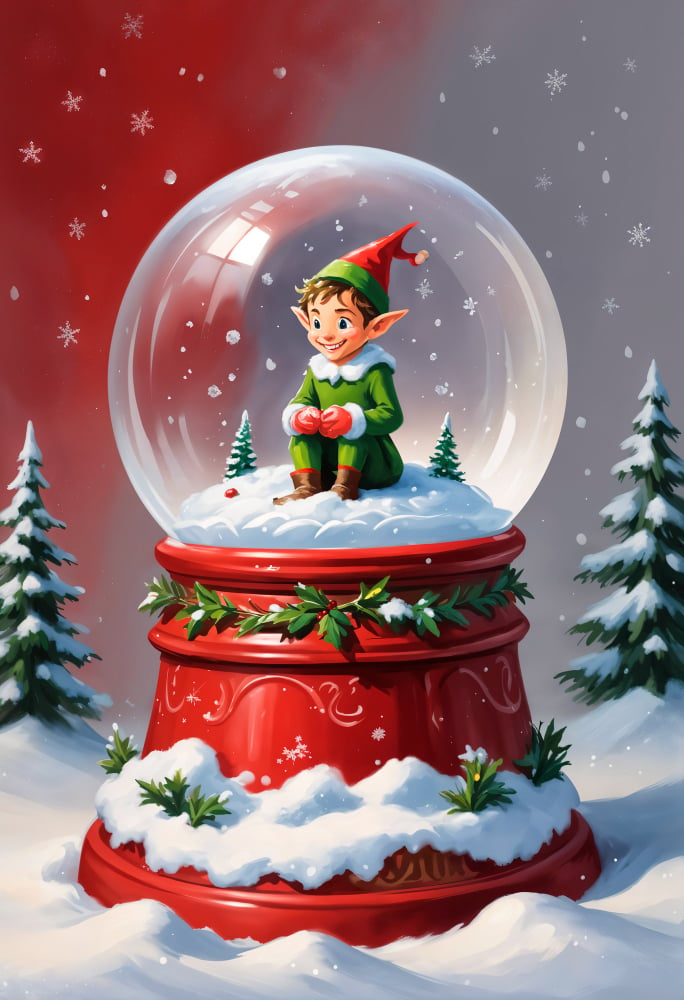 ’s a great way to get kids excited about winter while staying warm indoors. This craft not only fosters creativity but also provides a memorable keepsake that families can cherish for years to come.
 -
Snowglobe Olaf Craft: For fans of Disney, this craft involves creating a paper snow globe featuring Olaf from Frozen. It’s a fun and easy project that can double as a unique gift. Kids will enjoy the process of assembling Olaf and adding their own artistic touches, making it a delightful winter activity.
-
Winter Polar Animal Stickers Scene: Kids can create scenes using stickers of winter polar animals, which helps develop their creativity and storytelling skills. This craft is perfect for enhancing fine motor skills as children peel and place stickers, allowing them to engage in imaginative play while practicing dexterity.
Buy Now $10.00 -
Penguin Headband Craft: This simple craft allows kids to make cute penguin headbands, adding a fun accessory to their winter wardrobe. It’s a delightful way to celebrate the season while engaging in a hands-on activity that promotes creativity and fine motor development.
-
Winter Fun Worksheets: Incorporate learning with winter-themed worksheets that include counting, graphing, and handwriting activities. These can be a great way to keep kids engaged while reinforcing educational skills, making learning fun during the winter months.
How can families use creative activities to connect and learn?
-
Crafting Together: Expand your crafting repertoire beyond snow globes. Engage in other DIY projects such as making holiday ornaments, painting canvases, or creating personalized greeting cards. These activities can be tailored to different age groups, ensuring everyone can participate and express their creativity.
-
Cooking as a Family: Involve everyone in the kitchen by preparing a family meal or baking treats together
Buy Now $24.00. Choose recipes that allow for creativity, such as decorating cookies or making homemade pizzas where everyone can choose their toppings. This not only teaches valuable cooking skills but also promotes teamwork. -
Outdoor Adventures: Take your creativity outside! Organize a nature scavenger hunt, go for a family hike, or have a picnic in the park. Encourage kids to collect natural items like leaves or stones that they can later use in their crafts, integrating nature into your creative projects. For simple, screen-free outdoor fun, make paper airplanes together and test different folding techniques and flight patterns.
-
Game Nights: Set aside a night for board games or card games. This not only fosters teamwork but also provides a platform for friendly competition and laughter. Consider creating a family tournament with small prizes to make it even more exciting
Buy Now $24.00. -
Storytelling Sessions: Encourage family members to share stories or create a story together. You can even turn this into a fun activity by illustrating the story or acting it out. This nurtures imagination and strengthens communication skills.
-
Seasonal Crafts: Align your crafting activities with the seasons or upcoming holidays
Buy Now $10.00. For example, create spring-themed decorations or Halloween costumes, which can be a fun way to celebrate the time of year and keep the crafting spirit alive throughout the seasons. -
Family Movie Night: Choose a family-friendly movie and create a cozy atmosphere with blankets and popcorn. After the movie, discuss your favorite parts or characters, and even consider creating crafts based on the film. This can #lead to deeper conversations and shared experiences.
What are the key takeaways?
DIY snow globes and seasonal crafts are low-cost, skill-building activities that promote fine motor development, creativity, and family engagement. Use simple adaptations for age and safety, supervise materials that pose a choking risk, and consult the linked ChildCareEd resources for activity variations and step-by-step instructions.
What should educators take away from DIY snow globe activities?
Practical takeaways: 1) Plan materials and supervision with an emphasis on choking-risk mitigation and accessibility for different developmental levels. 2) Embed brief, focused learning goals (e.g., pincer grasp practice, sequencing steps, vocabulary for descriptive language) and document progress. 3) Share adaptations and finished projects with families to strengthen home–school connections and extend learning. These steps help translate a simple craft into intentional, standards-aligned learning opportunities.
How should educators summarize the essential actions and safety steps?
In summary: treat DIY snow globes as intentional learning experiences by aligning preparation and supervision with measurable developmental objectives, embedding brief observational goals (for example, pincer-grasp practice or sequencing), and communicating modifications to families. Prioritize choking-risk reduction, select inclusive materials, and record observable skill gains so that a seasonal craft also advances children's fine motor development and family engagement.
- Health, safety and nutrition
- Curriculum
- Professionalism
- Child development
- Community
- Infant/ Toddler Educators
- Preschool Educators
- School-Age Providers
- Family Child Care Providers
- Content Areas
- Social/Emotional
- Families
- Observation
- Child Development
- Mental Health
- Diversity, Equity, Inclusion
- Website Articles
- CPR
- Health, safety and nutrition
- Curriculum and Environment
- Child development
- Community and Family
- Montessori
- Child Guidance
- Observation and Assessment
- Birth to Five CDA Credential with Portfolio Review
- Play Safe, Think Big: Literacy Through Play
- Pediatric RSV First Aid & CPR/AED
- CDA Bridge Bundle: Family Child Care without Portfolio Review
- CDA Bridge Bundle: Infant/Toddler without Portfolio Review
- CDA Bridge Bundle: Preschool without Portfolio Review
- Creating Environments that Nurture Growth and Community
- Texas Director Credential
- Every Moment Matters: Schedules and Transitions
- Thanksgiving Booklet Activity
- Developing Skills Through Fall Crafts in Childcare
- 10 Fine Motor Activities to Keep Tiny Hands Warm this Winter
- DIY Snow Globes: The Fine Motor Craft That’ll Keep Kids (and Adults) Busy for Hours
- Big Snowflakes, Bigger Milestones: Supporting Child Development Through Seasonal Activities
- CDA Certification en Español: Recursos y Consejos para Educadores Bilingües
- Cuáles Son las Señales de Alerta en el Desarrollo Infantil que Todo Educador Debe Conocer?
- ❄️ ¿Qué actividades al aire libre funcionan bien para los niños de Illinois en cada estación? 🌷🍂
- Juegos de Motricidad Gruesa
- Recursos en Español sobre el Sueño Seguro del Bebé
- Apoyo en Español para Capacitaciones Grupales Presenciales y por Zoom en Cursos Selectos
- ¿Cómo afecta la dopamina a los niños: señales, efectos e influencias diarias?
- Actividades de Motricidad Gruesa que Desarrollan el Equilibrio, la Coordinación y la Fuerza
- Consejos de Supervisión Activa para Salones de Preescolar y el Juego al Aire Libre
- Cómo Ser Maestra de Preescolar en Dakota del Norte
- Capacitación Previa al Servicio para Proveedores de Cuidado Infantil en Dakota del Norte
- Canciones, juegos y preguntas de círculo para niños
- Easy Pool Noodle Sea Creatures for Ocean Theme Activities
- Easy Glitter Crafts for Toddlers and Preschoolers
- Toddler Glitter Crafts: Fun, Safe, and Easy Ideas
