ChildCareEd explores the children's nervous system, its role in #health, and practical strategies to support regulation. See our courses such as Mental Health in Early Childhood  Buy Now $24.00 and Healthy Habits From the Start Buy Now $24.00 for applied techniques. This article explains key functions of the nervous system and describes how movement and breathing support emotional and physical regulation.
What is the children's nervous system and why does it matter?
The nervous system in children is responsible not only for basic bodily functions but also #plays a significant role in their emotional and cognitive #development. As children grow, their nervous system undergoes various changes that impact their ability to learn, interact, and manage #stress.
What are the key functions of the children's nervous system?
-
Central Nervous System (CNS):
- Comprises the brain and spinal cord, serving as the control center for processing information.
- Coordinates responses, enabling children to react effectively to their environment.
-
Peripheral Nervous System (PNS):
- Includes all the nerves outside the CNS, connecting the CNS to limbs and organs.
- Facilitates communication throughout the body, allowing for both voluntary and involuntary actions.
-
Develop #mental Aspects:
- The brain reaches adult size around age 7, but continues to develop, particularly in the frontal lobes, which are crucial for planning, decision-making, and impulse control.
- Myelination, the process of insulating nerve fibers, enhances the #speed of neural communication, improving reaction times and cognitive functions essential for learning and physical coordination. Buy Now $24.00
-
Impact on Physical Health:
- Regulates involuntary functions such as heart rate, digestion, and respiratory rate, ensuring smooth bodily operations.
- Plays a role in physical responses to stress, activating the "fight or flight" response, which can affect a child's physical state during stressful situations.
-
Influence on Mental Health:
- Stress and anxiety can impact the nervous system, #leading to physical symptoms like headaches or stomachaches, common in children facing emotional challenges.
- Chronic stress can alter brain structure, particularly in areas responsible for memory and emotional regulation, potentially leading to long-term #mental-health issues.
Why are stretching and breathing important for children's nervous system?
-
Stretching:
- Alleviates muscle tension, promotes relaxation, and improves blood flow, which is vital for maintaining physical health (see Understanding the Sensitive Period for Movement).
- Encourages the release of endorphins, enhancing mood and reducing feelings of anxiety, making it a beneficial practice for children.
-
Breathing Techniques:
- Deep breathing activates the parasympathetic nervous system, calming the body and reducing stress, helping children regain focus and composure.
- Techniques such as belly breathing can assist children in managing anxiety and improving concentration, providing them with tools to cope with stressful situations. Buy Now $24.00
How does the nervous system affect children's mental well-being?
Children's mental well-being is intricately linked to their nervous system, which plays a pivotal role in how they process emotions and respond to stress. Here are some key points to consider:
-
Understanding Stress: Stress is a natural response to challenges, but when it becomes chronic, it can negatively impact both physical and #mental-health. Children may experience stress from various sources, including academic pressures, social dynamics, and family issues. Recognizing the signs of stress in children is essential for timely intervention (see Can we tame the ‘monsters’ of big emotions in young children?).
-
The Role of Emotional Regulation: Teaching children to recognize and manage their emotions is essential. Emotional regulation helps them cope with #stressors effectively, leading to improved #mental-health outcomes. Strategies such as labeling emotions and discussing feelings can empower children to #express themselves constructively.
-
Stress Management Techniques: Implementing relaxation techniques can significantly enhance children's ability to handle stress (see Stress Management and Mental Health). Some effective methods include:
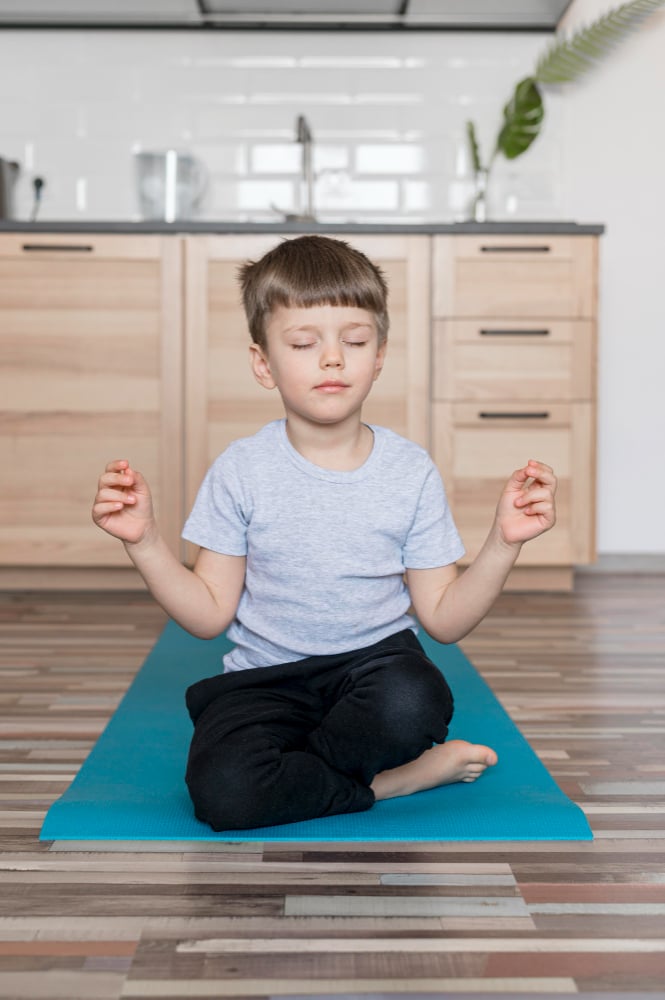
- Breathing Exercises: Deep, diaphragmatic breathing can help calm the nervous system and reduce anxiety. Encouraging children to take slow, deep breaths can promote relaxation and help them regain control during stressful moments.
- Stretching and Physical Activity: Engaging in physical activities, such as stretching or playing sports, can help release built-up tension and improve mood. Regular movement not only benefits physical health but also enhances emotional well-being.
- Mindfulness and Meditation: Simple mindfulness practices can help children focus on the present moment, reducing feelings of anxiety and promoting a sense of calm. Techniques such as guided imagery or mindful walking can be particularly effective.
-
Social Support: Encouraging strong social connections can bolster resilience. Children who feel supported by friends and family are better equipped to handle stress. Facilitating opportunities for social interaction, such as playdates or group activities, can strengthen these bonds (see How Can Child Care Providers Help School-Age Children Manage Stress?).
-
Nutrition and Sleep: A balanced diet and adequate #sleep are foundational for mental well-being. Proper nutrition fuels the brain, while good sleep hygiene supports emotional regulation and cognitive function. Parents should encourage #healthy-eating habits and establish consistent bedtime routines (see Kickstart a Healthy Routine for Kids That Actually Sticks).
-
Seeking Professional Help: If stress becomes overwhelming, it is important for #parents and caregivers to seek help from mental health professionals. Early intervention can prevent long-term mental health issues. Open communication about mental health can normalize seeking help and reduce stigma. Providers should also attend to their own well-being; see self-care and stress-management strategies for providers.
Summary: What are the key takeaways?
Stretching, brief movement breaks and simple breathing exercises help support nervous-system regulation, emotional self-regulation and physical health in children. Integrate short, developmentally appropriate movement and belly-breathing practices into routines, teach them with play-based prompts, and monitor how children respond. If stress or dysregulation persists, consult mental-health professionals and follow state licensing guidance for interventions.
What are the practical next steps for child care providers?
Integrate brief, developmentally appropriate movement breaks (2–5 minutes) and teach one simple breathing strategy (for example, belly breathing or 4–4 breathing) in predictable moments: transitions, before focused activities, or when a child shows dysregulation. 1) Model the practice and use playful prompts; 2) Embed the activity in routine so it becomes a cue for regulation; 3) Monitor and document children's responses and adapt timing/length. If a child shows persistent dysregulation or physical symptoms, consult mental-health professionals and follow state licensing guidance. For practical classroom activities and tested routines that build self-regulation through play, see the ChildCareEd course From Tantrums to Triumphs: Equipping Preschoolers with Self-Regulation Skills Buy Now $25.00. Child care directors can strengthen implementation and staff coaching by modeling routines, scheduling brief professional development, and clarifying expectations; for guidance on leadership, communication, and operational strategies to support these efforts, see Improving Your Skills as a Child Care Director.
Key action items: 1) Start with two daily group movement/breathing mini-sessions; 2) Share a simple script with caregivers so strategies are used consistently; 3) Track improvements in attention/regulation over 2–4 weeks and adjust as needed. To strengthen home–school consistency and reduce tantrums, share communication and partnership strategies with families; see New Year, Fewer Tantrums: Tips for Building Strong Parent-Educator Partnerships in 2025 for practical approaches.
- Health, safety and nutrition
- Child development
- Mental Health
- Diversity, Equity, Inclusion
- Child Guidance
- Family Child Care Providers
- Preschool Educators
- Child development
- Infant/ Toddler Educators
- Community and Family
- Curriculum and Environment
- Health, safety and nutrition
- Families
- Social/Emotional
- Content Areas
- Health and Safety
- Child Development
- School-Age Providers
- 45 Hour Child Growth and Development
- CDA Home Visitor Subject Area 3 Part 3 Birth to 5
- CDA Home Visitor Subject Area 2 Part 3 Birth to 5
- Pediatric RSV First Aid & CPR/AED
- 24 Hour Texas Pre-Service
- CDA Bridge Bundle: Family Child Care without Portfolio Review
- CDA Bridge Bundle: Infant/Toddler without Portfolio Review
- CDA Bridge Bundle: Preschool without Portfolio Review
- Creating Environments that Nurture Growth and Community
- Texas Director Credential
- Maximizando la Alegría y el Aprendizaje del Verano: el Papel de la Supervisión Infantil en el área Metropolitana de Dallas
- The Unofficial Guide to Acing the Child Development Associate Training: Humor & Hacks
- National Grouch Day: Turning Grouches into Giggles, Teaching Kids about Handling Negative Emotions
- A humorous look at children's nervous system: Why stretching and breathing are key
- CDA Certification en Español: Recursos y Consejos para Educadores Bilingües
- 🌙 ¿Cómo afecta el tiempo frente a las pantallas el sueño y el comportamiento infantil? 😴
- 🩺 Cumplimiento de Salud e Inmunización en Cuidado Infantil de Nevada ✔️
- 🚌 ¿Qué Significan las Regulaciones de Transporte de Illinois para las Excursiones Infantiles? 🚦
- Lista para Guardería en Casa en Illinois: Cómo Iniciar una Guardería en el Hogar
- Capacitación Previa al Servicio para Proveedores de Cuidado Infantil en Georgia
- Why Do Classroom Management Strategies Fail With 3-Year-Olds—and What Works Instead?
- Big Feelings, Busy Bodies: Self-Control Activities for Toddlers
- How Does Co-Regulation Help Children Learn to Calm Down?
- How Can Child Care Providers Put Trauma-Informed Practices Into Action?
- How Can Child Care Providers Keep Children Calm, Engaged, and Regulated After Lunch?
- How Can Teachers Support Children With Big Emotions?
- How Can Child Care Providers Calm an Overstimulated Child in a Busy Classroom?
- How Can Preschool Teachers Recognize and Respond to Sensory Overload in the Classroom?
- How Can Child Care Providers Teach Preschoolers to Manage Big Emotions?
