What are #empathy, inclusion, and friendship skills—and why do they #matter?
Empathy means noticing how someone else feels and caring about it. Inclusion means making sure everyone belongs—even if they look, talk, move, or #learn differently. Friendship skills are the tools children use to start #play, keep play going, and solve problems.
When children build these skills, you may see more:
- Sharing and turn-taking
- Kind words and helping behaviors
- Stronger peer connections
- Fewer hurt feelings and conflicts
These skills #support-learning, too, because children can focus better when they feel accepted.
How can I teach empathy in a simple, #preschool-friendly way? 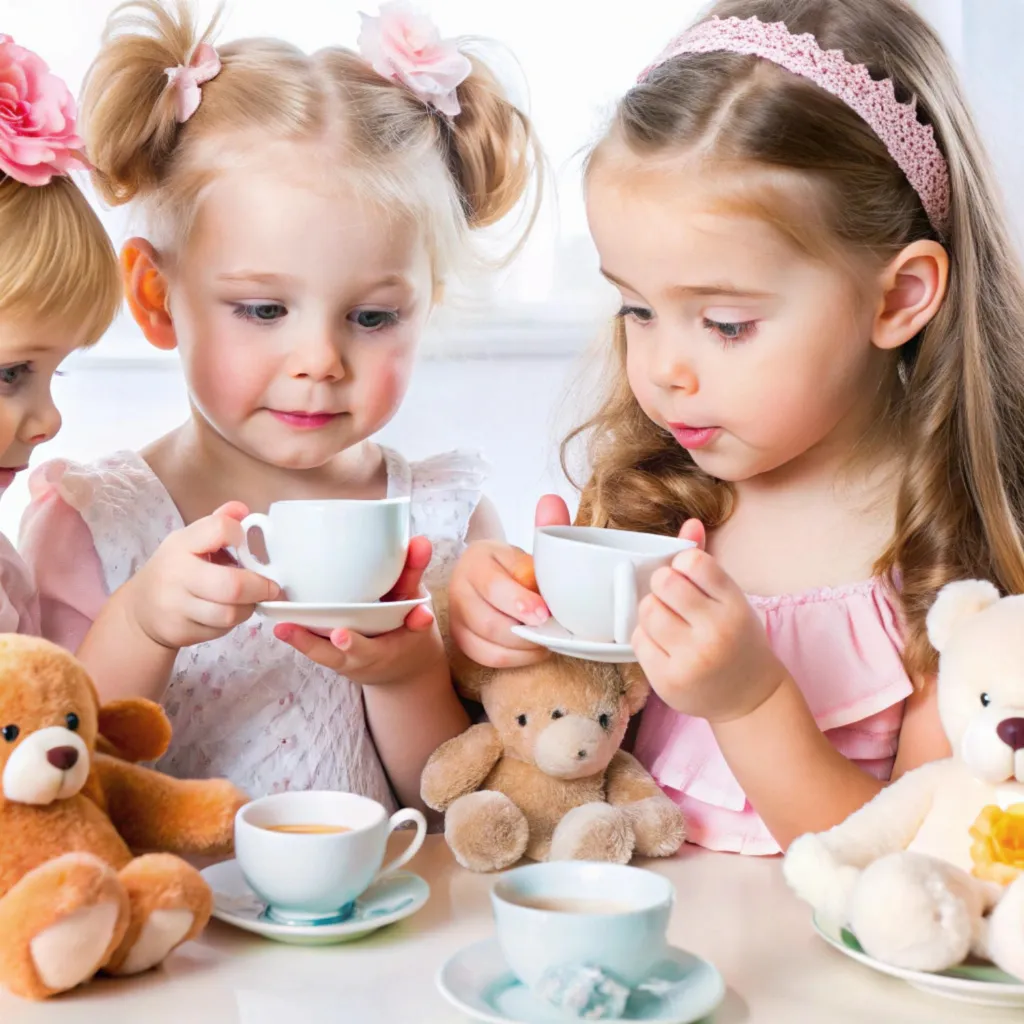
Empathy grows when children learn to name feelings and notice clues (faces, body, voice). Try these quick, everyday strategies:
- Use feeling words all day.
“You look disappointed.” “I see you’re excited!” - Play “Feelings Detective.”
Ask: “What do you think Maya feels? How can we tell?” - Read-aloud pause points.
Stop and ask: - “How does the character feel right now?”
- “What could a friend do to help?”
This is a great spot to add #Empathy naturally. - Teach a “helping sentence.”
Give children one easy phrase to start:
“Are you okay?” or “Do you want to play with me?”
Tip for non-native English speakers: Use pictures, gestures, and real objects. A feelings chart with faces can help children understand and communicate faster.
What games and activities build empathy and kindness?
Keep activities short (5– #10 minutes). Repeat them often.
Feelings Charades
- Show a feeling card ( #happy, sad, mad, scared, proud).
- A child acts it out with their face and body.
- The group guesses and shares one kind response:
“If someone feels sad, we can ____.”
Kindness Bingo
Create a simple chart with actions like:
- “Share a toy”
- “Say ‘thank you’”
- “Help clean up”
- “Invite someone to play”
When the class fills a row, celebrate with a group cheer or dance break. #Kindness
Puppet Problem-Solving
Use two puppets to act out common issues:
- “I want that toy!”
- “You can’t play!”
- “You bumped me!”
Then ask children to help the puppets:
- “What could Puppet A say?”
- “What could Puppet B do?”
How do I teach inclusion so every child feels they belong?
Inclusion starts with the message: “You are important here.” Children learn inclusion from what they see you do every day.
Try these #classroom habits:
- Use names often. “Good morning, Amir!” “I’m happy you’re here, Sofia!”
- Show many kinds of families and #cultures in #books, songs, and photos.
- Offer more than one way to join play. Some children talk first, some watch first, some need help starting.
Here are simple inclusion phrases to teach:
- “You can play with us.”
- “Let’s make space.”
- “Do you want a turn after me?”
- “We can all be helpers.”
For children with disabilities or different learning needs: Inclusion also means making play accessible (bigger pieces, quieter spaces, visual directions, extra time). A small support can make a big difference.
What do I say when children exclude others?
Exclusion is common in #early-childhood. Children are still learning social power and group rules. Your calm, clear words teach better choices.
Use a simple 3-step response:
- Stop the behavior: “In our class, we include.”
- Name the goal: “Everyone belongs and everyone gets a turn.”
- Coach the next step: “Say, ‘You can play.’ Let’s try it together.”
If a child says, “You can’t play,” you can also teach a choice:
- “You can say, ‘We’re using this now. You can join in 2 minutes,’ or ‘You can be the driver next.’”
This protects play while still including others.
How can I teach real friendship skills children can actually use?
Friendship skills are easiest when you teach short “scripts” children can copy. Practice them during play—not only during conflict.
Teach these three big skills:
1) How to join play
- “Can I play?”
- “What are you building?”
- “Can I be the helper?”
2) How to keep play going
- “Let’s do it together.”
- “You be the baby, I be the doctor.”
- “What should we do next?”
3) How to solve problems
Try a simple “peace steps” routine:
- “Stop.”
- “Say the problem.”
- “Pick a solution.”
- “Try it.”
Repeat the same words every time. Children learn faster when the steps stay the same.
How do I build a classroom culture where kindness is the normal choice?
Kindness grows when children feel #safe, connected, and noticed. 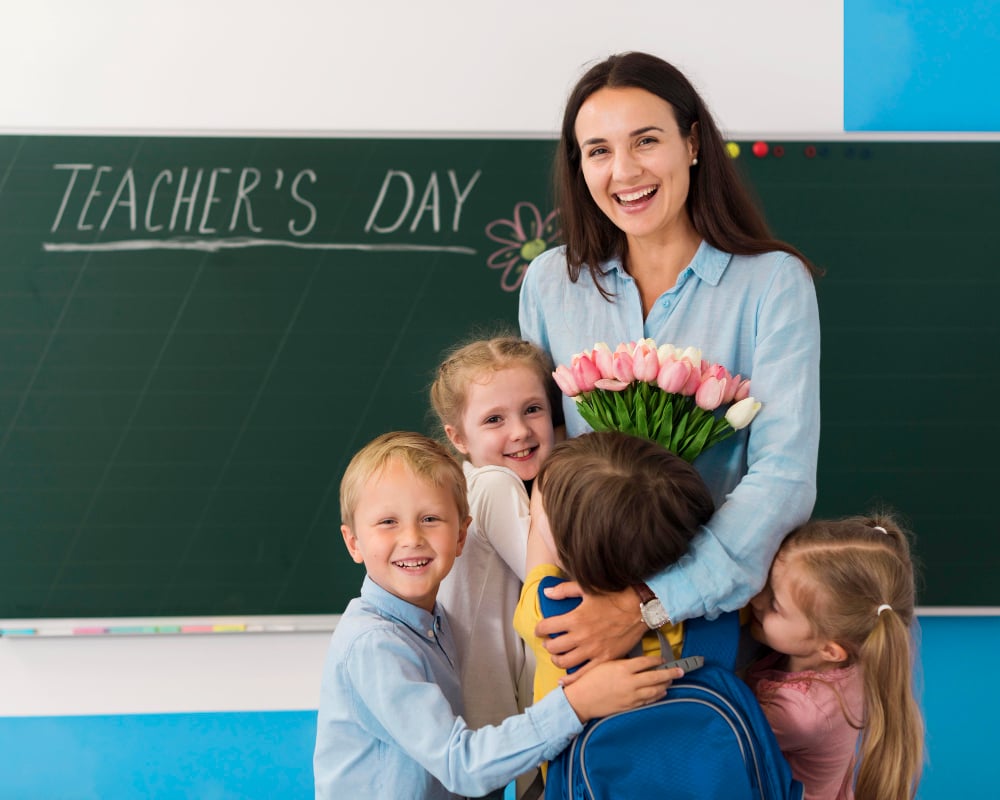
Try these high-impact routines:
- Greeting choice at the door: wave, fist bump, or smile.
- Partner jobs: pass out napkins, feed the class pet, water plants.
- Compliment circle (once a week): “I like when you ____.”
- Friendship spotting: “I saw you invite Jonah. That was inclusive.”
Small positive moments add up.
Related ChildCareEd training and resources
If you’d like more support, these ChildCareEd options connect well to empathy, inclusion, and friendship skills:
Courses (from the ChildCareEd course catalog):
- Brighter Futures: Social Emotional Development
 Buy Now $16.00
 - Access for All: Inclusion and the ADA Buy Now $16.00
- Trauma-Sensitive Care: Supporting Young Children with Empathy Buy Now
$16.00$11.00
Free resource:
Related ChildCareEd article:
Stay connected: Want more easy activities and quick teaching scripts? Follow ChildCareEd on social media here: ChildCareEd on Linktree
- CDA Home Visitor Subject Area 2 Part 3 Birth to 5
- The ABCs of Behavior: Turning Challenges into Learning Opportunities
- Teach with Respect!
- Opportunity for Growth: Emotional Development
- CDA Infants/Toddlers: Individualized Learning and Inclusion
- Texas Director Credential
- Access for All: Inclusion and the ADA
- Engaging Families for Child Success
- Diverse Perspectives in Child Care
- Trauma-Sensitive Care: Supporting Young Children with Empathy
- Building Social Foundations
- How can rainy day indoor activities help preschoolers learn kindness and cooperation in Georgia?
- Team-Building Activities for Daycare: Helping Children Learn Together
- Helping Children Learn Kindness, Empathy, and Belonging
- How Can We Help Children Make Friends?
- What Should California Child Care Providers Watch For in Preschool Social Skills?
- Best Friends Day: Helping Children Learn Kindness and Friendship
- Celebrating Friendship in Child Care on Best Friends Day
- Celebrando la amistad en el cuidado infantil durante el Día de los Mejores Amigos
- Can Superhero Day Capes and Pretend Play Teach Children to Help Others?
- How can we teach kindness and friendship in our classroom?
- How can child care providers help children build friendship skills?
- How Can We Teach the Forgotten Skill of Being a Good Friend to Young Children?
- How Can Providers Support Children Through Friendship Changes?
- Team-Building Games for Preschoolers That Teach Cooperation
- How Can Child Care Providers Prevent and Respond to Bullying?
- How Can Child Care Providers Teach Friendship Skills Through Everyday Classroom Activities?
- How Can Child Care Providers Help Children Build Healthy Friendship Skills?
- How Can Child Care Providers Support a Child Who Struggles to Make Friends?
