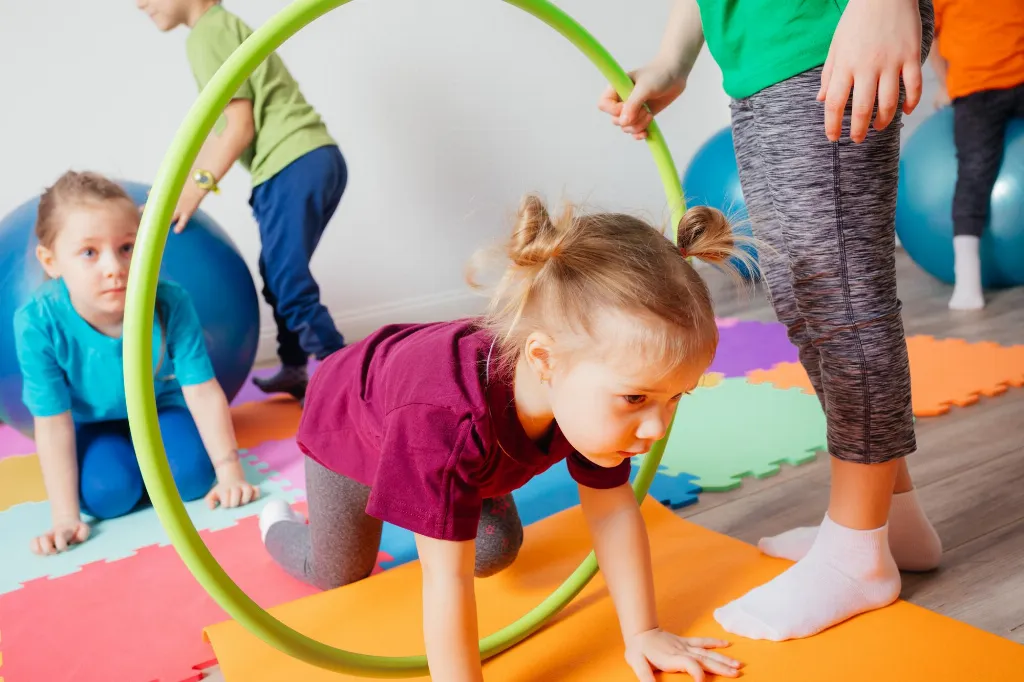
 Children need movement every day, but the amount and type of activity can change by age. When child care providers understand these age differences, it becomes easier to plan safe, fun activities that help children grow and learn.
Active play helps children build strong muscles and bones. It also supports learning, improves sleep, and helps children focus better during the day. Simple movement activities can be added to daily routines without making the schedule too hard to manage. #PhysicalActivity #ChildCare #ActiveKids
How Much Activity Do Different Age Groups Need?
Children need different kinds of movement as they grow.
Infants and toddlers ages 0–2 need many short chances to move during the day. Babies benefit from tummy time, reaching, rolling, and other gentle play. Toddlers need lots of time to move, climb, run, and explore in safe spaces.
Preschoolers ages 3–5 should be active throughout the day. This can include free play and short teacher-led activities. They benefit from games that help with jumping, balance, throwing, and other large motor skills.
School-age children ages 6–17 should get at least 60 minutes of physical activity each day. This should include active play like running, dancing, biking, or sports. On at least 3 days each week, they should also do activities that help build muscle and bone strength.
A helpful ChildCareEd resource for this topic is:
Physical Activity Recommendations for Different Age Groups Buy Now $0.00
What Activities Work Best for Each Age Group?
The best activities are simple, safe, and fun.
For infants and toddlers, good choices include:
- tummy time
- reaching for toys
- rolling games
- push-pull toys
- soft obstacle paths
For preschoolers, providers can try:
- animal walks
- bean bag toss
- balance games
- jumping games
- simple obstacle courses
For school-age children, good options include:
- tag
- relay races
- soccer
- jump rope
- bike riding
- dance activities
These activities help children practice coordination, balance, strength, and endurance. They also make movement a regular part of the day. #GrossMotor #HealthyChildren
How Can Child Care Providers Keep Active Play Safe?
Safety should always come first during active play.
Providers can help keep children safe by:
- watching children closely
- checking play equipment often
- teaching simple safety rules before play
- making sure children use safe spaces
- protecting children from too much sun or bad weather
It is also important to adjust activities for the space, age group, and needs of the children. Some activities work best outdoors, while others can be adapted for indoor play.
Because state rules can vary, providers should always check with their state licensing agency for any specific requirements.
How Can You Include Every Child in Active Play?
Every child should have the chance to join movement activities.
Some children may need simple changes to help them participate. Providers can support inclusion by:
- offering different sizes of balls or tools
- making paths wider
- using picture cues
- giving extra time
- breaking activities into small steps
These small changes can make active play easier and more welcoming for all children. When providers plan with inclusion in mind, children feel more successful and confident.
What Are Common Mistakes to Avoid?
Sometimes active play is planned with good intentions, but a few common mistakes can get in the way.
Try to avoid:
- doing the same activity every day
- using play time as punishment
- forgetting to adapt activities for different needs
- offering too much sitting time
- skipping outdoor play when it is safe to go outside
Instead, aim for variety, simple routines, and activities that match the children’s ages and abilities.
Why Does Physical Activity Matter So Much?
Physical activity supports the whole child. It helps with health, behavior, learning, and emotional well-being. Children who move often are building skills they will use every day.
When movement is part of the daily routine, children are more likely to:
- stay healthy
- sleep better
- build strong bodies
- improve focus
- enjoy learning
That is why active play should be a regular part of every child care program. #EarlyChildhoodEducation
What ChildCareEd courses can help providers plan active play?
Training can help child care providers build safe, fun movement into the day. These ChildCareEd courses fit this topic because they support active play, daily schedules, and healthy routines for children.
Helpful ChildCareEd courses include:
- Creating Safe & Healthy Child Care Environments
 Buy Now $55.00
 - Positive Attention: Interactions & Supervision for Infants & Toddlers
These courses can help providers plan movement activities, support supervision, and create a safe setting for children of different ages.
What ChildCareEd resource can you use right now?
A helpful ChildCareEd resource for this topic is:
A simple overview of how much activity children need at different ages and can help providers plan daily movement time.
What related ChildCareEd article should readers explore next?
A helpful related ChildCareEd article is:
Practical activity ideas that providers can use to help preschoolers stay active, build skills, and enjoy movement throughout the day.
- Watch Me Grow: School Age Development ONLINE
- CDA Home Visitor Subject Area 2 Part 3 Birth to 5
- How To Keep A Healthy Class: Six Tips for Germ Control
- Engaging Indoor Activities for Inclement Weather
- 45 Hour Infant and Toddler Methods and Materials
- Emergent Learning & Development
- Texas Director Credential
- Wellness in Action: Teaching Healthy Habits to Children
- Every Moment Matters: Schedules and Transitions
- Technology as a Classroom Tool
- 🥦✨ ¿Cómo apoyar a los niños selectivos a probar nuevos alimentos sin presión?
- ¿Cómo puedo enseñar habilidades de primeros auxilios con escenarios de juego de roles?
- ¿Cómo afecta la dopamina a los niños: señales, efectos e influencias diarias?
- Actividades de Motricidad Gruesa que Desarrollan el Equilibrio, la Coordinación y la Fuerza
- Capacitación Previa al Servicio para Proveedores de Cuidado Infantil en Nevada
- How can child care programs boost physical activity for young children?
- Indoor and Outdoor Activities for School-Age Children
- After-School Activities for School-Age Children
- The Role of the Environment in Children’s Physical Activity
- School-Age Lesson Plans for After-School Child Care
- What indoor activities work best for school-age children in daycare?
- What School-Age Activities Best Keep Kids Engaged?
- How can school-age daycare use outdoor activities to teach, play, and stay safe?
- What school-age group activities work best in daycare centers?
- What Hands-On Activities Work Best for School-Age Child Care?
- How can I manage mixed-age groups in my Michigan family child care home?
- Can simple soccer games build gross motor skills in young children?
- Can a Superhero Week Help Preschoolers Learn to Name and Manage Emotions?
- School-Age Program Ideas: Games, Projects, and Group Activities
