Ready to turn everyday moments into powerful skill-building practice? Short, playful activities embedded across your day strengthen hand strength, coordination, and the dexterity children need for writing, self-care, and classroom independence. For a practical next step, consider the 45‑Hour Growth & Development (Birth–Age 12) ONLINE  Buy Now
 $399.00$275.00 to deepen your understanding of milestones and plan measurable goals — and pair that with Playful Learning: Infant & Toddler Activities Buy Now $25.00 for ready-to-use activity ideas that fit routines. These courses help you convert classroom time into documented progress toward clear outcomes like improved pencil control and independent dressing. For a concise collection of classroom-tested activities and practical implementation tips, see Increasing Fine Motor Skills in the Early Childhood Education Classroom.
What simple, low-cost activities reliably build fine motor strength?
Practical, repeated practice in varied contexts builds the small muscles and coordination children need. Start with manipulatives that ask for precise finger use and progress in small steps. Try these classroom-friendly activities (many are described in ChildCareEd lists and printable resources such as What are 25 easy fine motor activities):
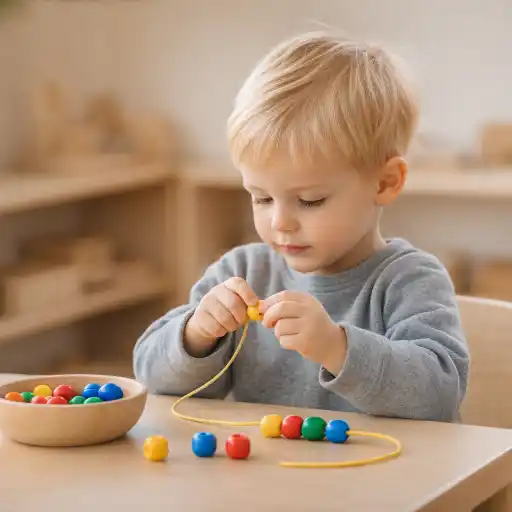
- 🔹 Threading and lacing with large beads or pipe cleaners — targets pincer grasp and bilateral coordination.
- 🧸 Tweezer/clothespin transfers — move pompoms between containers for thumb‑index squeeze and sorting practice.
- ✂️ Cutting practice using snip strips and guided scissor paths — builds scissor control and hand stability.
- 🍝 Playdough task cards: pinch, roll, flatten, and stamp to develop intrinsic hand muscles.
- 🧩 Puzzles and bolt/ nut or LEGO snap tasks — precision placement and wrist rotation.
- 🍽️ Everyday routines: encourage child feeding, zipping, buttoning, and pouring as functional practice.
Embed these in short blocks (10–20 minutes) and rotate materials weekly to maintain novelty. For sensory-rich options that also calm, see ChildCareEd tips like incorporating fine motor practice into daily activities. #finemotor
How can I weave fine motor practice into centers, transitions, and routines so staff can run them easily?
Design systems that reduce preparation time for staff and create predictable opportunities for children. Organize three to four rotating centers (Fine Motor Table, Sensory Scoop Bin, Cutting & Glue, Playdough/Construction) with picture instructions and a single objective per tub (e.g., "thread 5 beads"). Use labeled tubs and a rolling cart so substitutes can run centers without extra prep.
- 📦 Prep: one activity + laminated photo card + quick checklist in each tub.
- ⏱️ Timing: rotate every 12–20 minutes to match attention spans.
- 📊 Documentation: simple weekly checklist or photo sample per child (adaptable from ChildCareEd lesson templates).
- 🧯 Safety: remove small parts for under‑3s and remember: state requirements vary - check your state licensing agency.
Short demos and picture prompts cut staff talk-time. If you want classroom design coaching, ChildCareEd's Playful Spaces for Infants & Toddlers Buy Now $24.00 shares environment strategies that encourage independent fine motor exploration. Make each center goal visible so staff link play to learning. #preschool
How do I adapt activities for different ages, abilities, and diverse learners?
Use the "just‑right challenge" approach: change size, tool, or level of adult support. Offer three difficulty tiers in every tub (easy/medium/hard) so children self‑select. Specific adaptations include:
- Beginner: jumbo beads, built-up grips, spring scissors, and large‑handled tongs.
- Intermediate: medium beads, regular tweezers, two-step lacing, and simple cutting patterns.
- Advanced: small beads, precision tweezers, timed puzzles, and fine cutting tasks.
- Accessibility: angled surfaces, cushions for posture, clip‑on pencil grips, and hand‑over‑hand fading only when needed.
When a child continues to struggle despite adaptation, screen with milestone checklists (see the CDC milestones at CDC Milestones) and consider referral. For deeper curriculum guidance, ChildCareEd's 45‑Hour Infant & Toddler Methods and Materials Buy Now $399.00 course provides age‑specific strategies and activity progressions you can implement. #inclusion
How should I assess progress and set measurable goals?
Assessment should be lightweight, observable, and tied to functional classroom tasks. Use SMART targets and track one or two goals per child each month (examples below). Practical tools include brief checklists, photos of work samples, and short timed trials.
- 🎯 Goal example: "Threads 8 beads independently in 60 seconds" — specific and measurable.
- 📸 Evidence: a photo of completed work and a staff note on level of assistance (independent, with prompt, hand‑over‑hand).
- 📈 Frequency: observe during two short sessions weekly and update progress monthly.
- 🤝 Family sharing: send a quick photo and one home activity (e.g., cereal stringing) to encourage carryover.
Link classroom monitoring to milestones (CDC) and program screens (BRIGANCE or local tools) when available. If progress stalls, increase practice frequency, change material size, or engage specialists. Clear documentation also supports transitions for substitutes and directors reviewing classroom outcomes. #assessment
What common mistakes should we avoid, why does this matter, and what are quick fixes?
Why it matters: Fine motor competence supports handwriting, self‑care, and classroom participation — outcomes tied to school readiness and long‑term independence. Short, frequent, playful practice across routines yields more transferable gains than infrequent drills. Embedding practice in meaningful contexts preserves engagement and transfers to tasks like zipping or pencil work.
Common mistakes and fixes:
- ❗ Too-hard materials → frustration. Fix: start large, layer difficulty slowly.
- ❗ Overreliance on worksheets or screens. Fix: lead with tactile, manipulative play and use paper tasks as brief follow-ups.
- ⚠️ Safety oversights (small parts with under-3s). Fix: separate age groups, supervise closely, and store tiny materials securely; state requirements vary - check your state licensing agency.
- 😵 One-size-fits-all. Fix: offer three difficulty levels and visual cues so children self‑select the right challenge.
Quick program actions: create 3 labeled tubs this week, embed a 12–15 minute rotation daily, set one SMART skill per child for 30 days, and share a weekly photo with families. For staff training that links these steps to developmental theory and practical lesson plans, the 45‑Hour Growth & Development Buy Now $399.00$275.00 course is a strong match for directors seeking program‑level consistency.
Summary
Fine motor development is built through frequent, varied, and meaningful practice: short center rotations, routine‑embedded tasks, adaptive materials, and simple documentation. Start small—three tubs, picture cards, and one monthly SMART target per child—and use evidence‑informed resources and staff training to scale. If you want to expand your knowledge and earn training hours while getting usable tools and lesson templates, explore ChildCareEd courses such as the 45‑Hour Growth & Development Buy Now $399.00$275.00, Playful Learning: Infant & Toddler Activities Buy Now $25.00, and 45‑Hour Infant & Toddler Methods & Materials Buy Now $399.00 to support staff practice. Remember: consistent, playful practice wins — and state requirements vary - check your state licensing agency.
- Building Bridges for Dual Language Learners
- Building Bridges for Dual Language Learners: For Workforce Solutions
- Beyond the Classroom: Connecting Families to Essential Services
- Coordinating with Community in Child Care
- Pediatric RSV First Aid & CPR/AED
- Texas Director Credential
- Building Bridges for Dual Language Learners
- Environments That Inspire Independence and Exploration
- Terrible Two's Can Be Terribly Fun!
- Pencil and Paper Activiites
- Free Childcare Training
- Identifying Developmental Milestones in Children
- Montessori for Toddlers: Fostering Independence and Learning
- Pumpkin Spice and Sensory Delight: Easy Autumn Sensory Bins for Early Learners
- DIY Snow Globes: The Fine Motor Craft That’ll Keep Kids (and Adults) Busy for Hours
- Increasing Fine Motor Skills in the Early Childhood Education Classroom
- How motor skills shape child development and creative ways educators can foster them.
- CDA Certification en Español: Recursos y Consejos para Educadores Bilingües
- 🔍 ¿Qué ves cuando observas a un niño aprender?
- How Do Art Activities Support Cognitive Growth in North Dakota Preschoolers?
- How can North Dakota classrooms build toddler fine motor skills with simple activities?
- How can childcare providers support fine motor development with simple activities?
- How can childcare programs meaningfully explore Japanese culture with young children?
- What fun, practical activities help build fine and gross motor skills in early childhood classrooms?
- Why Do Pre-Writing Skills Still Matter in Early Childhood?
- How Can Child Care Providers Strengthen Fine Motor Development Through Play and Daily Routines?
