Emergency time is scary, but good planning makes it calmer for staff, children, and families. This article gives clear steps you can use today to build or improve your center's #emergency plan. You will see easy lists, training ideas, supply checklists, and ways to reunite children with parents. The most important ideas are about keeping #preparedness strong, protecting #children, making #safety routines, and planning for #reunification with families.
Why this matters: Prepared programs keep kids safe, reduce panic, and help staff act with confidence. Families trust a center that plans and practices. Also, state requirements vary - check your state licensing agency.
What should be in our written emergency plan?
Your written plan is the map your team follows when something happens. Make it simple, clear, and easy to use in a hurry. Include these key parts (numbered so you can check them off):
- 📄 Clear roles: Who calls 911? Who takes attendance? Who grabs the Go-Bag? List names and backups.
- 🗺️ Evacuation steps: Primary and backup routes, outside meeting spots, and where to go if you must relocate. Include maps and address info.
- 🏠 Shelter-in-place and lockdown steps: Exact rooms to use, how to lock/cover doors and windows, and when to resume activities. Use the Standard Response Protocol language if you want consistent terms across drills.
- 📦 Emergency supplies and Go-Bags: What each classroom needs; where kits are stored. See a sample list from ChildCareEd here Buy Now $0.00 and a classroom Go-Bag guide here.
- 📞 Communication tree: How staff contact each other and how families are notified. Include an out-of-area contact and backup methods (phone, text, paper lists).
- 🔁 Reunification plan: Who verifies ID, where reunification happens, and how you will log releases. The CDC recommends planning for fast, safe reunification—see details here.
- ♿ Special needs plan: How to move or shelter children who need help, medications, or equipment.
- 📝 Review schedule: When to update the plan and after which events or drills. FEMA and training materials at ChildCareEd show reviews and templates; see the course Emergency and Disaster Preparedness
 Buy Now
 $55.00$45.00.
Keep a one-page quick reference near each exit and with each Go-Bag. Make sure every staff member can find a printed copy quickly—phones may not work during an emergency.
How do we train staff and practice drills so everyone stays calm?
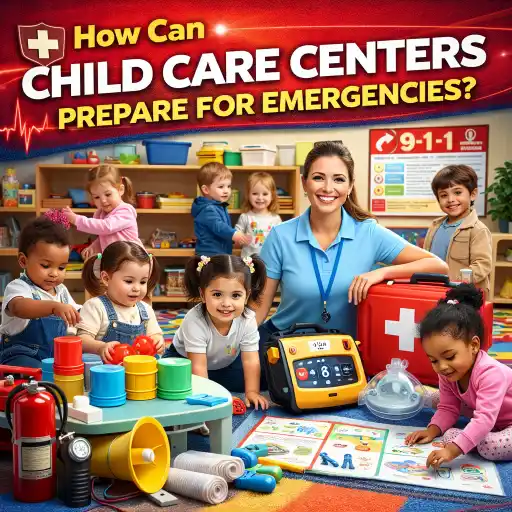
Practice makes calm. Training and drills help staff move children quickly and safely. Use short, clear training sessions and age-appropriate practice with children. Follow these steps:
- 🔁 Start with staff training: Teach the whole plan, roles, and how to use supplies. Use a course or local trainer—ChildCareEd offers online and live options: online course Buy Now
$55.00$45.00 and Zoom/in-person Buy Now $60.00. - 👩🏫 Run regular drills: 1) Fire drills monthly, 2) lockdown/shelter-in-place and evacuation drills at least quarterly or as state rules require. Document each drill with time, participants, and lessons learned.
- 🧒 Teach children in simple steps: Use short phrases and practice routes. Reinforce with songs or games so children remember without fear.
- 🗣️ Debrief after drills: Ask 3 quick questions: What worked? What was confusing? Who needs more practice? Update the plan right away.
- 👩⚕️ Include first aid and CPR training for key staff. Have staff practice taking medications and medical care during drills (following policies and permissions).
- 🤝 Involve local responders: Invite fire or police to review your plan or watch a drill. They can give practical tips and help coordinate community response.
Document everything. Written records of training and drills help you improve and meet licensing rules. For classroom-friendly lockdown guidance, see the SRP resources at I Love U Guys.
What should go in our supplies and Go-Bags?
Every minute counts when you move a group of children. A ready Go-Bag helps staff care for children for hours if needed. Keep a kit in every classroom and a larger kit by the main exit. Use this checked list:
- 🩹 First aid kit: Bandages, antiseptic wipes, gloves, CPR barrier, and any child-specific meds with signed permission. Check expiration dates.
- 💧 Water and food: Small bottles and nonperishable snacks for at least a few hours (72 hours is a good target if you can). See ChildCareEd's emergency supply list here Buy Now $0.00.
- 📋 Critical documents: Hard copies of attendance, emergency contacts, medical info, photos of children (if allowed), and your written plan in a waterproof bag.
- 🔦 Tools: Flashlight, batteries, whistle, duct tape, multi-tool, trash bags, and a hand-crank or battery radio (NOAA if possible).
- 🧸 Comfort & care: Diapers, wipes, formula, extra clothing, small books, crayons, and blankets. These items calm little ones and keep routines going.
- 🔌 Communication tools: Charged power bank, extra phone cords, and a list of local emergency numbers. Keep an out-of-area contact listed.
- 🧴Sanitation: Hand sanitizer, masks, tissues, and plastic bags for waste. The CDC recommends cleaning, disinfection, and ventilation practices for health safety—see guidance here.
Tip: Assign one person each day to check the classroom Go-Bag and update the attendance list in the kit. Replace expired items every 3–6 months. ChildCareEd's Go-Bag post has a full example to copy: Go-Bag checklist.
How do we reunify children and communicate with families after an emergency?
Reunification is about getting children back to their families quickly and safely. Plan this part carefully and practice it so staff can move fast and follow rules. The CDC emphasizes that quick reunification improves children's outcomes; read their tips here.
- 📍 Choose reunification sites: Pick primary and backup locations (one close, one farther away). Tell families where these places are ahead of time.
- 🧾 Use a check-out process: Require photo ID, sign-out sheets, and verify that the person picking up is listed as an authorized contact. Keep a paper log and copies in your Go-Bag.
- 📣 Communicate clearly: Use multiple channels—phone, text, email, social media, or an out-of-area contact number. Keep messages short and consistent: where to go, what to bring, and what time windows to use.
- 👥 Staff roles during reunification: 1) Greeter/verification, 2) Sign-out recorder, 3) Communicator with families outside, 4) Supervisor of waiting area. Practice these roles in drills.
- 🧠 Emotional support: Reassure children and families. Allow time for calm transitions, and have quiet items or staff trained to comfort children after stressful events.
- 🤝 Coordinate with partners: Work with local emergency management, Red Cross, and licensing staff for support. Oklahoma's reunification guidance shows strong coordination examples—see Oklahoma.
After reunification, review what happened with your team and update your plan. Good records and calm communication help families trust your program and reduce worry.
Conclusion
Emergency readiness is practical and doable. Use a written plan, train staff, keep ready supplies, practice reunification, and update your plan regularly. Small steps—like a checked Go-Bag or a one-page exit plan—make a big difference. For ready-to-use tools, sample plans, and training, ChildCareEd has many free resources and courses (see resources, the course Buy Now $55.00$45.00, and the supply list Buy Now $0.00).
Common mistakes to avoid:
- ❌ Not updating contact lists—check them often.
- ❌ Relying only on phones—keep paper backups in your Go-Bag.
- ❌ Skipping drills—practice reduces fear and errors.
FAQ
- How often should we run drills? Monthly for fire and at least quarterly for other drills; follow your state rules and document each practice.
- Who gets a copy of the plan? All staff, substitutes, and a copy for parents. Also share with local emergency responders if possible.
- How many Go-Bags do we need? At least one per classroom plus a main kit by the exit. Tag each bag with the room name.
- What about children with medical needs? Include medication plans and designated staff trained to administer meds. Keep signed consents in your Go-Bag.
- Where can we get training? ChildCareEd offers online and in-person Emergency and Disaster Preparedness courses: online Buy Now
$55.00$45.00 and zoom/in-person Buy Now $60.00.
Remember: every step you take builds the confidence of your #staff, reassures #parents, and protects the #children in your care. Keep practicing and updating your plan—preparedness saves lives.
- First Aid and CPR
- First Aid and CPR
- Preparing for your First Aid & CPR Training
- A Lifeline for Little Ones: Why First Aid and CPR Training is Essential for Teachers and Parents
- CPR Labor Day Weekend Sale ~ Prepare for the New School Year with Pediatric First Aid and CPR
- 🌪️Fire Drills, Flashlights & Fast Thinking: Why Emergency Preparedness Is a Must
- Proporciones de Cuidado Infantil y Tamaños de Grupo por Edad en Maryland (Guía Rápida para Centros y Hogares)
- Proporciones de Cuidado Infantil y Tamaños de Grupo por Edad en Nueva Jersey (Guía Rápida para Centros y Hogares)
- Non-Toxic Plants for Child Care Outdoor Spaces
- Cómo simplificar la capacitación para sus empleados de daycare
- How Child Care Programs Can Keep Children Safe During Extreme Weather
- MN Daycare Rules and Regulations 2026: Current Requirements and Upcoming Changes
- How Do You Start a Daycare in Illinois: Home Daycare or Child Care Center?
- Daycare Licensing Michigan: Home, Group Home, or Center—Which License Do You Need?
- Can You Open a Daycare Just for Children With Special Needs? Licensing, Training, and Staffing Explained
- How Can Child Care Programs Prepare Safe Transportation Routines for Wet and Icy Weather?
