Infant-toddler planning should support discovery—not turn babies’ days into a sequence of adult-led lessons. A flexible plan helps you connect everyday routines and play to each child’s interests, development, and cues. Put this approach into practice with ChildCareEd’s free Infant and Toddler Weekly Lesson Plan Template Buy Now $0.00, a printable planning tool that helps educators organize age-appropriate experiences across language development, sensory exploration, and social-emotional learning while keeping activities flexible and responsive. For deeper professional learning, explore Meaningful Lesson Planning for Infants/Toddlers  Buy Now $24.00, which offers practical guidance and developmentally appropriate activity ideas. Educators looking for additional strategies to support individualized, purposeful play can also explore Playing with a Purpose: Infant/Toddler Lesson Planning Buy Now $24.00.Why does planning matter when learning happens through care?
Yes, infants and toddlers benefit from intentional planning—but not necessarily from preschool-style lessons with a fixed sequence, a whole-group objective, and an expected product. In the first three years, learning is woven into relationships, routines, movement, sensory exploration, and play. A thoughtful plan helps educators prepare responsive environments and interactions, rather than dictate exactly what each child must do.
Planning matters because it makes ordinary moments purposeful. During diapering, an educator can name actions, pause for a child’s response, and build back-and-forth communication. At mealtime, a toddler practicing independence may be offered a spoon and time to try. On the floor, a baby’s interest in a nearby toy can prompt a safe opportunity to reach or move. These interactions support several developmental domains at once.
Intentionality also helps a team share goals with families, notice progress, and ensure that experiences are meaningful and inclusive. As the Head Start discussion of curriculum through relationships explains, very young children learn through play, exploration, and interaction with trusted adults; rote instruction is not an appropriate substitute. Good planning makes room for what children show us, while keeping development and safety in view.
How is responsive infant-toddler planning different from preschool lesson plans?
Preschool plans may map out group activities, centers, and learning objectives across a day or week. Infant-toddler plans generally need greater flexibility and more individualization. A baby’s readiness can shift with sleep, feeding, temperament, or a need for comfort; toddlers may return to the same exploration repeatedly or change direction when something new catches their attention. The plan should guide the educator, not require a child to follow an adult’s timetable.
Instead of scripting a single activity for everyone, plan a broad invitation and think ahead about how to adapt it. For example, offer safe containers and textured objects for exploration. One child may mouth or bang an item; another may fill, dump, and repeat; an older toddler may compare sizes or bring a peer into the play. Each response can be a meaningful starting point for the educator’s next interaction.
Responsive plans also take account of relationships, routines, environments, and family knowledge. NAEYC’s guidance on developmentally appropriate practice with infants and toddlers emphasizes how educators learn from families and tailor materials to children’s interests and emerging abilities.
- Use goals as a compass, not a script.
- Offer short, repeatable experiences and follow children’s cues.
- Plan for routines, individual differences, accessibility, and home-language connections.
How can observations become useful learning experiences?
Observation is the bridge between what children are doing and what educators plan next. Watch and listen during play, care routines, transitions, and outdoor time. Record specific actions or words without rushing to label them: “Nora turned the cup over three times and watched the water spill” gives more useful evidence than “Nora likes science.” Documentation can be brief—a dated note, a photo with a caption, or a team record—provided it is objective, confidential, and revisited.
Then reflect: What might the child be exploring? What skills, questions, or preferences are emerging? What experience could gently extend this interest? Head Start describes observation as central to individualizing responsive care and teaching in its resource on child observation and individualized care.
Consider a toddler who repeatedly squats outdoors to look at ants. The educator can join without taking over, name what the child notices, and give time for the child to respond. If interest continues, the plan might include a picture book, a conversation with the family about the child’s experiences, or a safe opportunity to observe insects outdoors. The observation informs the invitation; the child’s engagement determines where it goes. This is responsive planning based on observation in action.
What should a practical, flexible plan include?
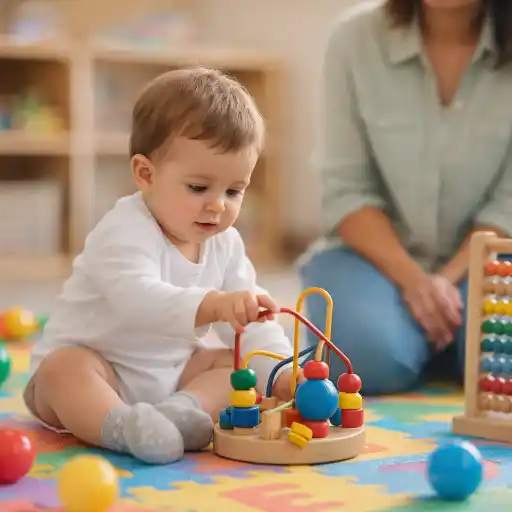
A useful plan does not need to be lengthy. It needs to help educators understand the intention, prepare thoughtfully, and notice what happens. Begin with a small goal connected to observed interests or an emerging skill. Choose safe, open-ended materials and identify how the experience can fit naturally into the day. Consider how each child might participate in different ways, and what you will observe to decide whether to adapt, repeat, or extend the experience.
For instance, if a baby is beginning to reach for objects, the plan might include placing a familiar, safe toy within comfortable reach during supervised floor play. The educator can pause, respond warmly to gestures or vocalizations, and note whether the child looks, reaches, or shifts position. If the infant turns away or becomes tired, the educator follows the cue rather than persisting to complete an activity.
Planning should also reflect children’s identities, home languages, abilities, and family perspectives. Share observations with families and invite their insight; a behavior or interest may have a meaningful context at home. Use developmental milestones and relevant program guidance as references, not as rigid expectations for every child.
- Observation: What did the child do or communicate?
- Purpose: What learning or development might this support?
- Experience: What materials, routine, or interaction could invite exploration?
- Adaptation: How can children participate at different levels or in different ways?
- Reflection: What did you notice, and what might be the next step?
What common planning pitfalls should educators avoid?
One common pitfall is importing preschool expectations into an infant-toddler room: long teacher-led activities, identical outcomes, or pressure to demonstrate a skill on cue. Young children may learn by watching, repeating, moving away, or engaging briefly. Those responses are information, not proof that a plan has failed.
Another pitfall is planning a theme first and then overlooking children’s actual interests. A preselected topic can be a helpful source of materials, but it should not outweigh what children repeatedly notice, communicate, or explore. Similarly, avoid interpreting a single behavior as a fixed trait. Observe across time and settings, and consider context, temperament, culture, language, and family perspective before drawing conclusions.
Documentation can also become burdensome if staff collect more than they can meaningfully review. Keep notes concise, establish shared team practices, protect privacy, and schedule brief reflection. If you have a developmental concern, observations can help you communicate clearly with families, but they are not a diagnosis; follow program procedures and consult appropriate professionals as needed. State requirements vary - check your state licensing agency for applicable curriculum, documentation, and assessment expectations.
- ⚠️ Avoid rigid scripts; leave room for child-led exploration and changing cues.
- Keep goals few, observable, and appropriate to the child’s current experience.
- Do not treat milestones as a deadline or a measure of a child’s worth.
- Use repeated evidence and family knowledge rather than assumptions from one moment.
Conclusion: Do infants and toddlers really need lesson plans?
Yes—but their plans should be responsive, relational, and flexible. They are not miniature versions of preschool schedules. They help educators prepare safe and engaging possibilities, connect routines and play to meaningful developmental goals, and use observation to decide what support or invitation may come next.
Start small: notice a child’s interests and cues, document a specific example, choose one achievable intention, and offer an experience that can change with the child’s response. Partner with families and colleagues, and reflect on what you learn. When planning follows children rather than forcing children to follow a plan, everyday care becomes purposeful learning—and educators can better support each child’s distinctive path.
Helpful ChildCareEd courses
- Meaningful Lesson Planning for Infants/Toddlers Buy Now $24.00 — learn about lesson-plan components and age-appropriate activity ideas.
- Playing with a Purpose: Infant/Toddler Lesson Planning Buy Now $24.00 — explore planning appropriate experiences for children from birth through age three.
- Playful Learning: Infant & Toddler Activities Buy Now $25.00 — develop individually appropriate classroom activities.
- CDA Infants/Toddlers: Benefits to Observing Buy Now $16.00 — learn observation and documentation approaches for young children.
- Early Learning with Infants and Toddlers Buy Now $24.00 — strengthen understanding of individualized planning and responsive interactions.
- Baby Play: Planning Infant and Toddler Activities
- CDA Infants/Toddlers: Lesson Planning Made Easy
- Baby Steps to Milestones ONLINE
- Children at the Wheel: Emergent Curriculum
- Pediatric RSV First Aid & CPR/AED
- CDA Bridge Bundle: Infant/Toddler without Portfolio Review
- Texas Director Credential
- 45-Hour Infant and Toddler Curriculum
- Meaningful Lesson Planning for Infants/Toddlers
- Playing with a Purpose: Infant/Toddler Lesson Planning
- 👧 ¿Cómo iniciar y abrir una guardería en Texas? Lo que necesitas saber
- Qué capacitación se requiere para ser director de cuidado infantil en Texas?
- Recursos en Español sobre el Sueño Seguro del Bebé
- Capacitación en Salud y Seguridad Preventiva en Línea para Proveedores de Cuidado Infantil
- Cómo Ser Maestra de Preescolar en Dakota del Norte
- Capacitación Previa al Servicio para Proveedores de Cuidado Infantil en Dakota del Norte
- How to Write an Early Childhood Lesson Plan Step by Step
- Lesson Plans for Toddlers: Simple Ideas for Early Learning
- How can I design age-appropriate lesson plans that really work?
- Child Care Lesson Plans by Age Group: Simple Ideas for Providers
- Weekly Lesson Plans for Infants, Toddlers, and Preschoolers
- How can I make easy infant and toddler lesson plans that really work?
- How can I make infant and toddler lesson plans that really work?
- How do I plan developmentally appropriate activities for toddlers?
- Free Infant Lesson Plans for Daycare and Early Learning
- Proporciones para guarderías en casa bajo el Título 22: Cómo la mezcla de edades cambia su capacidad en California
- How Can Child Care Providers Plan Infant Activities Around Developmental Milestones?
- How Can You Plan for Infants Whose Nap and Feeding Times Keep Changing?
- Do Infants and Toddlers Really Need Lesson Plans?
