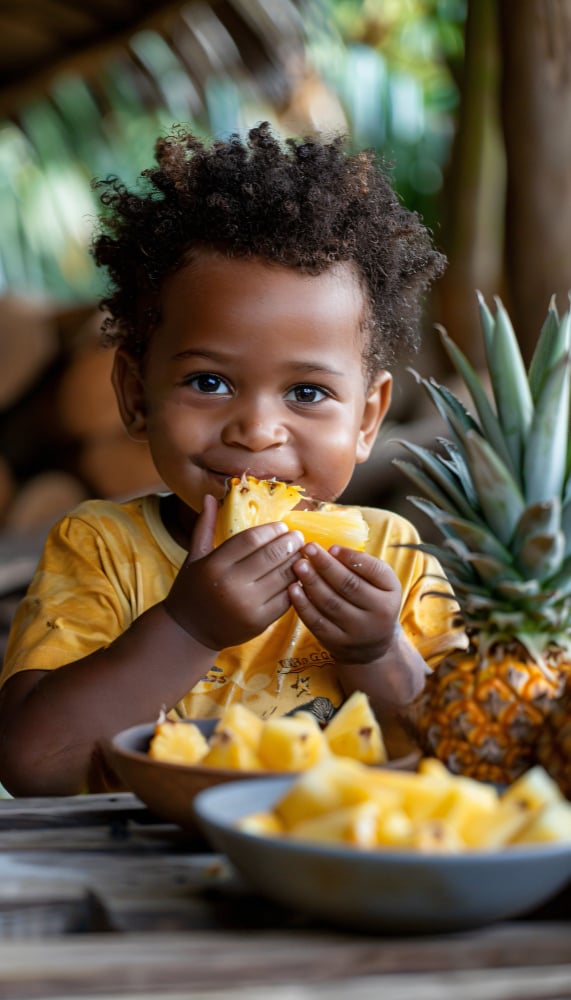
 In institutional and family contexts where convenience often supplants nutritional quality, early childhood professionals and parents should intentionally cultivate durable healthy-eating practices. Programs can adopt evidence-informed, play-based interventions—see Nutrition Essentials for Child Care Providers
  Buy Now $16.00 and On My Plate: Children's Nutrition Buy Now $24.00—to increase the appeal and persistence of nutrient-dense choices in daily routines. Because processed snacks and sugar-rich treats remain pervasive, pragmatic strategies that combine sensory exploration, autonomy-supportive choice, and playful presentation may reduce resistance and produce measurable improvements in children's dietary patterns.
How can ChildCareED help make healthy eating fun?
To render healthy eating intrinsically engaging for children, implement pragmatic strategies that combine sensory exploration, autonomy-supportive choice, and playful presentation:
-
Get Them Involved: Encourage your children to participate in #meal-preparation. Allow them to help with grocery shopping, selecting fruits and vegetables, and even cooking. This involvement can ignite their interest in trying new foods and understanding where their meals come from.
-
Creative Presentations: Transform meals into visually appealing creations. Use cookie cutters to shape fruits and vegetables, or arrange food on the plate to create fun characters or scenes. For instance, a plate can be designed to resemble a smiling face using various healthy ingredients, making the meal more inviting.
-
Interactive Meals: Turn mealtime into an interactive experience. Set up a taco or salad bar where kids can build their own meals. This not only makes eating fun but also empowers them to choose what they want to include,promoting autonomy and ownership over their food choices.
-
Themed Nights: Introduce themed dinner nights, such as "Taco Tuesday" or "Fruit Friday." This adds excitement and anticipation to meals, making children more likely to participate and enjoy the food.Themed nights can also be a great opportunity to explore different cuisines and flavors.
-
Food Games: Incorporate games into mealtime. For example, you can have a taste test challenge where kids guess the ingredients in a smoothie or a vegetable. This #playful approach can make trying new foods feel like a fun activity rather than a chore, reducing resistance.
-
Storytelling with Food: Create stories around the meals you prepare. For example, narrate a tale about how a particular vegetable grows or where a fruit comes from. This can pique their curiosity and encourage them to try the foods featured in the story, making mealtime a more engaging experience.
-
Healthy Snack Alternatives: Make healthy snacks more appealing by presenting them in fun ways. Create fruit kabobs, yogurt parfaits, or veggie sticks with colorful dips. The more visually appealing the snacks, the more likely kids will want to eat them, turning healthy choices into exciting options.
-
Celebrate Success: Acknowledge and celebrate when your child tries a new healthy food. Positive reinforcement can encourage them to continue exploring new tastes and textures. Consider creating a "food passport" where they can stamp or sticker each new food they try, making the experience feel like an adventure.
Which sources support these strategies?
- How to Raise a Healthy Eater | Nemours KidsHealth
- ChildCareEd: A witty take on getting kids to eat healthy without bribery or meltdowns
What are creative meal ideas to get kids to eat healthy?
-
Funny Face Pizzas: Use whole-grain pita bread or English muffins as the base. Allow kids to spread tomato sauce and arrange toppings like bell peppers, olives, and cheese to create silly faces. This not only makes the meal fun but also empowers them to choose their favorite healthy toppings, fostering a sense of ownership over their food.
-
Rainbow Fruit Skewers: Assemble colorful fruit skewers using a variety of fruits such as strawberries, oranges, bananas, green grapes, blueberries, and purple grapes. Encourage kids to create their own rainbow patterns, making it a visually appealing and nutritious snack that sparks their creativity and encourages them to explore different flavors.
-
Veggie Monsters: Transform vegetables into playful monsters! Use cucumber slices for eyes, cherry tomatoes for noses, and bell pepper strips for mouths. Serve with a healthy dip like hummus or yogurt, making it a fun and interactive way to enjoy veggies while fostering imaginative play and reducing the intimidation factor of healthy foods.
-
DIY Taco Bar: Set up a taco station with whole-grain tortillas, lean proteins (like chicken or beans), and a variety of toppings such as lettuce, tomatoes, cheese, and avocado. Let kids build their own tacos, allowing them to experiment with flavors and textures. This not only encourages independence and creativity in their food choices but also makes mealtime a collaborative family activity.
-
Oatmeal Art: For breakfast, serve oatmeal and provide a selection of toppings like nuts, seeds, dried fruits, and fresh berries. Encourage kids to create art on their oatmeal, such as smiley faces or landscapes. This transforms breakfast into a creative endeavor that starts their day on a positive note and makes healthy eating feel like a fun challenge.
-
Smoothie Bowls: Blend up a delicious smoothie and pour it into a bowl. Let kids decorate their smoothie bowls with toppings like granola, sliced fruits, and seeds. This not only makes for a nutritious meal but also a visually stunning one that they can take pride in, turning breakfast into a canvas for their creativity.
-
Animal-Shaped Sandwiches: Use cookie cutters to create sandwiches in fun animal shapes. Fill them with healthy ingredients like turkey, cheese, and spinach. Pair with a side of carrot sticks or apple slices for a balanced meal that adds an element of playfulness to lunchtime, making it more appealing to young eaters.
Which sources support these strategies?
- How to Raise a Healthy Eater | Nemours KidsHealth
- ChildCareEd: A witty take on getting kids to eat healthy without bribery or meltdowns
How can I involve kids in meal preparation?
Here are some effective strategies for involving kids in #meal-preparation:
-
Assign Age-Appropriate Tasks:
- Younger Children: They can wash vegetables, tear lettuce, or stir ingredients. These simple tasks help them feel included and capable.
- Older Kids: They can take on more complex tasks like chopping (with supervision), measuring ingredients, or even planning the #menu Buy Now $24.00 for the week. This encourages responsibility and decision-making.
-
Create a Family Cooking Night:
- Designate one night a week as "family cooking night" where everyone participates in preparing a meal together. This not only fosters teamwork but also creates lasting memories and strengthens family bonds.
-
Let Them Choose Recipes:
- Encourage kids to pick out recipes that interest them. This gives them a sense of control and investment in the meal, making them more likely to eat what they’ve helped create. It also opens the door for discussions about healthy options.
-
Teach Them About Ingredients:
- Use meal prep as an opportunity to educate children about different ingredients, their nutritional benefits, Buy Now $24.00and where they come from. This knowledge can spark curiosity and a greater appreciation for healthy foods, making them more likely to try new things.
- Use meal prep as an opportunity to educate children about different ingredients, their nutritional benefits,
-
Make It Fun:
- Turn cooking into a game by timing how fast they can wash vegetables or see who can create the most colorful plate. Incorporating fun elements can make the experience enjoyable and memorable, transforming cooking from a chore into an adventure.
-
Celebrate Their Contributions:
- After the meal, take time to acknowledge and praise your child’s efforts in the kitchen. This positive reinforcement can boost their confidence and encourage them Buy Now $24.00 to participate more in the future, reinforcing the idea that their contributions are valued.
- After the meal, take time to acknowledge and praise your child’s efforts in the kitchen. This positive reinforcement can boost their confidence and encourage them
-
Encourage Creativity:
- Allow kids to experiment with flavors and ingredients. For example, they can create their own smoothie combinations or design their own pizza toppings. This fosters creativity and helps them develop a personal connection to their food, making healthy eating more appealing.
Which sources support these strategies?
- How to Raise a Healthy Eater | Nemours KidsHealth
- ChildCareEd: A witty take on getting kids to eat healthy without bribery or meltdowns
What are the key takeaways and next steps?
- Offer regular, predictable meals and snacks and avoid using food as a reward; see Nemours KidsHealth for practical guidance.
- Involve children in planning and preparation—use interactive meals, themed nights and playful presentations; learn more in How can preschool programs build healthy eating habits for young children?.
- Use positive reinforcement and small, consistent changes. If you want structured training, consider ChildCareEd nutrition courses to build program practices and staff skills.
How should you summarize and act on these ideas?
Prioritize establishing predictable meal and snack schedules and institutionalize routine opportunities for child participation in menu planning and food preparation; employ incremental, autonomy-supportive reinforcement strategies intended to cultivate durable dietary behaviors among children. At the program level, codify these practices in written policy, embed them within classroom routines, and allocate targeted professional-development resources so staff can implement practices with fidelity and document outcomes. ChildCareEd nutrition courses can supply ready curricula and implementation tools to operationalize program-level change; confirm a course's acceptability with your state licensing agency before assuming it satisfies any regulatory training requirement.
- Draft or update a written policy that specifies meal and snack schedules, child participation practices, and staff training expectations.
- Use targeted professional development (for example, Nutrition Essentials for Child Care Providers Buy Now $16.00 and On My Plate: Children's Nutrition Buy Now $24.00) to align staff knowledge and classroom routines.
- Measure fidelity monthly with a short checklist, iterate based on observations, and report outcomes to stakeholders to sustain improvement.
- Health, safety and nutrition
- Curriculum
- Special needs
- Child development
- Community
- Infant/ Toddler Educators
- Preschool Educators
- School-Age Providers
- Family Child Care Providers
- Health and Safety
- Content Areas
- Social/Emotional
- Families
- Child Development
- Website Articles
- Health, safety and nutrition
- Curriculum and Environment
- Child development
- Community and Family
- Montessori
- CDA
- Child Guidance
- Creating Safe & Healthy Child Care Environments
- Beyond the Classroom: Connecting Families to Essential Services
- Pediatric RSV First Aid & CPR/AED
- 24 Hour Texas Pre-Service
- Potty Training Made Simple
- Equity in Action with Head Start
- Building a Healthier Tomorrow: Preventing Childhood Obesity
- On My Plate: Children's Nutrition
- Rooted in History: Early Childhood
- CDA Certification en Español: Recursos y Consejos para Educadores Bilingües
- 🥦✨ ¿Cómo apoyar a los niños selectivos a probar nuevos alimentos sin presión?
- 👧 ¿Cómo iniciar y abrir una guardería en Texas? Lo que necesitas saber
- Requisitos Para Ser Maestra Principal En Un Daycare: Lo Que Necesitas Para Empezar
- Menos Estrés a la Hora de Comer: Rutinas Simples Que Sí Funcionan
- ¿Qué Se Necesita para Comenzar una Guardería en Casa en Texas?
- ¿Qué Calificaciones Necesitas para Trabajar en Cuidado Infantil?
- 45 horas para infantes y niños pequeños: cómo certificarse en línea
- ¿Cómo puedo usar escenarios de juego de roles de primeros auxilios en mi aula?
- ¿Cómo puedo enseñar habilidades de primeros auxilios con escenarios de juego de roles?
- ¿Cómo afecta la dopamina a los niños: señales, efectos e influencias diarias?
- Normas de Licenciamiento de Cuidado Infantil en Virginia para Centros Diurnos Infantiles y Hogares Diurnos Familiares
- ¿Cuál es la Diferencia Entre la Crianza Respetuosa y la Crianza Permisiva?
- Lista para Abrir una Guardería en Casa en Dakota del Norte: Cómo Empezar
- Cómo Ser Maestra de Preescolar en Illinois
- Capacitación Previa al Servicio para Proveedores de Cuidado Infantil en Dakota del Norte
- Diversión fresca de verano: actividades del Día Nacional del Helado para niños
- Horas de capacitación para daycare en Carolina del Norte: ¿cuántas necesita?
- How can child care programs handle picky eaters without mealtime battles?
- What’s for Snack Again? Easy Daycare Ideas Kids Won’t Get Bored With
