Latest Blog & News

What Should You Do When a Toddler Invents Their Own Names for Classroom Objects?
10/07/2026A toddler’s “bibi” for a bandage or “choo-choo” for a train is more than a charming classroom moment—it is a child making meaning and reaching out to communicate. Learn how to respond without shutting down that effort, then build your listening practice with Open ... What Should You Do When a Toddler Invents Their Own Names for Classroom Objects?

Why Does a Baby Babble More with One Caregiver Than Another?
10/07/2026A baby who babbles freely with one caregiver but stays quieter with another is not necessarily showing a problem—the difference may reveal how context, timing, and adult responses shape communication. To build more responsive exchanges and strengthen your listening practice, explore Open Ears:... Why Does a Baby Babble More with One Caregiver Than Another?
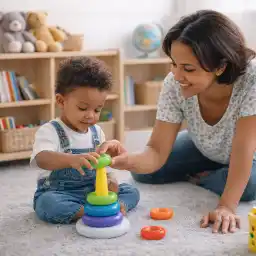
How Can You Help an Infant Resume Exploring After Care Interrupts Play?
10/07/2026Care routines are essential, but a diaper change, feeding, or comfort break can interrupt an infant’s absorbing exploration. With a calm, responsive return-to-play routine—and a simple planning tool such as the Baby Play: Planning Infant and Toddler Activities course—you can reconn... How Can You Help an Infant Resume Exploring After Care Interrupts Play?

How Can Toddlers Help Care for Babies Safely and Meaningfully?
10/07/2026When a toddler says, “I want to help the baby,” you can turn that caring impulse into a safe, confidence-building moment without asking a young child to take on adult responsibilities. The Baby Play: Planning Infant and Toddler Activities course can deepen your understanding of age-appro... How Can Toddlers Help Care for Babies Safely and Meaningfully?
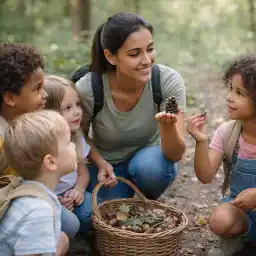
Nature Treasure or Litter? How Can We Teach Children to Ask Before Collecting?
10/07/2026That beautiful feather, smooth stone, or bright flower can spark a child’s curiosity—and a thoughtful question about whether it belongs where it is. Use simple routines to help children observe, investigate, and care for outdoor places; Building Early Science Foundations offers practical... Nature Treasure or Litter? How Can We Teach Children to Ask Before Collecting?

How Can Photographing the Same Outdoor Spot Help Children Notice Change?
10/07/2026Children may pass the same tree or garden every day without noticing its quiet transformations—but a repeated photograph can make those changes visible and invite rich scientific thinking. Try a simple same-spot routine, and consider Observing & Assessing in Child Care to strengthen your s... How Can Photographing the Same Outdoor Spot Help Children Notice Change?

When Rain Erases the Chalk, How Can Disappearing Art Become a Science Investigation?
10/07/2026A rain-washed sidewalk can feel like the end of a child’s artwork—but it can also be the beginning of a compelling investigation into change, water, and evidence. Explore practical ways to help children turn that surprise into meaningful inquiry, and consider Building Early Science Found... When Rain Erases the Chalk, How Can Disappearing Art Become a Science Investigation?

How Can Child Care Programs Prevent Expired Enrollment Links from Interrupting a Family’s Application?
10/07/2026A family may be ready to apply, only to discover that the enrollment link has expired or will not open on a phone. A clear link-review and recovery process helps protect that family’s momentum and gives staff a consistent way to respond; the Early Childhood Program Administration course can fu... How Can Child Care Programs Prevent Expired Enrollment Links from Interrupting a Family’s Application?

How Can Child Care Programs Review Old Recruitment Flyers for Outdated Photos and Contact Details?
10/07/2026An old recruitment flyer can send applicants to the wrong person—or feature a staff member who no longer works at your program. Use a simple review process to keep hiring materials accurate, respectful, and useful, and explore Legal & Ethical Essentials in Child Care to strengthen your und... How Can Child Care Programs Review Old Recruitment Flyers for Outdated Photos and Contact Details?

How Can Child Care Programs Distinguish Reserved Seats from Occupied Seats in Enrollment Reports?
10/07/2026A seat can be promised, planned, or genuinely occupied—and those are not the same thing. Clear definitions help directors make sound staffing and capacity decisions, answer families accurately, and avoid reports that overstate current enrollment. The Early Childhood Program Administration cour... How Can Child Care Programs Distinguish Reserved Seats from Occupied Seats in Enrollment Reports?
