Latest Blog & News in English
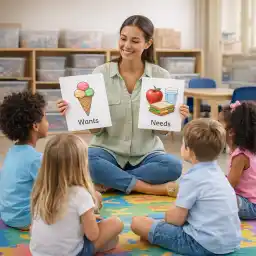
How Can Preschool Teachers Help Children Understand the Difference Between Wants and Needs?
10/24/2026When a preschooler says they “need” the toy they just spotted, they are offering a meaningful chance to practice language, emotional awareness, and decision-making. Explore practical, play-based ways to nurture that learning—and consider Social Foundations and Responsive Classrooms... How Can Preschool Teachers Help Children Understand the Difference Between Wants and Needs?
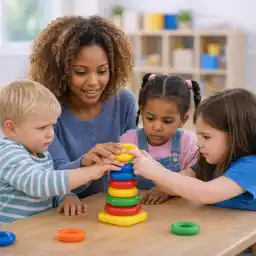
What Should Educators Do When Children Have Difficulty Working Together on a Shared Task?
10/24/2026When a shared project turns into competing ideas, grabbing materials, or one child doing all the work, educators can turn the moment into a meaningful lesson in cooperation. The course Supporting Social Learning: Creating Classrooms that Care offers practical ways to strengthen peer problem-solving ... What Should Educators Do When Children Have Difficulty Working Together on a Shared Task?

How Can Teachers Encourage Children to Ask Peers for Help Instead of Always Asking Adults?
10/24/2026When children turn to an adult for every small challenge, they may miss chances to discover what classmates can offer. With intentional routines, teachers can help children practice peer help-seeking while keeping adult support reliable and safety at the center. Explore Supporting Social Learning: C... How Can Teachers Encourage Children to Ask Peers for Help Instead of Always Asking Adults?
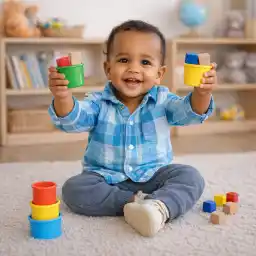
How Can Child Care Providers Use Everyday Objects to Support Early Math Learning?
10/24/2026Children are already doing math when they fill a cup, line up cars, or decide who has more crackers—your classroom can turn these moments into meaningful learning without costly kits. Explore Early Mathematics Through Play for practical strategies to connect counting, patterns, geometry, and m... How Can Child Care Providers Use Everyday Objects to Support Early Math Learning?
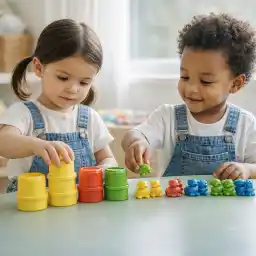
What Are Simple Ways to Help Children Compare, Sort, and Classify During Play?
10/24/2026Everyday play can become a lively laboratory for children’s early math and reasoning: a basket of blocks, a handful of leaves, or a routine cleanup can invite children to notice what is alike and different. The Early Mathematics Through Play course offers practical ways to weave comparison, cl... What Are Simple Ways to Help Children Compare, Sort, and Classify During Play?
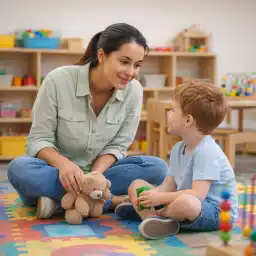
What Should Preschool Teachers Do When a Child Frequently Changes Activities Without Engaging?
10/24/2026A preschooler who moves from one activity to another without settling in may be communicating that something about the experience, environment, or timing is not working for them. Learn how to respond with observation, thoughtful adjustments, and meaningful choices; Creating Engaging and Meaningful L... What Should Preschool Teachers Do When a Child Frequently Changes Activities Without Engaging?
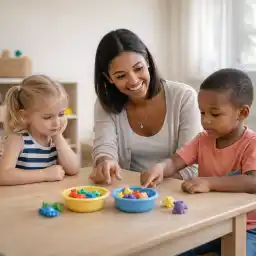
How Can Teachers Support Children Who Struggle to Make Decisions Independently?
10/24/2026When a child freezes at a simple choice or turns to an adult for every next step, the moment can become a powerful opportunity to build agency and confidence. The online Supporting Children’s Independence course offers focused professional learning on self-regulation, age-appropriate independe... How Can Teachers Support Children Who Struggle to Make Decisions Independently?
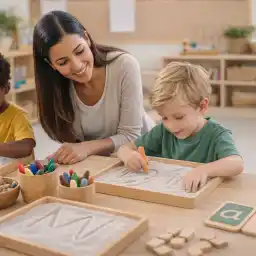
How Can Child Care Providers Build Early Writing Skills Without Relying on Worksheets?
10/24/2026Young children become writers long before they form neat letters: every drawing, story, sign, and purposeful mark can help them communicate. Child care providers can nurture these beginnings through play, conversation, movement, and everyday classroom routines; for a deeper foundation in early liter... How Can Child Care Providers Build Early Writing Skills Without Relying on Worksheets?
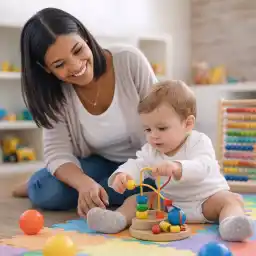
What Are Effective Ways to Help Children Learn From Trial and Error?
10/24/2026A child’s failed block tower, tangled zipper, or unexpected science result can become a powerful lesson when adults make room for another try. The ChildCareEd course Role of Play in Learning helps providers connect play with children’s development and learning, offering a useful next ste... What Are Effective Ways to Help Children Learn From Trial and Error?

What Should Educators Do When a Child Becomes Upset by Corrections or Feedback?
10/24/2026A correction that seems small to an adult can feel overwhelming to a young child who is still learning how to manage disappointment, understand expectations, and separate an action from their sense of self. A calm, respectful response can preserve trust while helping the child learn what to try next... What Should Educators Do When a Child Becomes Upset by Corrections or Feedback?
