Latest Blog & News

Can Classroom Transitions Become Your Best Teaching Moments?
07/21/2026Introduction Are the daily shifts between centers, circle time, and outdoor play costing you teaching minutes and raising stress? Learn to turn those repeated, unavoidable moments into predictable, instructive chances to teach routines, language, and self-regulation — and pick up ready-to-use... Can Classroom Transitions Become Your Best Teaching Moments?

How Can Waiting Time Be Meaningful Instead of Frustrating?
07/21/2026Waiting is one of those daily pain points in early childhood programs: a few minutes can feel like forever to a child and a staff team. What if those gaps — the line at the sink, the end of center time, or a late bus — could become short, predictable learning moments that strengthen self... How Can Waiting Time Be Meaningful Instead of Frustrating?

Can Slowing Down Actually Boost Learning in Early Childhood Settings?
07/21/2026What if doing less could produce deeper learning and calmer days in your program? Slowing the pace—fewer frantic transitions, less visual clutter, more intentional pauses—gives children time to notice, practice, and internalize skills that matter. If you want a practical next ste... Can Slowing Down Actually Boost Learning in Early Childhood Settings?

Why Do the First Five Minutes with a Child Matter Most?
07/21/2026Does your first hello set the day? A calm, intentional opening—those first five minutes—shapes a child’s safety, behavior, and readiness to learn. If you want quick, research-informed moves that improve drop-offs and strengthen teacher–child bonds, start by exploring Every Mo... Why Do the First Five Minutes with a Child Matter Most?

Child Care Resource Center in North Carolina: What Is It and How Can It Help?
05/05/2026Child care providers and directors: you probably hear about a Child Care Resource Center (sometimes called CCR&R or Child Care Resource & Referral). But what exactly is it, what can it do for your program, and how do you start using it? This article answers those questions in simple steps yo... Child Care Resource Center in North Carolina: What Is It and How Can It Help?

Toddler Toilet Readiness Checklist for Parents and Teachers
07/20/2026Toilet learning is not about reaching a certain age—it is about recognizing when a toddler is physically, emotionally, and developmentally ready. ChildCareEd’s free Potty Training Readiness Checklist gives parents and teachers a practical way to observe readiness signs, compare notes, an... Toddler Toilet Readiness Checklist for Parents and Teachers

How to Know When a Child Is Ready for Toilet Training
07/20/2026Toilet training is an important milestone, but every child reaches it at a different pace. The key is creating calm, predictable routines that help children feel safe, confident, and supported. ChildCareEd’s Every Moment Matters: Schedules and Transitions self-paced online course can help educ... How to Know When a Child Is Ready for Toilet Training
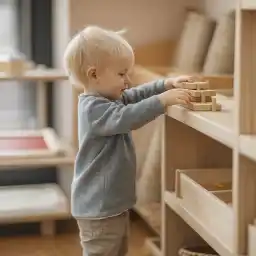
How Can North Dakota Providers Encourage Independence in Young Children?
07/09/2026You care about helping young children try new things, feel proud, and do small tasks on their own. This guide gives practical, simple steps that North Dakota child care providers and directors can use today. Read the ideas, pick one change to try, and share wins with your team. Remember: state requi... How Can North Dakota Providers Encourage Independence in Young Children?

Más Aire Libre, Más Aprendizaje: Por Qué la Primera Infancia Necesita Salir Más
07/16/2026El aprendizaje no ocurre solamente dentro del aula: los espacios exteriores ofrecen oportunidades diarias para moverse, explorar, observar la naturaleza, asumir retos apropiados y aprender mediante experiencias directas. El curso en línea y a su propio ritmo de ChildCareEd Equilibrar el juego... Más Aire Libre, Más Aprendizaje: Por Qué la Primera Infancia Necesita Salir Más

How Can Early Childhood Providers Understand and Use Temperament in Infants and Toddlers?
07/21/2026Curious about why two infants in the same room respond so differently to the same routine? Understanding a child’s temperament gives you practical clues to reduce upset, improve learning, and strengthen family partnerships in infant/toddler care. Start by exploring ChildCareEd’s Positive... How Can Early Childhood Providers Understand and Use Temperament in Infants and Toddlers?
