Latest Blog & News in English

Supporting diverse learners and special needs
05/18/2022Creating an inclusive environment is essential for providers who deliver high-quality child care. Educators play an important role in ensuring all children receive the supports they need to foster development, and practical training makes that work sustainable. Our online course Special Needs: From ... Supporting diverse learners and special needs

Let’s Get Physical! How Movement Helps Young Children Thrive
04/28/2022Running, jumping, climbing, dancing, and throwing a ball do much more than strengthen children’s muscles. Physical activity also supports coordination, confidence, attention, emotional regulation, social development, and healthy lifelong habits. ChildCareEd’s self-paced Wellness in Actio... Let’s Get Physical! How Movement Helps Young Children Thrive

Gross Motor Games for Preschool and Kindergarten
04/30/2026Young children need to move to learn. This short guide gives easy, safe, and fun gross motor games you can use tomorrow with your #preschoolers. You’ll find simple games, safety tips, ways to include every child, and ideas for fitting short movement breaks into a busy day. For more ready-to-us... Gross Motor Games for Preschool and Kindergarten

How can I build gross motor skills indoors and outdoors for the children in my program?
07/15/2026Every day, child care providers can strengthen children’s balance, coordination, endurance, and confidence by offering short, purposeful movement experiences indoors and outdoors. This practical guide helps directors and educators plan safe, inclusive, and low-preparation activities that build... How can I build gross motor skills indoors and outdoors for the children in my program?

How can Washington child care professionals begin their career with confidence through ChildCareEd?
06/02/2026Starting a career in child care can feel big and exciting. This article answers one main question: how can Washington child care providers and directors begin their career with confidence using ChildCareEd? You will find clear steps, short plans, and links to helpful ChildCareEd pages so you can a... How can Washington child care professionals begin their career with confidence through ChildCareEd?

Subscriptions at ChildCareEd!
04/27/2022If you work in #early-childhood-education, you already know that professional #development is not optional—it’s part of doing the job well and meeting ongoing requirements. The challenge is finding training that is easy to access, relevant to your work, and budget-friendly. Subscriptions... Subscriptions at ChildCareEd!

Protecting Georgia’s Children: Recognizing and Reporting Abuse and Neglect
04/05/2022Every child deserves to feel safe, protected, and supported. During Child Abuse Prevention Month—and throughout the year—Georgia child care professionals play an essential role in recognizing warning signs and responding appropriately when abuse or neglect is suspected. ChildCareEd&rsquo... Protecting Georgia’s Children: Recognizing and Reporting Abuse and Neglect
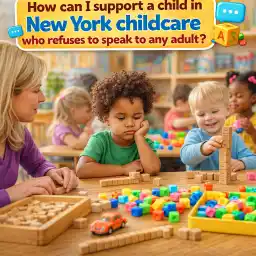
How can I support a child in New York childcare who refuses to speak to any adult?
05/26/2026Children who refuse to talk to adults can feel scared, embarrassed, or overwhelmed. This article helps directors and providers in New York understand what might be happening and gives practical steps you can use right away. You will learn how to keep children safe, build #trust, and help a quiet chi... How can I support a child in New York childcare who refuses to speak to any adult?

How Should Childcare Providers Recognize and Report Child Abuse and Neglect?
07/21/2026Are you confident you can spot the signs of abuse or neglect and take the right next steps? Early childhood professionals are often the first adults who can protect a child from further harm; effective recognition, objective documentation, and timely reporting are essential skills for every program.... How Should Childcare Providers Recognize and Report Child Abuse and Neglect?

How Can Michigan Child Care Providers Recognize and Report Child Abuse?
07/13/2026As a child care provider or director in Michigan, you play a key role in keeping kids safe. This short guide helps you spot common signs of harm, know who must report, and follow the right steps. It also tells you where to find training and the Michigan reporting number. Remember: state requirements... How Can Michigan Child Care Providers Recognize and Report Child Abuse?
