Creating an inclusive environment is essential for providers who deliver high-quality child care. Educators play an important role in ensuring all children receive the supports they need to foster development, and practical training makes that work sustainable. Our online course Special Needs: From Referral to Inclusion  Buy Now $24.00 and Tailoring Instruction to Children's Needs Buy Now $24.00 introduce the referral, IEP/IFSP, and inclusion processes and offer classroom strategies you can implement immediately. H&H Child Care Training Center (ChildCareEd) also offers Zoom-delivered instructor-led sessions, including Access for All: Inclusion and the ADA Buy Now $25.00 and Exceptional Children and Early Intervention Buy Now $25.00. These courses complement the practical techniques below.
What are the core referral and IEP/IFSP steps educators should understand?
Understanding the referral pathway and timelines allows educators to advocate for children and support families through transitions. Briefly, the process typically follows these stages: 1) observation and documentation of developmental concerns; 2) family conversations and permission to refer; 3) referral to early intervention (IFSP) or school district special education (IEP) depending on age; 4) multidisciplinary evaluation; 5) development of the IFSP or IEP with measurable goals; and 6) ongoing progress monitoring and service coordination. Document observations with concrete examples of behavior, communication, motor skills, or learning differences to support a timely referral. For examples of teacher-friendly goal-writing and individualized learning targets, see How do I create meaningful individual learning goals for young children?.
How can classroom environment and equipment modifications support inclusion?
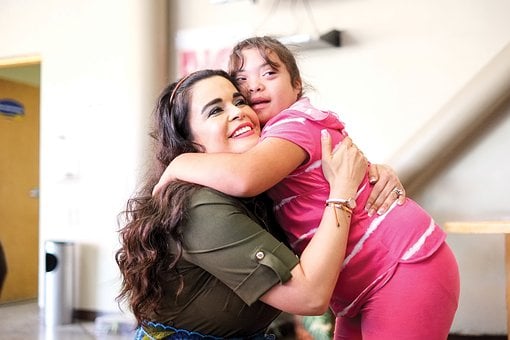 Small changes to space, schedule, and materials reduce barriers. Consider: reducing background noise for children with auditory sensitivity, creating predictable visual schedules for children who benefit from routine, arranging furniture to allow wheelchair access and clear sight lines, and providing sensory corners for regulation. Adaptive seating, low shelves for independent access to materials, and alternate writing tools are inexpensive supports. For day-to-day inclusive practices, review How can childcare programs use inclusive practices every day?.
When equipment or architectural changes are required, document the need and work with families and your licensing or facilities manager. Ensure accommodations are individually assessed: a wheelchair ramp addresses access, but classroom routines and staff training secure meaningful participation.
What instructional strategies (differentiation and scaffolding) are most effective for diverse learners?
Differentiation and scaffolding let you plan instruction that meets varied developmental levels without segregating learners. Start by identifying the learning intention, then provide multiple entry points: simplified language or visual supports, tactile or hands-on materials, and variable task complexity. Use scaffolds such as modeling, sentence stems, picture cues, and chunking tasks into smaller steps. Monitor progress via formative checks and adjust scaffolds—fade supports as skills emerge. Concrete examples and role-play help children generalize skills across routines. For classrooms working with children with speech delays or communication differences, consult Starting an Inclusive Daycare for Children with Speech Delays and the practical communication strategies in How Can Texas Early Childhood Educators Build Strong Communication with Children with Special Needs?.
How should educators partner with families and external providers?
Family collaboration is the foundation of effective inclusion. Begin with respectful, strengths-based conversations that center family priorities. Share observations, invite parent input about routines and strategies that work at home, and coordinate referrals when appropriate. Maintain clear written notes about meetings and agreed actions. When children transition between early intervention (IFSP) and school-based services (IEP), create a transition plan and invite family members to meetings. For state-specific examples and case studies, see: Michigan PreK inclusion, California inclusion practices, and Minnesota program supports.
What practical checklist can staff use tomorrow?
Use a simple action checklist to make inclusion operational:
- Document: record two specific observations (date, context, behavior/skill).
- Communicate: schedule a family conversation within one week.
- Refer: with family consent, initiate referral to local early intervention or district special education.
- Adapt: implement at least two classroom accommodations (visual schedule, seating change, or sensory pause) and note effects.
- Train: enroll lead staff in targeted coursework (consider Special Needs: From Referral to Inclusion Buy Now $24.00 or our Zoom sessions).
- Coordinate: add a follow-up date to review progress and next steps.
For quick guidance on creating truly inclusive daily routines, read How can I make my childcare classroom truly inclusive? and for inclusive participation in gross-motor and activity-based contexts see How can we include children with physical disabilities in daily activities?.
How do I find and apply my state's childcare regulations for inclusion?
State regulations govern timelines for referral, consent, evaluation, IFSP/IEP development, transition planning, and allowable program accommodations. If you operate in Minnesota, Michigan, Texas, or California, identify your licensing body (often the state Department of Human Services or Department of Education) and bookmark its child care licensing and special education guidance pages. Use a short checklist when reviewing regulations: 1) confirm which agency issues child care licenses and which oversees K–12 special education in your state; 2) read the sections on accommodations, staffing qualifications, and transition timelines between early intervention and school services; 3) note procedural requirements for parental consent and timelines for evaluation; 4) record local points of contact for referrals and appeals. Translate regulatory language into classroom practice by capturing required timelines and documentation steps in your program policies and onboarding materials so staff know when to notify families and when to refer. For guidance on dual-identified learners and IEP considerations, consult the English Learners toolkit referenced below (Seeds of Partnership) which offers practical tools to align IEP planning with language supports.
What documentation and staff practices reduce legal risk and improve inclusion outcomes?
Consistent, objective documentation and routine staff practices both protect families and support effective inclusion. Adopt a standardized observation template that records date, context, concrete behaviors, and interventions tried; keep a secure family communication log with meeting dates, attendees, and agreed next steps; and maintain consent forms and referral paperwork in a central, access-controlled location. Train staff on confidentiality and data-handling expectations per state privacy rules, and schedule quarterly case-review meetings to monitor progress toward IEP/IFSP goals. Practical staff practices include assigning one staff member to coordinate services, creating a simple transition checklist for children moving from IFSP to IEP, and requiring at least one staff member to complete targeted coursework in referral and inclusion (for example, the Special Needs: From Referral to Inclusion course). These steps reduce misunderstandings, ensure timely action, and make it easier to demonstrate compliance with state requirements during consultations or monitoring visits.
References and further reading
Practical resources and a toolkit for supporting dual-identified learners (English learners with disabilities) are available from Seeds of Partnership: English Language Learners (Seeds of Partnership). This resource offers guidance on IEP considerations for English learners and tools for family engagement. (Verified reference).
Summary / Conclusion
Inclusion is both a practice and a set of organizational commitments: timely referral and clear IEP/IFSP knowledge, purposeful classroom modifications, scaffolded instruction, and family partnership. Start with the checklist above, enroll staff in targeted coursework, and use the linked articles to deepen practice on specific topics. With these steps, educators can increase meaningful participation and learning for all children.
- Recognize, Respond, Respect: Supporting Diverse Learners
- 18-Hour Train the Trainer
- Special Needs: From Referral to Inclusion
- 45 Hour School Age Methods and Materials
- CDA Bridge Bundle: Family Child Care without Portfolio Review
- CDA Bridge Bundle: Infant/Toddler without Portfolio Review
- CDA Bridge Bundle: Preschool without Portfolio Review
- Creating Environments that Nurture Growth and Community
- Texas Director Credential
- Access for All: Inclusion and the ADA
- The Power of International Sign Language in Early Childhood Education
- ¿Cómo incluir a niños con necesidades especiales en cuidado infantil? Guía práctica y sencilla
- How can Michigan early educators use culturally responsive teaching in their classrooms?
- How can I support children with special needs in my child care program?
- How can early childhood programs in Texas build strong communication with families?
- How can early childhood programs best support diverse families?
- Starting an Inclusive Daycare for Children with Speech Delays
- How can Michigan PreK classrooms support inclusion and children with special needs?
- How can child care programs best support Dual Language Learners?
- How Can I Build a Diverse and Inclusive Classroom Library?
- How Can Child Care Providers Support Families from Diverse Cultural Backgrounds?
- How Can Bingo Games Support Turn-Taking and Social Skills?
- How Can Child Care Providers Use Learning Styles Responsibly in Early Childhood Classrooms?
- How Can You Show Families Their Child’s Progress in Classroom Participation?
- How Can Kindergarten Rules Support Children Who Need Different Levels of Help?
