A child’s refusal to make a Father’s Day gift deserves a caring response that protects their choice and avoids assumptions about their family or feelings. If you offer the Tie-rific Father’s Day Buy Now $0.25 activity, let children choose a recipient, adapt the invitation, or select another engaging activity without explaining why. For situations involving loss, Healing Young Hearts: Stress and Grief  Buy Now $16.00 offers providers practical learning about how young children may experience grief and how educators can support them. Read on for ways to respond respectfully and keep every child’s sense of belonging intact.
Why should a child’s “no” be taken seriously?
A gift-making activity can seem like a simple art project to adults, but for a child it may carry personal meaning. A child might not have a father in their life, may be separated from a parent, may be grieving, may have a complicated relationship, or may simply not want to make a gift. Providers usually cannot know the reason from the refusal alone—and should not require the child to explain.
Respecting a child’s decision supports agency and emotional safety. It also prevents a classroom activity from implying that every child has the same family structure or feels the same way about the holiday. ZERO TO THREE’s guidance on approaching Mother’s Day and Father’s Day with care recommends communicating with families in advance, offering alternatives, and responding sensitively to children affected by loss or separation. NAEYC likewise advises thoughtful decisions about holidays and respectful attention to diverse families in its anti-bias holiday guidance.
Choice does not mean ignoring the child or abandoning the activity. It means making participation genuinely voluntary and ensuring the child can stay connected to the classroom community. When a child declines, a calm response communicates: “You are welcome here, and you do not have to make a gift to belong.”
How can educators respond in the moment?
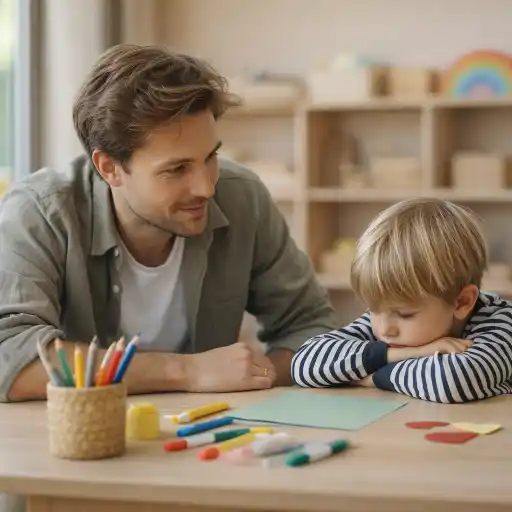
Keep your response brief, warm, and private. Avoid reacting with surprise, asking “Why not?” in front of peers, or suggesting another relative before the child has expressed interest. Even a well-meant question can make a personal decision feel like a public explanation.
Try offering simple, neutral choices: “You don’t have to make this gift. Would you like to choose another activity, watch for now, or make something for someone else?” Make clear that passing is acceptable. If the child shares a feeling, listen without rushing to fix it. You might say, “Thank you for telling me,” or “That sounds hard. I’m here with you.”
- Use a calm tone and acknowledge the child’s choice without judgment.
- Offer a parallel activity in the same classroom, when practical.
- Let the child observe, take a break, or return to the project later.
- Do not ask the child to explain family circumstances to classmates.
- Follow the child’s lead if they independently choose a different recipient.
Avoid redirecting the child as though their reluctance were misbehavior. The CDC’s guidance on redirecting attention is for minor attention-seeking behaviors and cautions against ignoring distress or needs; a child’s refusal to make a holiday gift is not a behavior to extinguish. Offer connection, observe, and provide support appropriate to what the child communicates.
How can you offer alternatives without singling anyone out?
Prepare choices for the whole group, rather than inventing a conspicuous exception after one child declines. A classroom invitation can include several equally valued options: make a card, draw or build freely, choose another open-ended activity, observe, or pass. This makes flexibility part of the routine instead of a special arrangement that exposes a child.
Consider reframing the activity around appreciation or caring relationships, while honoring the holiday for children who want to participate. A child might make a gift for a father, grandfather, uncle, step-parent, foster caregiver, mentor, or another important person—but should not be steered toward a recipient or asked to select one. Some children may prefer to create something unrelated to family, and that is a valid choice.
NAEYC’s anti-bias approach to holiday curriculum distinguishes learning about a holiday from requiring all children to celebrate it. The same principle can guide a gift activity: explain the purpose simply, allow different ways to engage, and do not assume that a popular or commercial tradition is neutral for every family.
- Make alternatives appealing and comparable in time, materials, and adult attention.
- Keep choices accessible and developmentally appropriate for children’s abilities.
- Use open-ended materials so children can choose what to create and for whom.
- Protect privacy when displaying, photographing, or sending home children’s work.
How should providers communicate with families?
Reach out privately and early when you are planning Father’s Day activities, especially if a child has expressed discomfort or the family has already shared relevant preferences. Describe what the class will do, explain that participation is optional, and ask an open-ended question such as, “Are there any preferences you would like us to keep in mind for this activity?” Families should not have to disclose personal or painful details to decline.
If a child has said no, avoid sharing that response broadly or presenting the child as the reason for changing the plan. Consult the caregiver discreetly, when appropriate, and agree on a supportive option. A family may welcome a different recipient, a remembrance activity, or no gift-making at all; practices differ, so do not presume what would help.
Keep the conversation collaborative and strengths-based. Thank caregivers for sharing preferences, confirm the agreed plan, and communicate only necessary information to staff who will support the child. As ZERO TO THREE notes in its educator guidance, advance family communication can help educators prepare a considerate approach for children navigating loss, absence, or family differences. For more professional learning on respectful family partnerships, explore Family Connections: Creating Inclusive Relationships Buy Now $55.00.
What common pitfalls should teams avoid?
Good intentions do not always make an activity feel optional. A child may experience pressure if adults keep asking, praise only children who finish, or imply that a father will be disappointed. Avoid these messages, even when the craft is meant to be joyful. Children deserve to participate on their own terms.
- Do not insist on a reason. A child may pass without explaining.
- Do not assume who the gift should be for. Let the child choose, if they want to choose.
- Do not make the alternative a punishment. Offer a meaningful activity and normal adult attention.
- Do not praise compliance over comfort. Affirm creativity, communication, and self-advocacy—not just completion.
- Do not treat silence as agreement. Explain choices clearly and check in gently.
- 🎨 Review the plan as a team: Can every child decline privately and still feel included?
Directors can support consistency by establishing a simple practice for holiday activities: invitations explain choices, alternatives are prepared, family preferences are handled confidentially, and staff use shared language. Reflect afterward on whether children had genuine options and whether any child was unintentionally singled out. State requirements vary—check your state licensing agency and program policies when plans involve visitors, food, photographs, or accommodations.
How can you support the child after the activity?
Notice the child’s cues during and after the activity. Some children will move on easily; others may show sadness, frustration, withdrawal, or questions later. Offer a familiar routine, attentive listening, and reassurance without pressing for more information. If the child shares something concerning or appears persistently distressed, follow your program’s procedures for communicating with caregivers and connecting the family with appropriate support.
Use everyday classroom materials and language to represent varied family experiences throughout the year, not only around holidays. Books, dramatic-play figures, family drawings, and conversations about caring relationships can help children see that families differ and that care can come from many people. Better Kid Care’s reflection on holidays and belonging encourages educators to center family input, meaningful experiences, and inclusion in their decisions.
Providers who want to build skills in supporting children through grief and loss can also consider ChildCareEd’s Healing Young Hearts: Stress and Grief Buy Now $16.00. For broader classroom inclusion and culturally responsive planning, see Diversity, Equity, and Inclusion in Education Buy Now $16.00 and From Play to Planning: Building Culturally Competent, Child-Centered Curriculum Buy Now $55.00.
Conclusion: What is the most supportive response?
When a child does not want to make a Father’s Day gift, accept the refusal without pressure, offer genuine alternatives, and protect the child’s privacy. Partner with the family when appropriate, avoid assumptions about the child’s relationships, and make sure opting out does not mean losing connection, choice, or adult care.
The central question is not how to persuade the child to finish the craft; it is how to help the child feel respected and secure. A flexible, compassionate response honors the child’s agency and strengthens a classroom culture where every child can belong, whether they make a gift, choose another activity, or pass.
- 👧 ¿Cómo iniciar y abrir una guardería en Texas? Lo que necesitas saber
- 🚨 Reporte Obligatorio en Nevada
- Celebrating Fathers and Special Grown-Ups: Easy Activities for Child Care
- Recursos en Español sobre el Sueño Seguro del Bebé
- Normas de Licenciamiento de Cuidado Infantil en Virginia para Centros Diurnos Infantiles y Hogares Diurnos Familiares
- Lista para Abrir una Guardería en Casa en Virginia: Cómo Empezar
- Lista para Guardería en Casa en Illinois: Cómo Iniciar una Guardería en el Hogar
- Lista para Guardería en Casa en California: Cómo Iniciar una Guardería en el Hogar
- Retraso del Habla en la Guardería: Cómo Pueden Ayudar los Proveedores
- Cómo Trabajar en el Cuidado Infantil en California: Requisitos y Pasos
- Cómo Ser Maestra de Preescolar en Dakota del Norte
- Capacitación Previa al Servicio para Proveedores de Cuidado Infantil en Dakota del Norte
- Father’s Day Keepsake Ideas for Preschool and Child Care
- Father’s Day Activities Students Can Make and Share
- Father’s Day School Event Ideas for Early Childhood
- Celebrando la amistad en el cuidado infantil durante el Día de los Mejores Amigos
- How Can Handmade Gifts Help Children Express Appreciation?
- How Can Writing and Art Activities Help Children Name What They Appreciate?
- How Can Child Care Programs Plan Appreciation Activities When Families Use Different Names for Caregivers?
- What Should You Do When a Child Does Not Want to Make a Father’s Day Gift?
