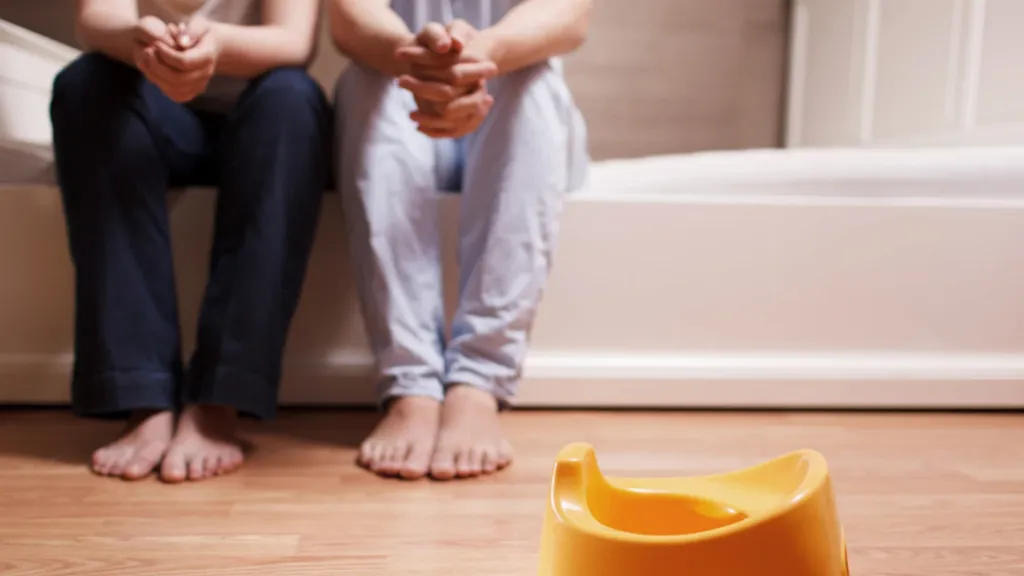
 Potty training can look very different from one family to another. In some places, families start early. In other places, families wait until children are older and show clear signs they are ready. In child care, this can be confusing but it does not have to be stressful. This guide will help you focus on what matters most: readiness, respect, and simple routines. #PottyTraining #Culture #ChildCare
Why does potty training look different around the world?
Potty training is shaped by many things, like:
-
Family traditions and beliefs
-
How easy it is to wash clothes
-
Access to diapers and supplies
-
Work schedules and child care routines
-
What adults were taught when they were young
Some families use a method where adults watch baby cues very closely and offer the toilet early. Other families wait until children can talk more and manage clothing by themselves. Both approaches can come from love and care.
A helpful rule for providers is: Don’t judge the timeline. Ask questions and partner with the family.
What ages do children usually start potty training?
There is no single “best” age worldwide. Children start at different times, even within the same country or culture. Instead of focusing only on age, it helps to focus on readiness signs.
In group care, readiness matters because children need to be safe, comfortable, and supported without pressure.
What are the most important potty training readiness signs?
A child may be ready when you see several of these signs (not always all at once):
-
Stays dry longer (for example, 1–2 hours)
-
Notices a wet/dirty diaper and wants it changed
-
Can follow simple directions (“Sit,” “Pull up,” “Wash hands”)
-
Can sit on the toilet or potty for a short time
-
Shows interest (watches others, asks questions, wants underwear)
-
Has predictable times they usually go (after meals, after nap)
-
Can communicate needs (words, signs, gestures, or picture cards)
-
Can help with clothing (pull pants up/down with support)
ChildCareEd resource (checklist):
Use this printable tool to help you decide if a child is ready: Potty Training Readiness Checklist Buy Now $0.00
What readiness signs might look different in different cultures?
Sometimes families have different “readiness clues” because of how they potty train at home. For example:
-
A family may use sound cues or a special word at home.
-
A family may expect toileting help earlier, but the child still needs time to adjust in group care.
-
A family may prefer water cleaning instead of wipes, or may have different privacy expectations.
Instead of saying, “We don’t do it that way,” try:
-
“Tell me what works at home.”
-
“What words do you use?”
-
“What does your child do right before they go?”
This builds trust and helps the child feel secure.
How can providers support potty training in a respectful way?
A strong potty training plan is simple and consistent. It also respects family culture and the child’s development.
Use a shared plan with the family
Ask the family to help you fill out a short plan that includes:
-
Toilet words used at home (potty, baño, toilet, etc.)
-
Preferred clothing (easy-on pants)
-
Comfort items (book, song, small toy)
-
When the child usually goes
-
Any medical concerns (constipation, UTIs, sensory needs)
Keep routines predictable
Most children do best with regular potty times:
-
after arrival
-
before outdoor play
-
before meals/snack
-
after nap
-
before going home
Use calm, simple language
Try short phrases:
-
“Potty time. Then play.”
-
“Sit. Breathe. Try.”
-
“All done. Wash hands.”
Praise effort, not perfection
Say:
-
“You tried. Good job.”
-
“You told me you had to go.”
-
“You kept your body safe.”
Avoid shame words like “dirty” or “bad.”
What common mistakes can slow progress?
These problems happen often in child care—and they are fixable:
-
Starting because of age only (not readiness)
-
Too many changes at once (new room + new teacher + potty training)
-
Pressure or punishment (can cause fear and withholding)
-
Inconsistent routines (potty offered randomly)
-
Clothing that is hard to manage (tight jeans, many buttons)
-
Not watching for constipation (a big hidden cause of accidents)
How do I talk with families when expectations are different?
Some families may say, “In my country, children train earlier,” or “My child should be done by now.” Others may want to wait longer.
Here are respectful ways to respond:
-
“Many families do it differently. Let’s look at your child’s readiness signs.”
-
“We can support your goal, and we also want your child to feel confident.”
-
“Let’s try a two-week plan and review what works.”
Related ChildCareEd article (family communication):
How Do I Talk to Parents When a Child Isn’t Making Potty Training Progress?
What paperwork helps providers and directors stay organized?
Good paperwork does not need to be long. It just needs to be clear.
A simple potty training plan (1 page)
Include:
-
Start date
-
Potty schedule times
-
Child’s cues
-
Family words/routine
-
Rewards or encouragement (if used)
-
What to do after accidents (steps, calm script)
A supply checklist
Ask families to bring:
-
3–5 changes of clothes
-
extra underwear (if using)
-
wipes/cleaning supplies (if requested)
-
plastic bags for soiled clothes
-
easy-on shoes and pants
A short progress log
Track only what you need:
-
dry times
-
successful potty attempts
-
patterns (always after snack, always during transitions)
This helps you make smart changes without guessing.
What training can help staff support potty training and cultural differences?
These ChildCareEd courses match the needs in this topic:
-
Potty training strategies + family partnership Buy Now $25.00
-
Working with families from diverse language/cultural backgrounds
 Buy Now $24.00
Quick “start tomorrow” plan for busy classrooms
If you need a simple way to begin, try this:
-
Use the Readiness Checklist Buy Now $0.00 with the family
-
Pick 3–5 potty times in your daily schedule (same times every day).
-
Teach one routine: pants down → sit → wipe/help → pants up → wash hands.
-
Use the same short phrases every time.
-
Review after two weeks and adjust.
Conclusion
Around the world, potty training timelines can be different—and that’s normal. In child care, the best approach is to focus on readiness signs, keep routines simple, and work closely with families in a respectful way. When you use clear paperwork and consistent language, children feel safer and learn faster. #EarlyChildhood #FamilyPartnership
- 🤔 ¿Cómo hablo con los padres cuando un niño no está avanzando en el entrenamiento para ir al baño?
- 🚨 Reporte Obligatorio en Nevada
- 10 Ejemplos de Cómo la Cultura Influye en el Desarrollo Infantil
- Capacitación en Línea con Certificado sobre Abuso y Negligencia
- Temas y Actividades para el Día Nacional del Kindergarten para Proveedores
- Las Mejores Ideas de Excursiones para Guarderías en Georgia
- Fun Multicultural Activities for Preschoolers
- How are ChildCareEd's cultural competency courses helping New York childcare workers serve the city's most diverse communities?
- Child Care Daily Routine Examples for Infants, Toddlers, and Preschoolers
- Exploring Cultures with Around the World Activities
- Cultural Activities for Preschoolers: Fun Ways to Learn About the World
- How can child care programs use safe diapering and toileting procedures to protect children and stay compliant?
- Toddler Toilet Readiness Checklist for Parents and Teachers
- How to Know When a Child Is Ready for Toilet Training
- 15 Around-the-World Activities Toddlers Can Explore Through Play
- Mawlid Around the World: How Kids Can Explore Different Traditions and Celebrations
- Social Studies Activities for Toddlers: Start With Home, Helpers, and Their Little World
- How Can Preschool Thanksgiving Activities Avoid Stereotypes?
