How to provide routine for Preschooler at Home - post

How to provide routine for Preschooler at Home

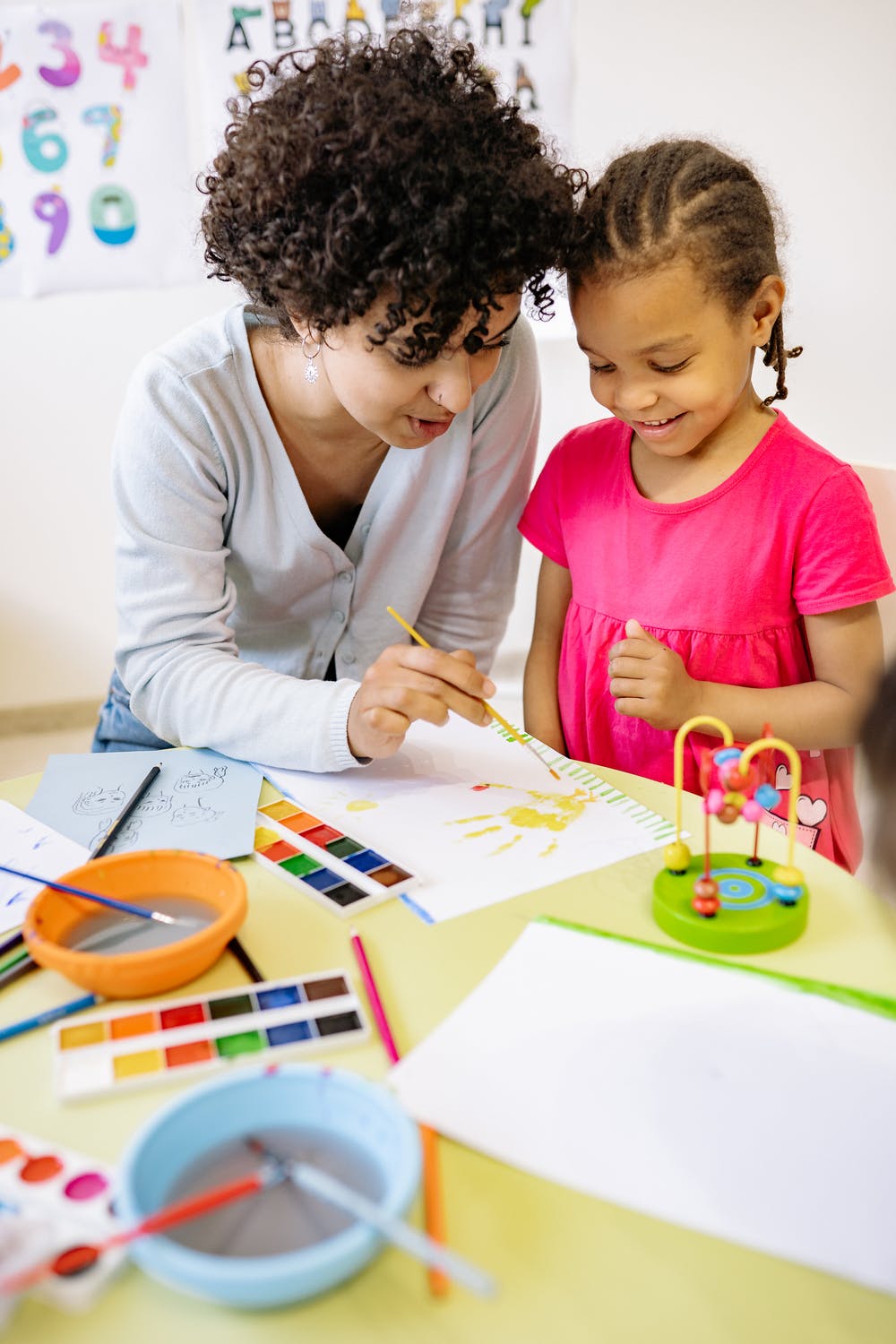
 image in article How to provide routine for Preschooler at HomeCreating a consistent daily routine for #preschoolers at #home helps them feel secure, encourages positive behavior, and builds independence. A good routine should balance structured activities with time for #play, learning, and rest. Here’s an example of a well-rounded daily routine for preschoolers:

Sample Daily Routine for Preschoolers

Morning Routine:

  • 7:00–7:30 AM: Wake up and Morning Hygiene
    • Help your child wake up, use the bathroom, wash hands, brush teeth, and get dressed.
    • Encourage some independence in these tasks (like brushing their teeth) while still providing support.
  • 7:30–8:00 AM: Breakfast
    • Serve a #healthy breakfast together, and have some conversation during the meal to engage your child.
  • 8:00–8:30 AM: Free Play/Independent Play
    • Allow your child to play with their favorite toys or engage in creative activities like building blocks, drawing, or #pretend-play. This helps them start the day independently.

Mid-Morning:

  • 8:30–9:00 AM: Morning Learning Activity
  • 9:00–9:30 AM: Physical Activity
    • Get some physical exercise through activities like dancing, jumping on a trampoline, running around outside, or playing with a ball. Preschoolers need active movement for their physical #development.

Late Morning:

  • 9:30–10:00 AM: Snack Time
    • Offer a healthy snack like fruits, crackers with cheese, or yogurt. Use this time to chat about their morning and prepare them for the next activities.
  • 10:00–11:00 AM: Learning or Themed Activity
    • Choose activities that align with what your child is interested in or developing skills for, such as #puzzles, art projects, #sensory-play (like playdough or water play), or science experiments. You can also focus on simple concepts like shapes, colors, or counting.

Lunch and Rest Time:

  • 11:30 AM–12:00 PM: Lunch
    • Serve a balanced lunch and encourage your child to help with simple tasks like setting the table or serving themselves.
  • 12:00–1:00 PM: Quiet Time or Nap
    • Preschoolers need rest in the afternoon. Some children may take a nap, while others might benefit from quiet time (looking at books or listening to calming music). Ensure the environment is calm and conducive to rest.

Afternoon Routine:

  • 1:00–2:00 PM: Outdoor Play

    • After rest time, go outside for fresh air. Play at the park, go for a walk, ride tricycles, or #explore-nature. Outdoor activities support motor development and provide an opportunity for creativity.
  • 2:00–3:00 PM: Structured Play (Learning Time)

    • Introduce educational games or activities that engage their minds. For example, you could try sorting objects by color or size, practicing letter recognition, or doing a simple puzzle.
  • 3:00–3:30 PM: Snack

    • Offer another healthy snack to keep their energy up.

Late Afternoon:

  • 3:30–4:30 PM: Creative Play
    • Encourage imagination through arts and crafts, pretend play (such as setting up a "store" or "kitchen"), or building with blocks. This fosters creativity and problem-solving skills.
  • 4:30–5:00 PM: Screen Time (Optional)
    • If you allow screen time, this is a good time for a short episode of an educational TV show or a video game that focuses on learning.
    • Keep it limited to 20-30 minutes to avoid overstimulation.

Evening Routine:

  • 5:00–5:30 PM: Dinner

    • Eat dinner as a family, giving your child an opportunity to share their day and bond with you.
  • 5:30–6:00 PM: Clean-Up and Chores

    • Involve your child in simple chores like cleaning up toys, putting clothes in the laundry basket, or wiping down surfaces. This teaches responsibility and helps develop good habits.
  • 6:00–6:30 PM: Family Play or Relaxing Activity

    • Spend time together as a family with a calm, enjoyable activity like reading a story, playing a board game, or a short walk outside.
  • 6:30–7:00 PM: Bath Time

    • Begin winding down the day with a calming bath routine. This is a good time to discuss the day's events or sing songs together.
  • 7:00–7:30 PM: Bedtime Routine

    • After bath time, help your child get into pajamas and brush their teeth.
    • Choose a few calming activities, like reading a story or talking about what they look forward to tomorrow. This helps them relax and feel secure before bed.
  • 7:30–8:00 PM: Bedtime

    • Stick to a consistent bedtime to ensure your child gets enough #sleep (usually around 10-1 #2-hours for preschoolers). You can say goodnight with a favorite phrase or cuddle.

Tips for Success:

  • Flexibility is Key: While routines are important, allow some flexibility for unexpected events or changes.
  • Adjust for Your Child’s Needs: Every child is different, so adjust the timing or type of activities to suit their preferences and energy levels.
  • Keep Transitions Smooth: Give warnings before transitioning from one activity to another (e.g., “In 5 minutes, we’re going to start getting ready for lunch”). This helps reduce resistance.
  • Involve Your Child: Let your child have input in activities or decisions (e.g., "What story would you like to read tonight?").

A structured, predictable routine helps preschoolers feel secure and encourages their development in various areas, from motor skills to social interactions. Learn more at ChildCareEd.com


  Categories
  Related Articles
Need help? Call us at 1(833)283-2241 (2TEACH1)
Call us
