Choosing nursery snacks is both a nutrition decision and a safety responsibility: the right food must match a child’s developmental skills, eating abilities, allergies, and program policies. Strengthen your daily practice with CDA Infants/Toddlers: Smart Nutrition & Feeding  Buy Now $24.00, which helps providers plan age-appropriate feeding schedules, introduce foods, and address allergies. For broader menu planning and food-handling knowledge, explore Food Preparation and Nutrition Buy Now $32.00 to support safer preparation, storage, and classroom routines.
Why do age-appropriate snacks matter in nursery care?
Snack time is more than a pause between meals. It supports energy, concentration, social connection, self-feeding, and gradual acceptance of new tastes and textures. Infants, toddlers, and preschoolers do not share the same chewing coordination, grasp, appetite, or ability to communicate discomfort, so a snack that is reasonable for a four-year-old may be unsafe for a younger child.
Providers also balance family preferences, dietary restrictions, cultural foods, sanitation, supervision, and—when applicable—meal-pattern requirements. A practical system begins with the child rather than the menu: consider developmental readiness, texture, shape, portion, allergy information, and the environment in which the food will be eaten.
The CDC explains that complementary foods generally begin around six months while breast milk or infant formula continues to provide important nutrition. By age two, many children can eat most family foods when those foods are prepared in developmentally appropriate ways. This progression makes careful observation and communication essential. For a broader discussion of breastfeeding, healthy eating, and families’ role in supporting children’s nutrition, see our overview of child health and nutrition in early childhood.
What can babies safely eat during the transition to solids?
Before approximately six months, breast milk or infant formula is generally the primary food. Solid foods should be introduced according to developmental readiness and family health guidance—not simply because a baby wakes more often or appears interested in food. Readiness commonly includes sitting with support, steady head control, reaching for objects, opening the mouth for food, and swallowing rather than repeatedly pushing food out.
When a baby is ready, offer very small amounts of soft, nutritious foods while continuing milk feeds. Iron-rich foods deserve special attention because iron needs increase during later infancy.
- Iron-fortified infant cereal mixed to an appropriate consistency
- Puréed or mashed beans, lentils, tofu, egg, meat, poultry, or fish prepared safely
- Soft vegetables such as sweet potato, squash, broccoli, or carrots
- Soft fruits such as banana, avocado, ripe pear, or mango
- Plain, full-fat yogurt or finely grated soft cheese when appropriate
Progress from smooth purées to thicker, lumpy, mashed, minced, and soft finger-food textures as skills develop. HealthLink BC recommends offering lumpy textures by about nine months and notes that many babies can manage chopped foods around eight to twelve months. Always supervise feeding, seat the baby upright, and adjust food size and texture to the individual child.
Do not serve honey to children under one year. Avoid unpasteurized products, undercooked animal foods, and foods that are hard, round, sticky, or difficult to swallow. Because individual medical needs differ, collaborate with families and health professionals when a baby is premature, has a developmental concern, or has a feeding plan.
Which snacks are appropriate for toddlers?
Toddlers have small stomachs and high activity levels, so predictable snacks can help bridge the time between meals. A useful pattern combines a fruit or vegetable with a grain, protein, or dairy food, while respecting hunger and fullness cues. Portions should be modest; children can request more rather than being expected to finish a fixed serving.
- Soft banana pieces with plain yogurt
- Steamed apple slices with a thin spread of smooth seed butter, if permitted
- Avocado on soft toast cut into manageable strips
- Finely shredded cheese with soft whole-grain bread
- Hummus with soft pita strips and cooked vegetables
- Mashed beans with a soft tortilla
- Soft, chopped egg with fruit that has been flattened or appropriately cut
- Unsweetened applesauce with a soft muffin or infant-safe cereal
Modify common hazards carefully. Cut grapes and cherry tomatoes into quarters or otherwise prepare them according to the child’s development. Cook hard vegetables until tender; grate or thinly slice firm fruits; finely chop meat; and grate hard cheese. Smooth nut or seed butter should be spread thinly or mixed into another food rather than served by the spoonful.
Keep toddlers seated while eating. Walking, running, laughing with food in the mouth, eating in a stroller, and distracted eating increase risk. The CDC advises calm meals, upright seating, close observation, and preparation that reflects the child’s developmental abilities.
What can preschoolers eat safely?
Preschoolers typically have more refined chewing, biting, and pincer-grasp skills, but developmental maturity varies. They still need active supervision and continued modification of foods with choking potential. Preschool snacks can include more family foods, yet “older” does not mean “risk-free.”
- Whole-grain crackers with thin cheese slices
- Plain yogurt with soft fruit
- Small sandwiches cut into manageable portions
- Soft vegetable muffins or mini frittatas
- Cooked pasta, rice, or quinoa with vegetables
- Hummus with soft pita and appropriately prepared vegetables
- Applesauce, canned fruit in water, or fresh fruit prepared safely
- Milk or water, according to the child’s plan and program policy
Avoid or carefully modify whole grapes, firm berries, cherry tomatoes, raw carrot coins, hard apple chunks, popcorn, whole nuts, hard candy, gummy candy, gum, marshmallows, large meat pieces, hot dogs, and sticky spoonfuls of nut butter. The CDC and American Academy of Pediatrics emphasize that round, firm, hard, sticky, and tough foods can obstruct a young child’s airway even after self-feeding has begun.
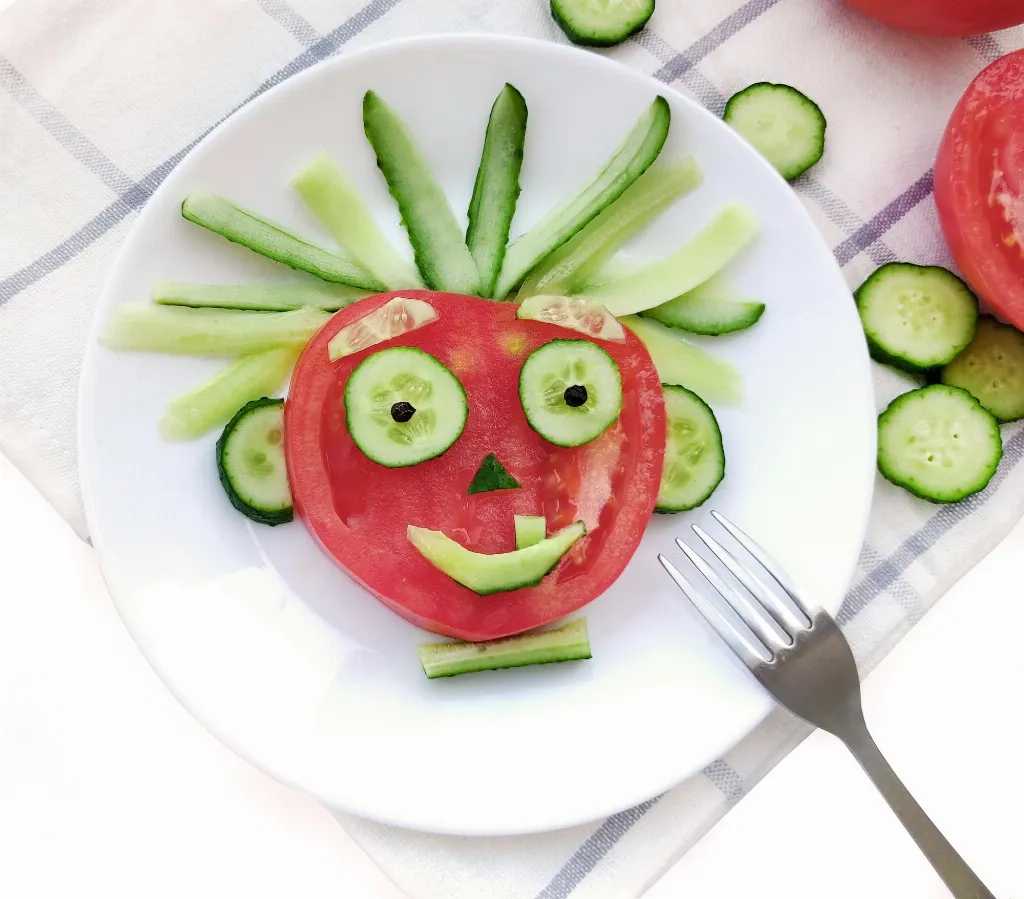
Snack presentation can invite exploration without pressure. Let children help wash produce, spread hummus with assistance, or choose between two nutritious options. Avoid using sweets as rewards and avoid requiring children to clean their plates. These practices support responsive #feeding and a positive relationship with food.
How should providers manage choking, allergies, and food safety?
Safe snacks depend on systems, not memory. Before serving, staff should review each child’s allergy and feeding information, check labels, prevent cross-contact, wash hands, clean surfaces, and verify that food has been stored at safe temperatures. Keep individualized action plans accessible and ensure all staff—including substitutes—know the response procedure.
- 🍎 Seat every child upright at a table or approved feeding space.
- Prepare food by texture, shape, and size—not merely by chronological age.
- Supervise continuously; position adults so every child is visible and reachable.
- Prevent children from sharing food when allergies or restrictions are present.
- Use separate utensils and surfaces when required by the child’s plan.
- Document substitutions, incident responses, and family communication.
Food introduction and allergy management require individualized guidance. Potential allergens may be introduced during complementary feeding when developmentally appropriate, but children with severe eczema, an existing food allergy, or a previous reaction may need medical guidance first. If a reaction is suspected, stop serving the food and follow the child’s emergency action plan. Breathing difficulty, swelling of the tongue or throat, collapse, or other signs of anaphylaxis require emergency action and 911 according to program policy.
Choking response is not a substitute for training. Staff should complete appropriate pediatric first aid and CPR training, practice age-specific procedures, and know when to call emergency services. Keep food preparation checklists visible and review them during staff meetings. Remember that state requirements vary - check your state licensing agency.
How can directors build a practical snack system?
Directors can reduce inconsistency by creating a snack matrix organized by age group, texture, allergen status, preparation method, and required supervision. Each classroom should receive the same written expectations, while individual feeding plans remain specific to each child.
- Collect information: obtain family-provided allergy, feeding, cultural, and medical details.
- Map developmental needs: record whether a child needs purées, mashed foods, soft strips, minced foods, or small pieces.
- Plan balanced combinations: pair produce with a grain, protein, dairy food, or healthy fat when appropriate.
- Standardize preparation: post examples for cutting grapes, cooking vegetables, thinning spreads, and removing pits or bones.
- Control the environment: assign seating, supervision zones, cleaning responsibilities, and emergency roles.
- Communicate with families: share menus, substitutions, and new-food observations without judgment.
- Review regularly: update plans when children develop new skills, change classrooms, or experience a reaction.
If your program participates in CACFP, verify the current snack pattern and portion requirements for each age group rather than relying on informal charts. Nutrition quality and reimbursement compliance are related but not identical: a snack can be nutritious yet require adjustment to meet the applicable meal pattern.
Common mistakes include serving the same cut to every age group, assuming teeth equal chewing readiness, placing allergy information only in one location, and allowing rushed transitions. A short pre-snack huddle can prevent many errors: confirm the menu, substitutions, seating plan, supervision assignments, and emergency materials.
Conclusion: What is the safest approach to nursery snacks?
The safest nursery snack is not defined by a single food list. It is a developmentally appropriate food prepared in a safe texture and shape, served in a calm seated environment, supervised by an informed adult, and matched to the child’s nutrition, allergy, and family plan.
For babies, prioritize continued milk feeds, developmental readiness, iron-rich foods, and gradual texture progression. For toddlers, provide small balanced offerings and modify round, hard, sticky, and tough foods. For preschoolers, expand variety while continuing active supervision and careful preparation. Across every age group, strong systems—label checks, sanitation, documentation, staff training, and family partnership—turn snack time into a safe, nourishing learning experience.
Use the CDC’s choking-hazard guidance, review current local regulations, and continue building professional knowledge through relevant training. Thoughtful snack planning protects children while helping them become confident, responsive eaters.
- Basic Health & Safety and Breastfeeding Awareness
- Nutrition Essentials for Child Care Providers
- CDA: Special Needs: Understanding the Whole Child
- 45-Hour Infant and Toddler Curriculum
- Medication Administration and the Prevention of and Response to Food and Other Allergies in the Child Care Environment
- Texas Director Credential
- CDA Infants/Toddlers: Stages of Development
- On My Plate: Children's Nutrition
- 🥦✨ ¿Cómo apoyar a los niños selectivos a probar nuevos alimentos sin presión?
- 👶😴¿Es Normal que los Niños Griten o Lloren al Despertarse?
- Pascua En El Aula: Actividades Sencillas Para Aprender y Celebrar Con Seguridad
- Menos Estrés a la Hora de Comer: Rutinas Simples Que Sí Funcionan
- Recursos en Español sobre el Sueño Seguro del Bebé
- Apoyo en Español para Capacitaciones Grupales Presenciales y por Zoom en Cursos Selectos
- Capacitación en Salud y Seguridad Preventiva en Línea para Proveedores de Cuidado Infantil
- Proporciones de Cuidado Infantil y Tamaños de Grupo por Edad en Maryland (Guía Rápida para Centros y Hogares)
- Proporciones de Cuidado Infantil y Tamaños de Grupo por Edad en Wisconsin (Guía Rápida para Centros y Hogares)
- Proporciones de Cuidado Infantil y Tamaños de Grupo por Edad en Nueva Jersey (Guía Rápida para Centros y Hogares)
- Proporciones de Cuidado Infantil y Tamaños de Grupo por Edad en Virginia (Guía Rápida para Centros y Hogares)
- Actividades de Otoño Fáciles para Preescolares esta Temporada
- Ejemplos de Crianza Respetuosa vs. Crianza Permisiva
- Retraso del Habla en la Guardería: Cómo Pueden Ayudar los Proveedores
- Celebrando la amistad en el cuidado infantil durante el Día de los Mejores Amigos
- Canciones, juegos y preguntas de círculo para niños
- How can songs and stories encourage toddler language development?
- Proporciones para guarderías en casa bajo el Título 22: Cómo la mezcla de edades cambia su capacidad en California
- What Makes Babies Stressed in Child Care? 7 Nursery Changes That Can Help
- Nursery Snack Ideas by Age: What Can Babies, Toddlers, and Preschoolers Safely Eat?
