Hurricane season means thinking and acting now—before wind, rain, and power outages come. This short guide helps Texas child care directors and providers update what matters most so your program protects kids, comforts #families, and supports #s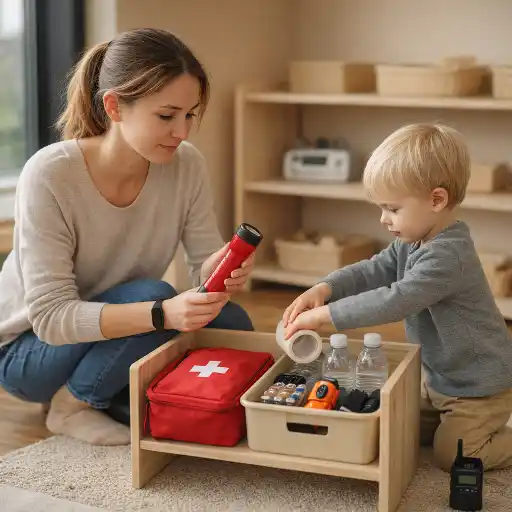 taff. Use the numbered steps to make small tasks into big safety wins. For templates and training, look first at ChildCareEd's guide to emergency preparedness and the Emergency and Disaster Preparedness course
  Buy Now $55.00. Remember: state requirements vary - check your state licensing agency.
1) What documents and written plans should we check and update now?
- Update your written Emergency Plan (1–2 pages plus maps): include evacuation, shelter-in-place, and lockdown steps. Post diagrams near exits as required; see Texas licensing notes at Texas CCDBG emergency prep.
- Revise your reunification plan: list primary and backup reunification sites and the ID process. Follow CDC reunification tips at CDC reunification.
- Check and refresh emergency contacts and health records: phone numbers, allergy info, and medication authorizations. Keep a printed copy in your Go-Bag.
- Post staff roles and numbered job cards in every room so substitutes know what to do.
- Document review dates and who updated the plan. Keep one copy near the director's desk and one in each classroom.
2) What emergency supplies and Go-Bags must we inspect and restock?
- ✔️ Classroom Go-Bags (keep one near each main exit):
- 🔹 Attendance sheet and printed emergency contacts
- 🔸 First aid kit and child medications (with consent)
- 🔹 Water, nonperishable snacks, diapers/infant items
- 🔸 Flashlight, batteries, battery radio, power bank
- 🔹 Comfort items (small books, favorite toys)
- Center-level supplies: extra water (1 gal/day/person), backup medications, copies of licensing and insurance papers, large tarps, and duct tape.
- Special needs: keep spare medication, mobility aids, and supplies for children with disabilities. Label items clearly.
- Schedule checks: every 3 months or after a drill. Replace expired food and batteries.
Common mistakes to avoid:
- ❌ Outdated phone lists — fix: confirm contacts monthly and keep a paper copy.
- ❌ Go-Bags stored too high or hard to reach — fix: place near exit and mark with bright tape.
- ❌ Forgetting infant supplies — fix: checklist that includes formula, bottles, and diapers.
3) How should we train staff and run drills before hurricane season?
- Train and assign roles (post them):
- 🟢 Director: primary communicator with parents and emergency services.
- 🟢 Lead teacher: gathers attendance and Go-Bag.
- 🟢 Assistant: comforts children and watches for special needs.
- Run and document drills:
- 🔁 Fire monthly; severe weather and lockdown at least quarterly (follow Texas guidance in CCDBG rule change).
- 🔁 Practice at different times of day and use tabletop exercises for tricky choices.
- Keep drills calm for kids: use short language, a familiar song, and a comfort corner after drills.
- Debrief after every drill: note time, who participated, what worked, and one fix for next time.
4) How do we communicate with families and coordinate reunification and community partners?
Clear communication keeps families calm. Tell parents your plan before the season starts and use more than one way to reach them. The Texas School Safety Center and CDC give good guidance for reunification and family notice: Texas School Safety Center and CDC reunification.
- Communicate early and often:
- 📣 Send a one-page hurricane season notice to families with your phone tree and reunification site.
- 📣 Keep a printed list of contacts in your Go-Bag if cell service fails.
- Use a clear reunification method:
- 🔐 Check photo ID and sign out against your printed roster.
- 🔐 Move families to a staffed area for safe pickup; keep records of who left and when.
- Partner with local responders and licensing: invite fire or EMS to review your plan and give feedback. Share your plan with local emergency managers when appropriate. Consider recognizing and connecting with those responders around National Responders Day (October 28) to strengthen community partnerships and show appreciation for local emergency personnel.
- FAQ (short):
- Q: Who decides to evacuate? A: The on-site director, after checking hazards or following official orders, calls 911 for immediate danger.
- Q: How often update contacts? A: At least quarterly and at enrollment changes.
- Q: What if phones die? A: Use printed lists, battery radios, or a designated out-of-area contact.
Conclusion
Before the next storm, do these 5 quick actions:
- Update and post your written plan and diagrams (ChildCareEd resources).
- Restock and re-check classroom Go-Bags and center supplies (see TexasReady and Red Cross lists).
- Clarify and post staff roles; run a short practice drill this week.
- Share your reunification plan with families and keep paper copies of contacts.
- Train with local responders and use free online courses like FEMA IS-36 or ChildCareEd training (Texas CCDBG guidance).
Your steady preparation keeps our #children safe, calms #families, and supports your #staff when it matters most. Small updates now save time and worry later. For more templates and free resources, see ChildCareEd's resource page: Emergency & Disaster resources.
- 45 Hour Child Growth and Development
- Pediatric RSV First Aid & CPR/AED
- CDA Bridge Bundle: Family Child Care
- 24 Hour Texas Pre-Service
- CDA Bridge Bundle: Family Child Care without Portfolio Review
- CDA Bridge Bundle: Infant/Toddler without Portfolio Review
- CDA Bridge Bundle: Preschool without Portfolio Review
- Texas Director Credential Renewal
- Texas Director Credential
- 🍼📋 ¿Qué necesitas para trabajar en el cuidado infantil en Texas?
- 👧 ¿Cómo iniciar y abrir una guardería en Texas? Lo que necesitas saber
- Qué capacitación se requiere para ser director de cuidado infantil en Texas?
- Menos Estrés a la Hora de Comer: Rutinas Simples Que Sí Funcionan
- ¿Qué Se Necesita para Comenzar una Guardería en Casa en Texas?
- Proceso CDA: Entrenamiento, Portafolio, Examen y Visita de Verificació
- ¿Cómo pueden los equipos de cuidado infantil practicar habilidades rápidas de primeros auxilios en situaciones reales?
- Capacitación en Salud y Seguridad Preventiva en Línea para Proveedores de Cuidado Infantil
- Cómo Solicitar una Licencia de Guardería en Texas
- Regulaciones de Licenciamiento de Cuidado Infantil en California para Centros y Hogares de Cuidado Infantil Familiar
- Proporciones de Cuidado Infantil y Tamaños de Grupo por Edad en Maryland (Guía Rápida para Centros y Hogares)
- Normas de Licenciamiento de Cuidado Infantil en Illinois: Guía para Centros y Hogares de Cuidado Infantil
- Lista para Guardería en Casa en Texas: Cómo Iniciar una Guardería en el Hogar
- Capacitación Previa al Servicio para Proveedores de Cuidado Infantil en Dakota del Norte
- Capacitación Previa al Servicio para Proveedores de Cuidado Infantil en Texas
- How can we teach little ones hurricane safety in Florida and make them our "Little Storm Helpers"?
- How can our Florida child care program get ready for hurricane season?
- Daycare Storm Safety: When to Shelter, Close, or Evacuate
- What Must Texas Child Care Providers Update Before Hurricane Season Starts?
- How Can Georgia Providers Rebuild Safe Learning Spaces After Hurricane Helene?
