What is National Responders Day and when is it observed?
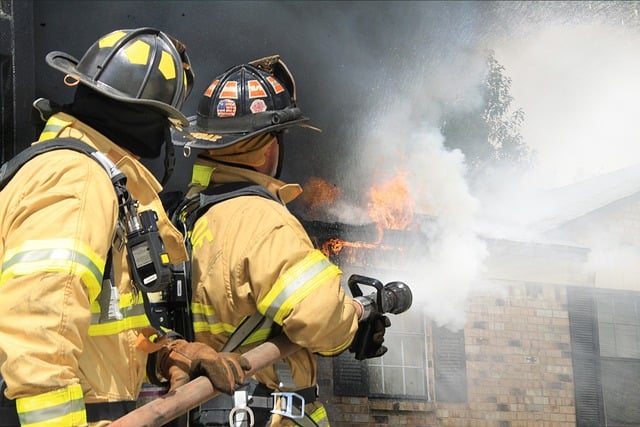
National Responders Day is observed in late October; Congress designated a day (commonly referenced as Oct. 28) to recognize the service of firefighters, police officers, paramedics, emergency medical technicians (EMTs), and 911 operators. Child care professionals can use the observance as a prompt to review emergency protocols, update training, and reaffirm relationships with local emergency services. It’s also an ideal time to plan brief, developmentally appropriate activities that teach children about the role of first responders and what to expect during drills or visits; see suggested classroom activities and child-facing messaging in our National First Responders Day guidance. For immediate staff upskilling, consider ChildCareEd's Pediatric In-Person First Aid & CPR/AED (Infant, Child, Adult) Buy Now $95.00 or the blended Pediatric First Aid & CPR/AED (blended) Buy Now $85.00$80.00 courses—both meet common licensing expectations for caregivers and provide practical, scenario-based skills.
Who counts as a "first responder" and why does that matter for child care programs?
"First responder" is a functional designation: it includes public safety personnel who are first on scene to stabilize incidents and begin lifesaving interventions. For child care programs this matters because the scope of responders' authority and capabilities determines how you activate your emergency plan, whom you brief on child-specific needs, and what on-site interventions you can expect before the scene is declared secure. Use clear role definitions in your program's emergency plan and maintain up-to-date medical information and authorization forms so responders have immediate access to critical child health data. If your program operates in Virginia, follow the state's emergency-preparedness expectations summarized in our Emergency Preparedness in Virginia Child Care article so your drills, recordkeeping, and staff certifications align with licensing review criteria.
How should a child care program coordinate with local first responders?
Coordination is proactive and procedural. Key actions that administrators and lead staff should take include:
- Identify local response agencies and their non-emergency liaison contacts; document those contacts in your facility emergency binder.
- Share your emergency plan, floor plans, and evacuation maps with local fire and EMS during an annual outreach meeting.
- Invite responders to your facility for a site walk-through and to participate in at least one annual drill where feasible.
- Establish a reunification protocol with the local police department so families know where/how to reunify children after an incident.
- Keep copies of medical authorizations, allergy/epinephrine plans, and special-needs information readily accessible and in a format responders can use quickly.
For planning templates and program-level readiness, link to related ChildCareEd guidance such as How can early childhood programs be ready for emergencies? and How can childcare centers create effective emergency preparedness plans?
What essential trainings and certifications should staff maintain to support first-responder coordination?
At minimum, the following must be recurrent components of staff competency plans:
- Pediatric First Aid & CPR/AED certification (infant, child, adult) for all caregivers—see ChildCareEd Pediatric First Aid & CPR.
- Basic Health & Safety training covering infectious disease control, medication administration, and emergency medication protocols (e.g., epinephrine).
- Regularly scheduled drills (evacuation, lockdown, shelter-in-place) with documented dates and staff attendance; debrief with responders where possible.
- First-aid kit audits, AED maintenance checks, and a documented schedule for equipment inspection.
Practical, short refresher courses include ChildCareEd's How To Keep A Healthy Class: Six Tips for Germ Control Buy Now $35.00 and the site’s Basic Health & Safety Buy Now $35.00 training.
Is there an international First Responders Day and how does it differ from the U.S. observance?
While the United States commonly recognizes National Responders Day on Oct. 28, international observances vary: different countries and international organizations mark similar days at other times to highlight responder safety, mental-health supports, and operational standards. The practical implication for child care leaders is calendar alignment—use the locally observed date to schedule outreach, invite responders to drills and recognition events, and coordinate public messaging. Document outreach and recognition activities in your emergency binder so community engagement is auditable during inspections.
Should "first responder" be capitalized in policy and official documents?
Style guidance: 'first responder' is typically lowercased in running text and capitalized only when it forms part of a formal title or defined role heading. For clarity in your policies and emergency plans, adopt a single consistent approach and record that choice in the program's style or policy guide. When defining terms, present the chosen capitalization at first use (for example: "First responders (referred to below as 'first responders')") so staff, families, and external agencies interpret documents consistently and avoid operational confusion during handoffs with emergency services.
What must Virginia child care programs know about emergency preparedness regulations?
Virginia’s licensing expectations include explicit requirements for drills, training, and documentation that prospective inspectors will review. Use the linked Virginia guidance to confirm required drill frequency, acceptable drill types, and the records you must maintain (drill logs, staff training, emergency plans). Coordinate with your local fire marshal and licensing specialist on interpretations that affect on-site drills and reunification procedures. Keep a dedicated, easily accessible folder of state-required documentation to streamline licensing reviews and to demonstrate continual readiness.
How can programs make drills and documentation actionable and auditable?
Documentation is evidence. After every drill or actual incident, complete a brief after-action note that records: date/time, participating staff, responder contacts involved (if any), timeline of actions, any issues encountered (e.g., keys inaccessible, mobile contact failure), and corrective actions to apply before the next drill. Maintain these records for licensing review and for continuous quality improvement. ChildCareEd articles that provide drill checklists and state-focused advice include:
- How can child care centers prepare for emergencies?
- The Daycare Crash Drill (Oklahoma guidance)
- Emergency Preparedness in Virginia Child Care
Where can I get immediate, actionable training for my staff?
Enroll your staff in concise, licensing-aligned trainings that combine online modules with skills verification. Recommended ChildCareEd offerings include the blended Pediatric Blended First Aid & CPR/AED Buy Now $85.00$80.00, the in-person Pediatric In-Person First Aid & CPR/AED Buy Now $95.00, and the Adult/Child CPR & AED blended course (useful for mixed-age facilities). For documentation and group booking, see the site’s First Aid and CPR group-registration page.
Summary: What should a child care leader do this week to mark National Responders Day?
1) Schedule or confirm staff certifications (Pediatric First Aid & CPR). 2) Send a site plan and emergency contact list to your local fire/EMS non-emergency liaison. 3) Run a tabletop or short evacuation drill and complete an after-action note. 4) Verify AED and first-aid kit readiness. 5) Share appreciation with your local responders and invite them to your next drill. These steps are brief, auditable, and will materially improve response coordination.
Further reading (archived summaries): National First Responders Day: background; What You Should Know About First Responders; What Is a First Responder and What Do They Do?
Share this guidance with your staff and local partners. #responders #safety #CPR #preparedness #emergency
- 45 Hour Child Growth and Development
- 45 Hour Preschool Methods and Materials
- Basic Life Support (BLS) Blended Healthcare Providers
- Bienvenido! Welcoming All Families
- 45 Hour Infant and Toddler Methods and Materials
- Pediatric RSV First Aid & CPR/AED
- 45 Hour School Age Methods and Materials
- Texas Director Credential
- D.C. Emergency Preparedness Training
- ¿Cuáles son las mejores actividades del Día de la Tierra para niños en casa o en el aula?
- Cómo Celebrar el Día Nacional del Kindergarten
- Temas y Actividades para el Día Nacional del Kindergarten para Proveedores
- Emergency Preparedness in Virginia Child Care: What to Have, Practice, and Document
- How can early childhood programs be ready for emergencies?
- Celebrando la amistad en el cuidado infantil durante el Día de los Mejores Amigos
- Diversión fresca de verano: actividades del Día Nacional del Helado para niños
- One Year After the Enderlin Tornado: How Can North Dakota Child Care Programs Be Better Prepared?
- Daycare Storm Safety: When to Shelter, Close, or Evacuate
- The Daycare Crash Drill: How Oklahoma Providers Can Prepare for Cars, Fire, and Sudden Building Emergencies
- How do I build an effective emergency preparedness plan for my Kansas child care program?
- What Emergency Preparedness Does Every Child Care Program Need?
- How can I develop effective emergency leadership procedures for my childcare program?
- Emergency and Disaster Preparedness Training Online: What Will You Learn?
- Pediatric First Aid for Teachers: Are Your Skills Still Fresh When an Emergency Happens?
- Anaphylaxis Poster for Schools: Would Staff Know What to Do in the First 60 Seconds?
- Who Needs Access to a Child’s Emergency Information?
