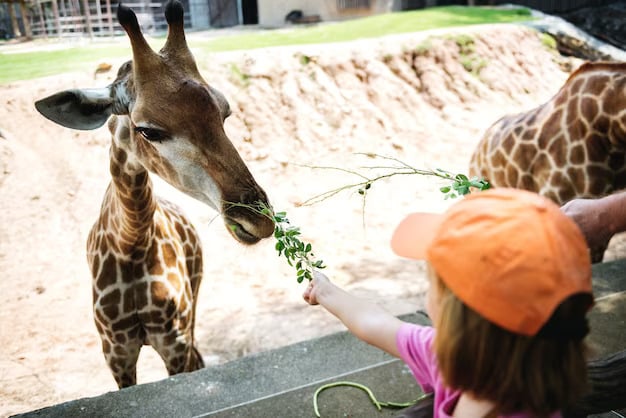
 Field trips are a fun way to bring learning out of the classroom. For Illinois child care programs, a good trip is safe, simple, and linked to what children are already learning. This article shares many ideas and clear steps you can use right away. Why it matters: when children visit real places they grow their curiosity, language, social skills, and confidence. Field trips help turn lessons into memories and make learning stick.
Early note: state requirements vary - check your state licensing agency. Also remember to get written parent permission and plan for transportation and adult-to-child ratios.
What are safe, budget-friendly field trip ideas in Illinois?
Here are practical, low-cost destinations that work well for infants, toddlers, and preschoolers. Each idea is easy to adapt for urban or rural programs.
🟢 Local parks and forest preserves — great for short nature walks, scavenger hunts, and sensory play. Use IDNR resources like ENTICE for nature-based lesson ideas.
🐾 Zoos and wildlife centers — choose child-friendly spots and short visits. For planning ideas, see ChildCareEd’s Illinois field trip ideas.
🎨 Children’s museums and art centers — look for preschool workshops and hands-on exhibits. ChildCareEd outlines arts and outing links in their field trip guides here.
🚒 Community helper visits — fire stations, police stations, or post offices are short, familiar, and free. These teach roles in the community and build social skills.
🔧 Local industry or special sites — e.g., the Caterpillar Visitors Center in Peoria offers group rates and interactive exhibits for young children.
🌽 Farms and farmers markets — seasonal, sensory-rich visits that support lessons about food, plants, and animals.
📚 Libraries and storytimes — free, quiet, and perfect for short outings tied to literacy goals.
Tip: Mix one longer destination with several short, local trips across the year. For more ideas and developmentally-appropriate choices, see ChildCareEd’s roundup of field trip ideas here. Keep your goals simple: short, supervised, and sensory-rich visits help young learners the most.
How do I plan and keep children safe during Illinois field trips?
Safety starts with planning and clear rules. Follow these steps to protect children and follow Illinois rules. For full DCFS rules about transport and permissions, read the ChildCareEd summary of Illinois transportation regulations here.
📋 Get written parent permission that lists date, destination, times, and method of transport. DCFS requires specific written consent for trips.
🧭 Plan adult roles and ratios before you leave. Assign staff to counting, medication, first aid, and lead roles. Remember that ratios on vehicles may need extra adults. The DCFS guidance explains when additional adults are required.
🚗 Check transportation: vehicle maintenance, insurance, and child safety restraints matter. ChildCareEd’s Transportation and Field Trip Safety Buy Now $25.00 training walks through vehicle checks and seat rules.
🔎 Do a pre-visit when possible to note toilets, fences, first-aid locations, and safe routes. A quick site check reduces surprises on the day of the trip.
📞 Carry emergency contacts, health info, and a charged phone. Keep a printed roster and a staff checklist for head counts at all transitions.
🧯 Follow local safety rules: check building/fire rules for group visits and consult the Illinois Fire Marshal daycare requirements if needed here.
📝 Train staff in post-trip vehicle sweeps and active supervision. ChildCareEd resources like Active Supervision on Buses Buy Now $0.00 are very practical.
🔁 Review and revise after each trip. Note what worked and what needs changing for next time.
Remember: state requirements vary - check your state licensing agency, and use approved training such as ChildCareEd’s Enriching Education: Field Trips  Buy Now $16.00 to document staff learning and stay compliant.
How can field trips connect to learning and be developmentally appropriate?
Field trips are more powerful when they match children's ages and link to classroom goals. Use simple steps before, during, and after the trip to deepen learning.
🔎 Before the trip: introduce the place with a book, photos, or a short talk. Use simple words and ask what children expect to see. This builds vocabulary and calm expectations.
🎒 During the trip: keep activities short and sensory. Use a scavenger hunt or checklist for preschoolers (see ChildCareEd’s scavenger hunt Buy Now $0.00 idea adapted for outings). Ask open questions like, "What do you hear?" or "What colors do you see?"
✍️ After the trip: reflect with drawings, photos, or a class book. Projects like the Birds and Their Nests study show how repeated observation and representation deepen understanding (Birds and Their Nests).
Examples of learning goals by age:
- 🙂 Infants/toddlers: sensory exploration and language (name sounds, textures).
- 🧒 Preschoolers: observation skills, new words, social routines, and simple counting.
- 👦 School-age: cause-effect, deeper questions, and recording observations (see research on children’s zoo photos for age differences in attention) here.
To make trips inclusive, communicate early with families, plan accommodations for mobility or allergies, and choose shorter trips for mixed-age groups. ChildCareEd’s curriculum and field trip trainings help you plan age-appropriate learning and keep safety first (training) Buy Now $16.00.
What are common mistakes and how can I avoid them on Illinois field trips?
Many problems can be avoided with clear checklists and practice. Here are common mistakes and simple fixes.
❌ Mistake: Not getting specific written permission. Fix: Use a form that lists date, times, destination, and transport. DCFS requires detailed consent — see the ChildCareEd summary here.
❌ Mistake: Poor staff assignment and missing roles. Fix: Assign counting, first-aid, and medication staff before departure and give a short pre-trip briefing.
❌ Mistake: Forgetting seat restraints or vehicle checks. Fix: Inspect vehicles and secure proper child restraints; train staff with ChildCareEd’s transportation Buy Now $10.00 courses.
❌ Mistake: Too-long visits for young children. Fix: Keep visits short, plan breaks, and choose one focused activity.
❌ Mistake: Overlooking special needs or allergies. Fix: Review each child’s health form, plan accommodations, and bring needed medication and snacks.
❌ Mistake: No post-trip reflection. Fix: Debrief with staff and children to capture learning and improve next trips; use a simple checklist from ChildCareEd’s Field Trip Planning guide.
Quick checklist for your clipboard:
- Written permissions and emergency contacts
- Staff assignments and ratios
- Vehicle inspection and child restraints
- First-aid kit, water, and medications
- Simple learning goal and materials (paper, crayons, camera)
- Post-trip reflection plan
Use trainings like ChildCareEd’s Transportation and Field Trip Safety Buy Now $25.00 and Enriching Education: Field Trips Buy Now $16.00 to reinforce staff skills and reduce mistakes.
Conclusion
Field trips in Illinois can be safe, fun, and full of learning when you pick age-appropriate sites, plan for safety, and connect outings to classroom goals. Use local resources and trainings to help you stay compliant and confident. state requirements vary - check your state licensing agency.
FAQ
Q: How far should a preschool trip be?
A: Keep it short — under 30–45 minutes travel if possible for young children.
Q: Do I need special vehicle insurance?
A: Check your center policy and DCFS rules. ChildCareEd’s transportation resources explain vehicle and insurance requirements.
Q: Can volunteers drive children?
A: If you use non-center vehicles, verify driver qualifications, vehicle safety, and child restraint rules. Many centers prefer contracted buses to reduce risk.
Q: How do I include children with special needs?
A: Plan accommodations in advance, communicate with families, and assign a staff member to support that child.
For more tools and Illinois-specific guidance, visit ChildCareEd’s field trip resources and trainings linked through this article. Happy planning — your next trip can be safe, simple, and a big learning moment for the children you care for.
- Appropriate Precautions in Transportation of Children
- Transportation and Field Trip Safety
- Emergent Learning & Development
- Birth to Five CDA Credential with Portfolio Review
- Transportation and Field Trip Safety in the Early Childhood Environment
- Key Elements of an After School Program
- Creating Environments that Nurture Growth and Community
- Enriching Education: Field Trips
- Every Moment Matters: Schedules and Transitions
- Las Mejores Ideas de Excursiones para Guarderías en Dakota del Norte
- Las Mejores Ideas de Excursiones para Guarderías en Texas
- Las Mejores Ideas de Excursiones para Guarderías en Georgia
- Best Daycare Field Trip Ideas in Wisconsin
- Best Daycare Field Trip Ideas in North Carolina
- Best Daycare Field Trip Ideas in Virginia
- What California children’s museums best support hands-on preschool learning?
- Which Georgia Parks and Nature Centers Are Best for Preschool Field Trip Adventures?
- Summer Field Trips for Daycares in Georgia
- Summer Field Trips for Daycares in Nevada
- Summer Field Trips for Daycares in Texas
- Summer Field Trips for Daycares in Wisconsin
- Summer Field Trips for Daycares in Maryland
- Summer Field Trips for Daycares in North Carolina
- Summer Field Trips for Daycares in Illinois
- Daycare Grants in Illinois for 2026: Funding Resources for Providers
- How can North Dakota providers celebrate America’s 250th in age-appropriate ways?
- In-House Field Trips for Kids: Fun Ideas for Daycare
- How can child care programs keep children safe during transportation?
- What are transportation safety basics every child care provider needs to know?
