 When new hires, aspiring #teachers, and #early-childhood professionals are ready to step confidently into the #workforce, they need more than inspiration — they need practical skills, professional confidence, and job-ready training.
At ChildCareEd, our Employee Readiness Training collection is designed to help early childhood professionals stand out, step up, and succeed from day one.
Get everything you need in one comprehensive package. Our Child Care Employee Readiness Bundle combines essential professional #development courses designed to prepare you for workplace success — all at a bundled value price.
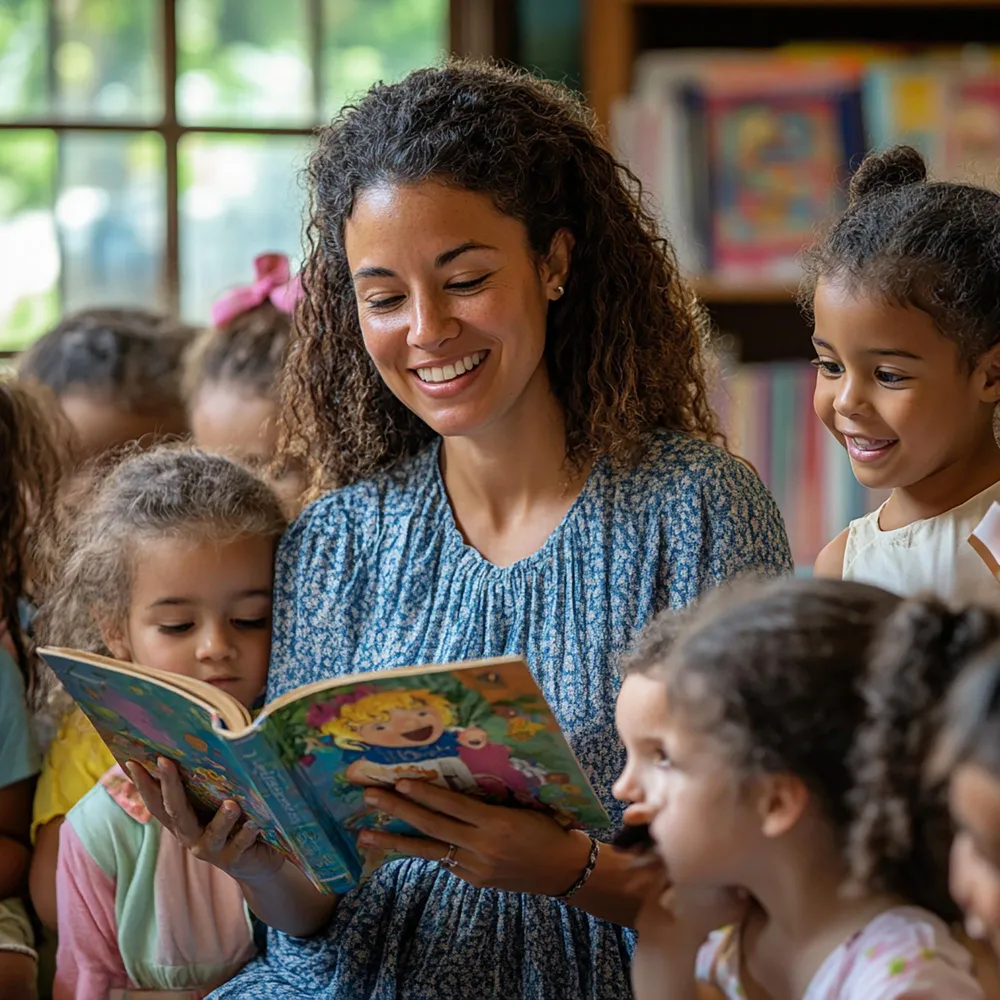
Employee readiness means being prepared to do your job well from the first day. In child care, this is very important. Children need safe, caring, and skilled adults around them at all times. When staff members are ready, children learn more, families feel confident, and programs run smoothly.
Below, we answer common questions about employee readiness and how you can build it in your child care program.
What Is Employee Readiness in Child Care?
Employee readiness is the ability to start work with the right:
- Knowledge
- Skills
- Attitude
- Training
- Professional behavior
A ready employee understands child development, follows safety rules, communicates clearly, and treats everyone with respect.
In early childhood settings, readiness is not just about knowing what to do. It is also about how you act. Children watch adults closely. Families trust you with their most important treasure—their child.
Why Is Employee Readiness Important?
Employee readiness keeps children safe and helps programs succeed.
Here is why it matters:
- Safety: Staff must know how to prevent accidents and respond to emergencies.
- Quality Care: Trained staff #support learning and #healthy development.
- Family Trust: Families feel comfortable when staff are professional and prepared.
- Teamwork: Ready employees work well with others.
- Confidence: Employees feel less stress when they know what to do.
When employees are not ready, mistakes happen. This can lead to confusion, safety risks, and unhappy families.
What Skills Should Child Care Employees Have?
A strong employee has both hard skills and soft skills.
Hard skills include:
- Understanding child development
- Knowing health and safety rules
- Recognizing signs of #abuse or #neglect
- Following licensing regulations
- Supporting children with diverse needs
This training helps staff learn how to recognize warning signs and report concerns correctly. This is a key part of readiness and child protection.

Soft skills include:
- Clear communication
- Patience
- Kindness
- Cultural #awareness
- Problem-solving
This training teaches staff how to speak clearly, listen well, and handle difficult conversations. Good communication builds strong teams and family relationships.

How Can New Employees Prepare for Their First Day?
Starting a new job can feel scary. Preparation helps reduce stress.
Here are simple steps new staff can take:
- Review program policies and procedures
- Learn daily schedules and #classroom routines
- Understand #emergency plans
- Ask questions when unsure
- Observe experienced teachers
This training is a helpful first step for new employees. It gives basic information about working in child care settings. It explains roles, responsibilities, and expectations in simple terms.

Programs can also support new hires by:
- Providing a mentor
- Offering a written handbook
- Scheduling check-in meetings
- Giving clear feedback
- Preparation builds confidence.
How Does Diversity and Inclusion Support Readiness?
Today’s #classrooms include children from many #cultures, #languages, and backgrounds. Staff must be ready to support all children.
Inclusive employees:
- Respect different cultures
- Use kind and welcoming language
- Avoid stereotypes
- Learn about families’ traditions
- Create inclusive learning spaces
This training helps employees understand how to create fair and welcoming classrooms. This training strengthens employee readiness by building awareness and respect.

When staff feel comfortable working with diverse groups, children feel safe and valued.
What Role Does Ongoing Training Play in Employee Readiness?
Employee readiness is not a one-time event. Learning should continue all year.
Ongoing training helps staff:
- Stay current with best practices
- Improve classroom management
- Build stronger relationships
- Learn new teaching strategies
- Meet state licensing requirements
Programs that invest in training show staff that #growth matters.
How Can Directors Build a Culture of Readiness?
Employee readiness is not just the employee’s responsibility. Leaders play an important role.
Directors can build readiness by:
- Setting clear expectations
- Offering regular training
- Providing supportive supervision
- Encouraging open communication
- Recognizing good work
A helpful tool for directors is the ChildCareEd resource Free Child Care Staff Evaluation Form. Buy Now $0.00 This resource helps #leaders review performance, set goals, and support improvement in a clear and fair way.
Regular evaluations are not about punishment. They are about growth.
What Are Common Barriers to Employee Readiness?
Sometimes employees struggle to feel ready. Common challenges include:
- Lack of training
- Poor communication
- High stress
- Language barriers
- Unclear expectations
Programs can reduce these barriers by:
- Using simple, clear language
- Providing written and visual instructions
- Offering translated materials when possible
- Creating a safe space for questions
What Does a “Ready” Employee Look Like Each Day?
A ready employee:
- Arrives on time
- Greets children warmly
- Follows safety procedures
- Communicates respectfully
- Stays calm during challenges
- Works cooperatively with coworkers
They are not perfect. Everyone makes mistakes. But a ready employee #learns from errors and asks for help when needed.
Readiness means being prepared, responsible, and willing to grow.
How Can You Start Improving Employee Readiness Today?
You do not need to change everything at once. Start small.
Try one or two of these steps:
- Enroll staff in 3 Hour Aide Orientation
 Buy Now $29.00
 - Provide Let’s Talk: Effective Communication Buy Now $24.00 training
- Offer Diversity, Equity, and Inclusion in Education Buy Now $16.00
- Ensure staff complete Abuse and Neglect: Signs and Reporting Buy Now $16.00
- Use the Child Care Employee Readiness bundle for complete support
- Download and use the Free Child Care Staff Evaluation Form Buy Now $0.00
- Small improvements lead to big results over time.
Employee readiness is the foundation of high-quality child care. When staff are trained, confident, and supported, everyone benefits—children, families, coworkers, and directors.
Strong preparation leads to #safer classrooms, better communication, and happier teams. By investing in the right training and creating a culture of growth, your program can build a team that is truly ready to make a difference every day.
- 45 Hour Child Growth and Development
- 45 Hour Preschool Methods and Materials
- 45 Hour School Age Methods and Materials
- 24 Hour Texas Pre-Service
- CDA Bridge Bundle: Family Child Care without Portfolio Review
- CDA Bridge Bundle: Infant/Toddler without Portfolio Review
- CDA Bridge Bundle: Preschool without Portfolio Review
- Building a Healthier Tomorrow: Preventing Childhood Obesity
- Balancing Active Play in Child Care
- How can Oklahoma child care providers prepare for licensing visits?
- How do I run an effective Child Care Employee Orientation?
- La mejor manera de hacer seguimiento a la capacitación de su equipo de daycare How to Organize Staff Training for Your Child Care Center Cómo organizar la capacitación del personal para su centro de cuidado infantil
- Cómo simplificar la capacitación para sus empleados de daycare
- How can Nevada providers turn staff files into inspection confidence?
- How Can I Prepare for a Licensing Visit With Confidence?
- How can child care programs reliably track and document their training hours?
- MyFlorida Child Care Training: How to Find Your Required DCF Courses
- What Daycare Certification Requirements Must You Complete Before You Can Start Working?
- Pediatric First Aid for Teachers: Are Your Skills Still Fresh When an Emergency Happens?
- Ready to Move Up? How You Can Go From Lead Teacher to Assistant Director
- Form 7250 Staff Training Record: Are Your Texas Training Files Ready for Licensing Review?
- Child Care Administration Course: Are You Ready to Manage Adults, Not Just Classrooms?
- Preschool Teacher Qualifications: What’s Required to Get Hired—and What Helps You Move Up?
- Pediatric First Aid for Teachers: Blended or In-Person—Which Should You Choose?
- Preschool Teacher Requirements in Florida: Do You Need a CDA, FCCPC, or College Degree?
- What Qualifications Do You Need to Be an Assistant Director at a Daycare?
- Which First Aid Course Do Child Care Providers Need for Licensing?
- What Do Child Care Licensing Inspectors Look For?
- How Do You Prepare for a Child Care Licensing Inspection?
