What Is Language Development in Young Children?
Language #development is how children learn to listen, understand, and use words to communicate with others. It starts from the first sounds a baby makes and grows into full sentences as children get older. These skills help children connect with #teachers, friends, and family as they grow. Understanding language milestones helps caregivers provide the right support at the right time. #LanguageDevelopment #EarlyChildhood #ChildCare
Language development is not only about talking. It includes understanding what others say, using gestures, making eye contact, and building everyday communication skills. Every child grows at their own pace, but there are general milestones we can expect at different ages.
What Are Language Milestones for Babies (0–12 Months)?
Babies begin to learn language from the day they are born. They listen to voices and sounds around them. You can watch for these changes:
Typical language progress: 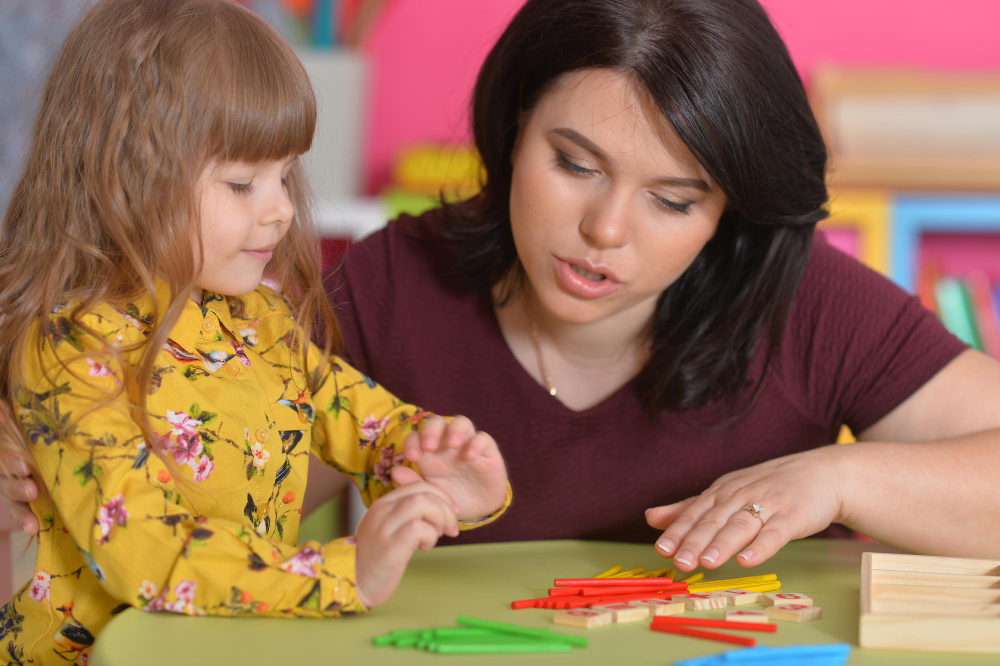
- 0–3 months: Babies make cooing sounds and calm when they hear voices.
- 4–6 months: They babble (“ba-ba,” “da-da”) and show excitement when hearing familiar voices.
- 7–12 months: Many babies understand simple words like “no” and “bye-bye.” They may say their first word around one year.
At this stage, children are building a foundation for understanding and speech. Even if a baby doesn’t say many words yet, listening, smiling, and responding helps them learn.
How Do Toddlers Develop Language (1–3 Years)?
Toddlers grow quickly in how they understand and use language. By supporting them with simple conversations and #play, caregivers can help build strong skills.
Common #toddler language milestones:
- 12–18 months: Many toddlers use a few words and can follow simple instructions like “give me the toy.”
- 18–24 months: Word lists grow, and toddlers often use two-word combinations (“more juice”).
- 2–3 years: Most toddlers use simple sentences (e.g., “I want cookie”) and can point to familiar objects when named.
During this period, children listen more, express wants and needs, and begin to feel confident speaking. Talking often, reading books, and repeating new words help toddlers practice and grow.
What Happens With Preschoolers (3–5 Years)?
As children enter the preschool years, their language skills become more advanced and expressive.
Preschool language #growth includes:
- Using longer sentences (4–6 words or more)
- Telling short stories
- Naming colors, shapes, and actions
- Asking many questions (“Why is the sky blue?”)
Preschoolers also begin reading readiness and early literacy skills, like recognizing letters and rhyming words. Their understanding and social communication also improve as they play and talk with others.
How Can Teachers Support Language Growth Every Day?
Children learn language best through everyday interactions. Simple routines and fun play build strong communication skills.
Try these practical strategies:
- Talk often: Describe what you are doing (“We are washing hands now”).
- Listen with interest: Get down to the child’s eye level and respond.
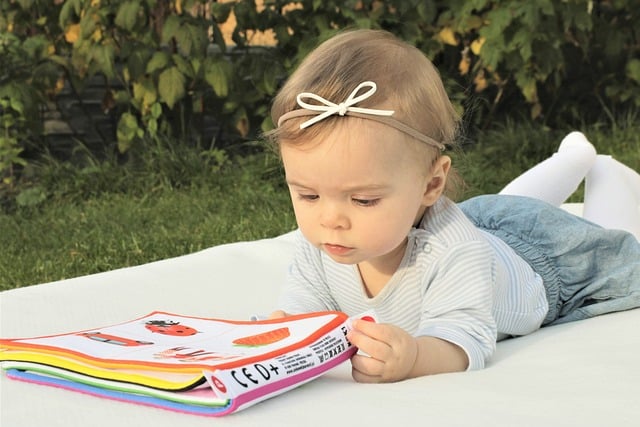
- Read daily: Choose books and talk about pictures and characters.
- Use songs and rhymes: Rhymes help children hear sounds and patterns in words.
- Encourage play talk: Narrate play (“You are building a big tower!”).
Every conversation is an opportunity to expand vocabulary and confidence.
What Training Can Help You Grow Your Skills?
Learning more about #language-development helps you support children better. ChildCareEd offers practical courses designed for caregivers and educators:
👉 Language Development in Early Childhood  Buy Now $16.00 — Learn how to support early language and communication skills in young children.
👉 Early Childhood Education Buy Now $99.00$84.00 — Builds a strong base in child development, including communication skills. (ChildCare Education)
👉 Developmental Screening in Early Childhood Buy Now $16.00 — Teaches how to track milestones and notice when children need extra support. (ChildCare Education)
These trainings give you tools and strategies you can use right away in classrooms or caregiving settings.
What Tools Can You Use to Support Language Growth?
Resources from ChildCareEd can help keep your work organized and focused.
👉 Language Modeling With Dual Language Learners Resource Buy Now $0.00 — This tool offers tips to support children who speak more than one language and help them build language skills effectively.
Using tools like this in combination with training makes daily language support easier and more effective.
How Can You Help Families Support Language at Home?
Families are children’s first and most important teachers. Encourage family participation by sharing simple tips.
Ideas for families:
- Read together every day
- Talk about daily routines (meal time, bath time)
- Sing favorite songs
- Repeat new words often
- Ask open-ended questions (“What did you see today?”)
When teachers and families work together, children get more language practice and confidence in many settings. 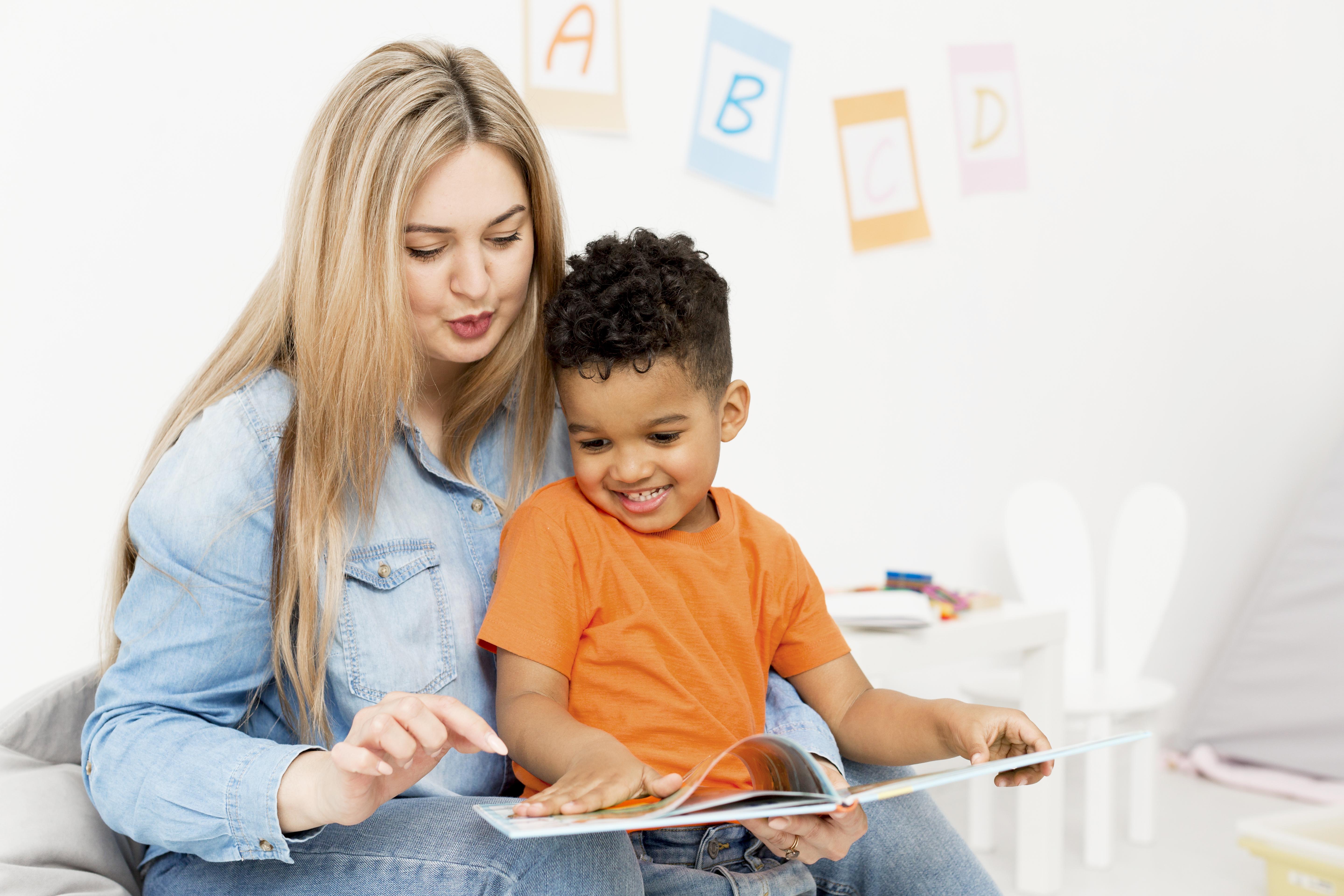
What Should You Know About Delays or Differences?
Not all children reach the same milestones at the same time. Some children may talk earlier, others later, and this can still be normal. Recognizing when a child may need extra help is important.
Signs to watch for include:
- Minimal babbling by 12–15 months
- Fewer than 10 words by 18 months
- Little interest in communication or social play
If concerns arise, communication with families and screening can help determine whether extra support is needed.
Where Can You Find More Tips and Support?
Follow ChildCareEd for daily ideas, training updates, and #classroom-activity tips:
👉 Follow on Facebook: — Stay connected with a community of educators sharing inspiration and support.
Final Thoughts
Language development is a powerful part of early learning. By understanding milestones and using everyday moments to talk, read, and play with children, teachers help build communication, confidence, and joy in learning.
- CDA Home Visitor Subject Area 3 Part 3 Birth to 5
- Language and Literacy Foundations in Pre-K
- Recognize, Respond, Respect: Supporting Diverse Learners
- CDA Bridge Bundle: Family Child Care without Portfolio Review
- CDA Bridge Bundle: Infant/Toddler without Portfolio Review
- CDA Bridge Bundle: Preschool without Portfolio Review
- Creating Environments that Nurture Growth and Community
- Language Development in Early Childhood
- Supporting Families and Caregivers in Language and Literacy
- Language Development in School Age
- Myth: Preschool's Just About Playing with the Kids
- Retraso del Habla en la Guardería: Cómo Pueden Ayudar los Proveedores
- How can child care providers best support language development in young children?
- How can child care programs best support infant and toddler development?
- How Do Early Language Skills Affect a Child's Success in School?
- How Can Child Care Providers Understand Typical and Atypical Child Development?
- How Does the Brain Develop During the First Five Years?
- What Should Child Care Providers Expect: Developmental Milestones From Birth to Five?
- What Is the Difference Between Early Childhood Education and Child Development?
- More Than ABCs and 123s: The Real Importance of Early Childhood Education
- How Can Child Care Providers Support Healthy Brain Development in Young Children?
- How Can Child Care Providers Recognize and Support Developmental Delays?
- How Can Child Care Providers Support Healthy Child Growth and Development?
- How Can Child Care Providers Support Infant and Toddler Development?
- What Developmental Milestones Should Teachers Know From Birth to Age 5?
- How Can Early Childhood Teachers Distinguish Typical from Atypical Development?
- What Are the Best Ways to Support a Child’s Speech Development?
- How Can Child Care Providers Understand and Support Speech and Language Development?
