What is National Random Acts of Kindness Day and why does it matter for child care?
National Random Acts of Kindness Day (observed in the U.S. on February 17) offers a practical opportunity for child care programs to foreground social and emotional learning (SEL) by intentionally designing moments when children practice empathy, prosocial behavior, and reciprocal helping. This article explains how early childhood professionals can use the day—and the principles behind it—to promote measurable growth in empathy and community-minded behavior. Consider previewing relevant staff development on compassion and SEL such as Brighter Futures: Social Emotional Development  Buy Now $16.00 and practical creative approaches in Open Heart, Open Art Buy Now $16.00 to support lesson design.
How can child care providers connect National Random Acts of Kindness Day to social and emotional objectives?
Programs that integrate kindness activities into their daily routines align with learning objectives for emotional competence, perspective-taking, and self-regulation. Start by naming the target skill (for example, taking another's perspective or offering help) and selecting a developmentally appropriate strategy that creates a predictable opportunity for practice. Integrate these steps into the classroom plan:
- Identify a clear learning goal (e.g., share materials, offer help, use supportive language).
- Design a brief, scaffolded activity with explicit teacher modeling.
- Use consistent language and prompts so children can generalize the behavior.
- Measure informal outcomes (observations, quick checklists) and reflect in staff meetings.
What specific activities teach kindness to young children?
Here are practical activities, each adaptable to infants through preschool age when adjusted for attention and motor skills:
- Model & narrate: Teachers narrate acts of kindness they perform for children and others—"I will help Sarah pick up the blocks because she looks frustrated."
- Kindness exchanges: Pair children for simple cooperative tasks (passing materials, drawing cards with compliments) to practice reciprocal phrases.
- Community helper projects: Create a class project to make cards or simple craft donations for a local shelter or senior center; this helps children connect acts to community impact.
- Emotion coaching: Use brief role-play to name feelings and practice supportive responses, tying each scenario to a concrete helping action.
For concrete curricula and evidence-based approaches to structure these activities, consider the CDA Subject Area 3 Buy Now $80.00 training (supporting social and emotional development) which provides guidance for scaffolding, positive guidance, and documentation.
How can programs create a short lesson plan for the day that yields lasting change?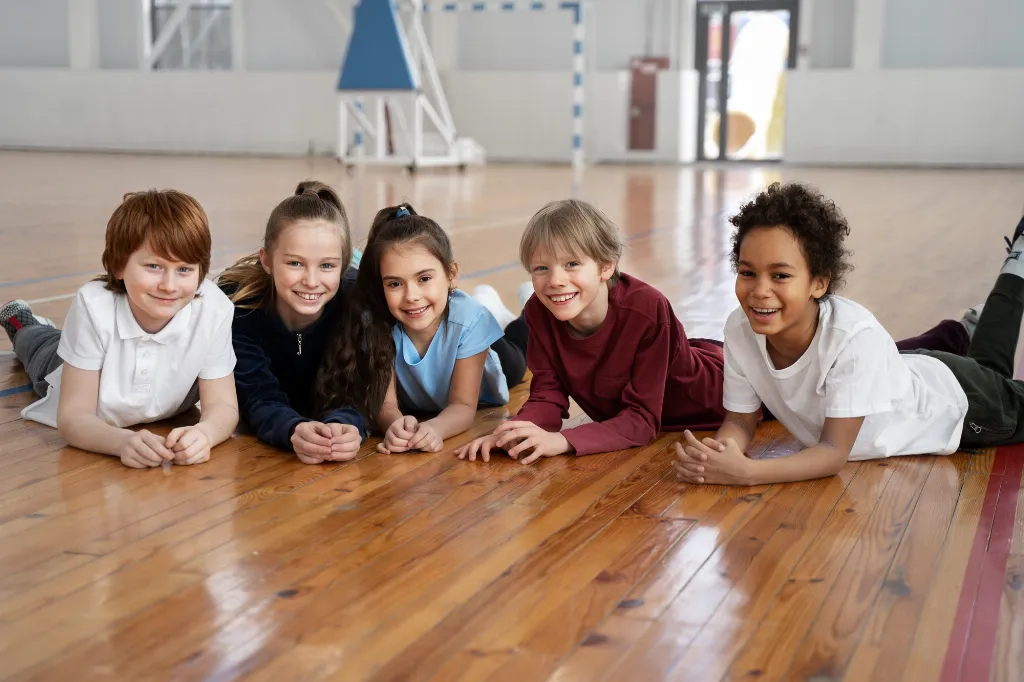
Create a five-step micro-plan that fits into existing schedules and builds continuity beyond a single day:
- Start with a 5-minute circle where the teacher names the focus skill and models one example.
- Provide a 10–15 minute activity (paired work, art exchange, or cooperative game) that elicits the target behavior.
- Incorporate a reflection routine: 1–2 questions for children to answer with gestures or words (e.g., "Whom did you help? How did it make you feel?").
- Document: take a photo or brief observation note for each child showing evidence of practice.
- Follow up over the week with short reminders and reinforcement so the skill is repeated and generalized.
Embed internal professional development resources for staff: link classroom strategies to readings or in-house training hours and plan a brief post-activity reflection in the daily or weekly staff meeting.
How should programs measure impact and communicate with families?
Measurement can be simple and pragmatic. Use a short observational rubric (e.g., 0 = no attempt, 1 = attempts with adult prompt, 2 = independent prosocial behavior) to record each child's participation. Share outcomes with families using one or two sent-home examples (a photo and a sentence describing the child's act) and suggest a simple home routine for reinforcement. Linking classroom practice to family partnerships strengthens generalization of skills.
Further ChildcareED reading: The following internal articles include activities and curriculum ideas that pair well with a kindness-focused plan:
- Helping Children Learn Kindness, Empathy, and Belonging
- How Can We Teach Children the Value of Kindness Through Everyday Moments?
- How Can You Create a Classroom That Teaches Kindness Without a Lesson Plan?
- Nurturing Hearts: Helping Children Grow with Kindness and Care
- Which activities and routines best help children develop empathy, self-regulation, and resilience?
- How Can Early Childhood Educators Teach Gratitude in Authentic, Age‑Appropriate Ways?
What are quick tips for teachers to sustain kindness practice beyond the day?
1) Use consistent language and rituals (a greeting, a helper role of the day), 2) schedule short practice routines into transitions, 3) model adult prosocial behavior publicly, and 4) document and share progress with families. Small, repeated practices are more powerful than single events.
Summary: What should child care professionals take away from this day?
National Random Acts of Kindness Day is a prompt—not an endpoint. When staff intentionally connect the day to explicit learning goals, scaffolded practice, and simple measurement, it becomes a catalyst for sustained SEL growth. Use the internal articles and courses linked above to design age-appropriate activities, train staff, and partner with families. Small, repeated opportunities for helping, perspective-taking, and supportive language produce reliable gains in empathy and classroom climate.
Hashtags: #kindness #empathy #SEL #play #gratitude
References
Editor note: This article currently lacks outbound credible references (university, state licensing agency, national organization, government/public-health source, or peer-reviewed evidence). Policy requires adding 1–3 verified external references to document (1) the date and observance of National Random Acts of Kindness Day, and (2) the evidence base for using targeted SEL practices in early childhood settings. Please insert 2–3 vetted references here (with full inline links) such as a state childcare licensing guidance, a university or research brief on SEL, or a national organization's guidance (for example, NAEYC, CASEL, CDC). Do not add external URLs until they have been fetched/validated in the references workflow.
- Including All Children and the Americans with Disabilities Act
- Pediatric RSV First Aid & CPR/AED
- Balance Act: Teacher & Child ONLINE
- CDA Bridge Bundle: Family Child Care without Portfolio Review
- CDA Bridge Bundle: Infant/Toddler without Portfolio Review
- CDA Bridge Bundle: Preschool without Portfolio Review
- Emergent Learning & Development
- Brighter Futures: Social Emotional Development
- Texas Director Credential
- The Right Kind of Influence for Young Children
- Gift of Gratitude: Fostering Emotional Intelligence in Children through Acts of Kindness
- ¿Cuáles son las mejores actividades del Día de la Tierra para niños en casa o en el aula?
- Cómo Celebrar el Día Nacional del Kindergarten
- Lista para Guardería en Casa en Illinois: Cómo Iniciar una Guardería en el Hogar
- Temas y Actividades para el Día Nacional del Kindergarten para Proveedores
- Cómo Trabajar en el Cuidado Infantil en Virginia: Requisitos y Pasos
- Las Mejores Ideas de Excursiones para Guarderías en Dakota del Norte
- How can rainy day indoor activities help preschoolers learn kindness and cooperation in Georgia?
- Best Friends Day: Helping Children Learn Kindness and Friendship
- Celebrando la amistad en el cuidado infantil durante el Día de los Mejores Amigos
- Diversión fresca de verano: actividades del Día Nacional del Helado para niños
- Nurturing Hearts: Helping Children Grow with Kindness and Care
- What Do Superheroes Teach Kids About Kindness and Courage?
- How can we teach kindness and friendship in our classroom?
- How Can We Teach Children the Value of Kindness Through Everyday Moments?
- How Can You Create a Classroom That Teaches Kindness Without a Lesson Plan?
- Mawlid Around the World: How Kids Can Explore Different Traditions and Celebrations
- Rosh Hashanah Kindergarten Lesson Plans: 5 Days of Apples, Kindness, and New Beginnings
- How Can Kindness Challenges Strengthen Classroom Community?
- How Can Early Childhood Programs Introduce Juneteenth in Developmentally Appropriate Ways?
