Toilet learning is not about reaching a certain age—it is about recognizing when a toddler is physically, emotionally, and developmentally ready. ChildCareEd’s free Potty Training Readiness Checklist Buy Now $0.00 gives parents and teachers a practical way to observe readiness signs, compare notes, and decide whether a child is ready to begin, needs more practice, or would benefit from additional time.
Educators can also strengthen their approach with ChildCareEd’s Every Moment Matters: Schedules and Transitions  Buy Now $55.00 self-paced online course. The training explores how predictable schedules, supportive routines, and smoother transitions can help children feel safe and confident—important foundations for successful toilet learning.
In this article, parents, teachers, and caregivers will learn which readiness cues to watch for, how to communicate consistently between home and school, and how to create a respectful toilet-learning plan that follows each toddler’s individual pace.
How can adults tell if a toddler is showing real signs of #readiness?
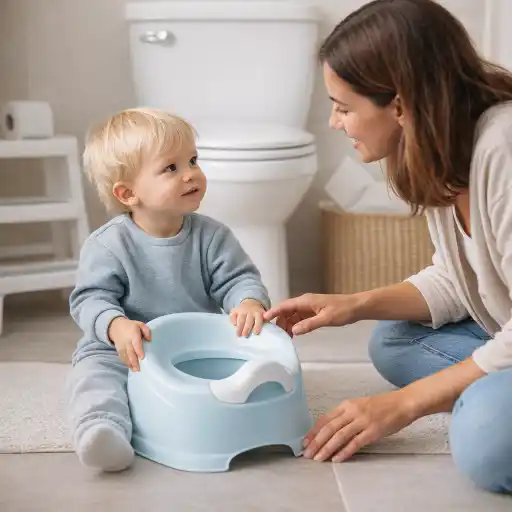
Adults—both #parents and #teachers—should watch for clusters of observable behaviors rather than one single “proof.” Evidence-based guides (e.g., Nemours KidsHealth) list common indicators; the CDC also links language and self-help milestones to toileting cues (Nemours, CDC summary).
- Physical readiness
- Stays dry for longer stretches (1–2 hours or during a nap).
- Can walk, sit, and pull pants up/down independently.
- Communication skills
- Uses words, gestures, or signs to indicate need; follows simple directions.
- Emotional and behavioral signs
- Shows interest in the bathroom or wanting “big kid” underwear; not distressed by the process.
- Awareness and control
- Recognizes or tells when diaper is wet/soiled; can pause activities to go.
Tip: look for a cluster of signs over several days rather than a single event. ChildCareEd’s readiness checklist Buy Now $0.00 is a quick tool for teams.
What should a practical toddler toilet readiness checklist include?
A simple, shareable checklist helps parents and staff stay consistent. Use an easy form that both home and program can update. A recommended checklist contains:
- Core readiness items:
- Stays dry for 1–2 hours
- Pulls pants up/down
- Follows one-step directions
- Communicates needs (words/gestures)
- Behavioral observations:
- Interest in bathroom or watching peers
- Discomfort with soiled diaper
- Typical times when accidents happen
- Practical logistics:
- Availability of extra clothes at program
- Type of seat (potty chair, toilet insert, step stool)
- Plan for outings (spare clothes, timing, stops)
- Communication plan (who, how often):
- Daily note, app update, or quick staff-parent huddle
Use a short one-page format so staff actually use it in busy days. See ChildCareEd’s classroom guidance on beginning practices (Beginning Potty Training Practices).
How do we build a calm, consistent toilet routine at home and in child care?
Consistency and predictability are the backbone of successful toilet learning. Research and clinical practice recommend scheduled opportunities tied to natural rhythms (after waking, 20–30 minutes after meals) and gradual fading of prompts (evidence-based tips).
For practical, classroom- and home-ready techniques that expand on these strategies, see Ideas and Suggestions for Parents and Providers in Potty Training.
- Set a shared schedule
- 🚽 Offer potty sits on a predictable schedule: after waking, after meals, and every 30–60 minutes initially.
- Prepare the environment
- ✨ Have a child-size seat or secure adapter and a step stool; keep wipes, extra underwear, and a change of clothes handy.
- Use simple, consistent language
- Agree on short phrases across settings (e.g., “potty time,” “do you feel your body?”).
- Reinforce gently and immediately
- ✅ Praise efforts and small successes; if you use incentives, keep them modest and consistent.
Tip for programs: include the potty schedule in daily sheets or your communication app so families see the same routine. For practical classroom approaches, review ChildCareEd’s teacher-focused posts and tools (Beginning Potty Training Practices).
How should adults handle accidents, communicate with families, and support each child’s pace?
Accidents are expected. The adult response determines whether a child feels shame or safety. Best practices emphasize neutral language, swift cleaning, and problem-solving rather than punishment (Toilet Teaching Without Tears, ChildCareEd guidance).
- Immediate response
- 🙌 Stay calm, remove the child from the activity with a neutral phrase (e.g., “Oh—wet. Let’s get dry and try next time”), change clothes privately, and clean the area.
- Follow-up communication
- 📣 Share facts with families: time, context, and what you tried. Highlight strengths and small wins. If progress stalls, use ChildCareEd’s article on respectful family conversations (How Do I Talk to Parents...).
- Individual pacing and support
- 🔁 Offer regular opportunities but never coerce. If a child resists, pause and revisit later. Consistent, low-pressure exposure reduces anxiety and often restarts progress.
When to seek help: if toileting regressions persist, or medical concerns (constipation, pain) appear, suggest pediatric follow-up. For program policies, check local regulations (for example, daycare hygiene and diapering standards in your state—see resources such as Illinois standards for reference: Diapering and Toileting Standards in Illinois).
How can teams avoid common mistakes and support long-term success?
Common mistakes are often about timing, pressure, and inconsistent messaging. Avoiding these improves outcomes significantly. Practical tips below come from clinical evidence, parenting resources, and early childhood best practices (research summary, BCBA tips).
- Top mistakes to avoid
- ⚠️ Rushing before readiness — starting too early often prolongs the process.
- ⚠️ Reacting with anger or shame — this increases anxiety and resistance.
- ⚠️ Using inconsistent signals across caregivers — mixed messages confuse toddlers.
- How to avoid pitfalls
- ✅ Use a shared checklist and brief handoff notes between home and program.
- ✅ Agree on neutral scripts for accidents and a simple reward approach (if used).
- ✅ Schedule check-ins: weekly for active training; monthly if progress is slower.
FAQ:
- How long does toilet learning take? Often weeks to months; nighttime dryness usually takes longer.
- Should programs refuse children who aren’t trained? Practices vary; many programs accept children and support readiness—clarify enrollment policies and share consistent plans with families.
- Are rewards necessary? Not required—rewards can help short-term motivation but keep them small and predictable.
- When to consult a doctor? If there’s pain, constipation, or no progress by age 4, or if you suspect a medical issue.
Final encouragement: respect each child’s timeline, keep communication short and factual, and celebrate small steps. For classroom tools and printable checklists, see ChildCareEd’s free Potty Training Readiness Checklist Buy Now $0.00 and related posts (Beginning Potty Training Practices, Potty Training is No Joke!). Remember: every child learns at their own pace—your steady, shame-free support matters more than any deadline.
- 45 Hour Child Growth and Development
- CDA Infant/Toddler Credential
- Birth to Five CDA Credential with Portfolio Review
- 45 Hour Infant and Toddler Methods and Materials
- CDA Infant/Toddler Credential with Portfolio Review
- Baby Steps to Milestones
- CDA Bridge Bundle: Infant/Toddler without Portfolio Review
- CDA Bridge Bundle: Infant/Toddler
- 45-Hour Infant and Toddler Curriculum
- 😅❌ ¿Cómo Puedo Manejar a un Niño que Dice “¡NO!” a Todo en el Aula?
- Cómo Abrir Una Quardería En Casa Sin Dinero?
- Proceso CDA: Entrenamiento, Portafolio, Examen y Visita de Verificació
- Cómo usar tu certificación de 90 horas en Maryland para completar tu CDA
- 45 horas para infantes y niños pequeños: cómo certificarse en línea
- ¿Qué es la Certificación de 90 Horas para Cuidado Infantil en Maryland?
- ¿Cuáles son los pasos, requisitos y opciones en línea para la certificación de 90 horas en cuidado de Infantes/Toddlers en Maryland?
- ¿Cómo empiezo mi certificación CDA en Florida en línea?
- Cómo Crear Tu Portafolio CDA Paso a Paso
- Cómo Celebrar el Día Nacional del Kindergarten
- Apoyo en Preescolar para Retrasos del Habla: Estrategias Simples que Ayudan
- Consejos de Supervisión Activa para Salones de Preescolar y el Juego al Aire Libre
- Retraso del Habla en la Guardería: Cómo Pueden Ayudar los Proveedores
- How can we prepare preschoolers for kindergarten success?
- Kindergarten Readiness Checklist for Preschool Teachers and Parents
- What Kindergarten Readiness Skills Do Children Need?
- Toddler Toilet Readiness Checklist for Parents and Teachers
- How to Know When a Child Is Ready for Toilet Training
